

 English
 عربى
عربى
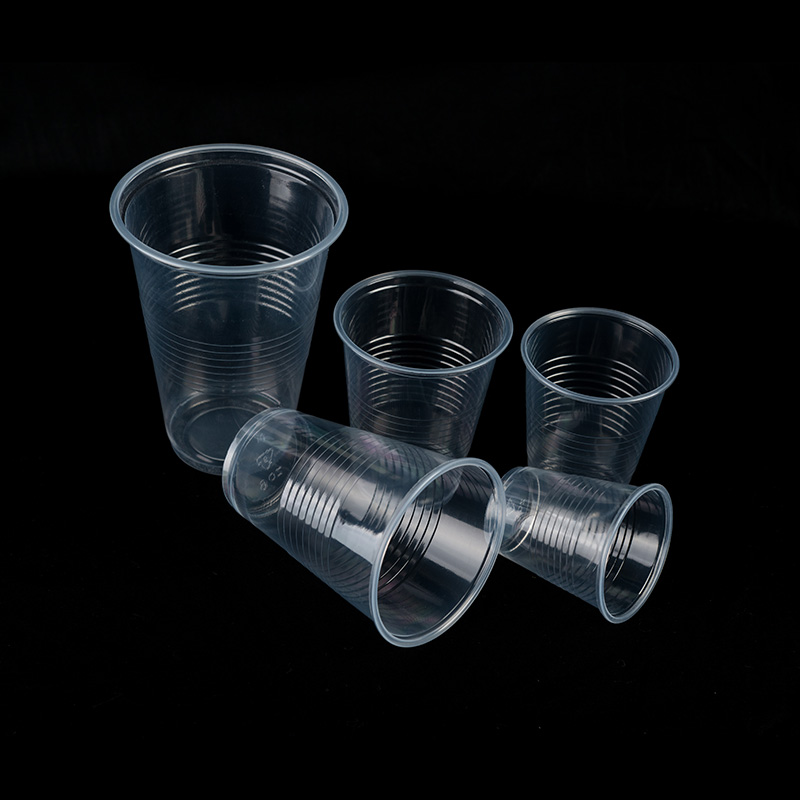
Plastic beverage cups continue to play a significant role in global food and drink markets. Coffee shops and juice bars, stadium events and quick-service restaurants all rely on plastic beverage cups to deliver a practical solution that serves cold and blended drinks in fast-paced environments. Their lightweight structure supports efficient storage and transport, helping businesses manage inventory during peak seasons.
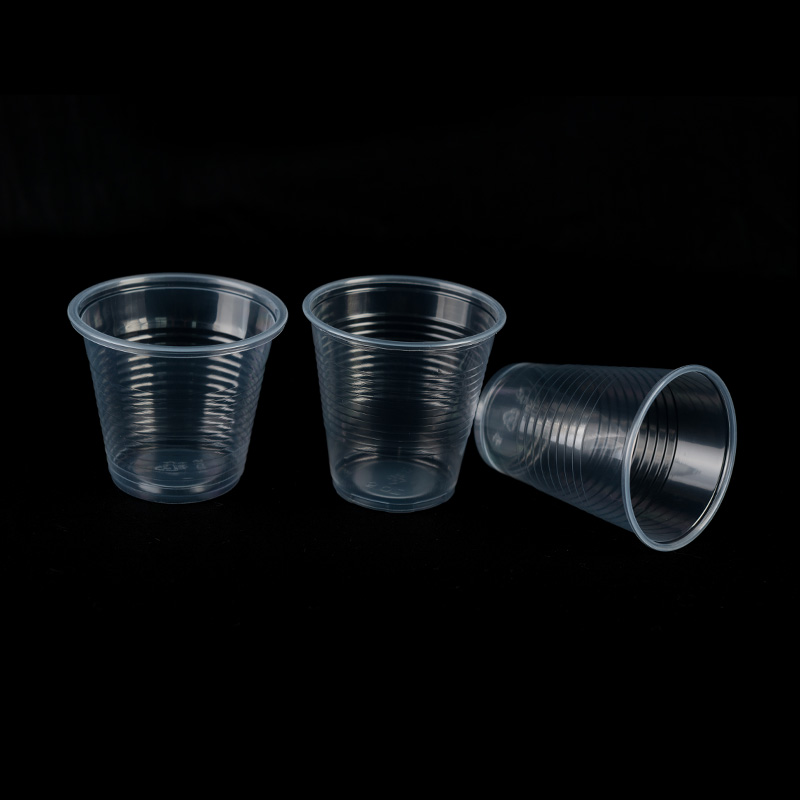
Manufacturers of plastic beverage cups are responding to changes in consumer behavior. Custom printing, improved lid designs, and enhanced clarity are now common features. Clear cup walls allow beverages to become part of the visual experience, especially colorful smoothies, layered iced coffees, and fruit teas. This visual appeal supports branding strategies for beverage chains aiming to create a recognizable image on social media platforms.
Material innovation has also influenced the development of plastic beverage cups. Lightweight polypropylene and PET materials are widely used due to their durability and resistance to cracking. Producers are refining resin blends to reduce overall material usage without sacrificing structural strength. Thinner yet stable cup walls help lower transportation weight, which may reduce fuel consumption during distribution. Such adjustments reflect ongoing efforts within the packaging industry to balance efficiency and environmental responsibility.
Recycling initiatives are increasingly connected to plastic beverage cups. Many municipalities have expanded collection systems for recyclable plastics, encouraging proper disposal practices. Beverage retailers are experimenting with recycling symbols and clear labeling on cup surfaces to guide consumers. In some markets, recycled content is being incorporated into new production batches, reflecting circular economy principles. These efforts demonstrate that plastic beverage cups can participate in broader sustainability frameworks when supported by infrastructure and public awareness.
Food safety standards remain central to production processes. Plastic beverage cups intended for food contact undergo testing to ensure compliance with regulatory requirements. Temperature resistance, leak prevention, and lid compatibility are key performance factors. Cups designed to prevent spills during transport help maintain product quality and reduce waste. Manufacturers also conduct durability checks under different storage conditions to confirm structural stability. Clear documentation and traceability systems support quality management, giving food service operators greater confidence in daily operations and long-term supply consistency.
E-commerce has also influenced packaging trends. Bulk purchasing of plastic beverage cups through online distribution channels allows small cafés and event organizers to access consistent supply without complex procurement systems. Digital platforms enable manufacturers to present detailed specifications, including capacity, material type, and packaging quantity. This transparency simplifies purchasing decisions for business owners seeking dependable drink containers.
Seasonal marketing campaigns further contribute to market activity. Limited-edition graphics printed on plastic beverage cups create opportunities for brand storytelling. Holiday themes, promotional events, and collaborations between beverage brands and entertainment franchises often rely on cup design as a communication tool. Such customization strengthens customer engagement and enhances the overall consumption experience.
Looking ahead, the plastic beverage cups sector is expected to continue adapting to regulatory shifts and consumer expectations. Research into bio-based plastics and improved recycling technologies may influence future production strategies. At the same time, convenience and affordability remain central drivers in food service operations. Plastic beverage cups offer a balance of practicality, visual presentation, and logistical efficiency that supports diverse beverage formats.