

 English
 عربى
عربى
Plastic Graduate Cup Remains a Reliable Measuring Tool
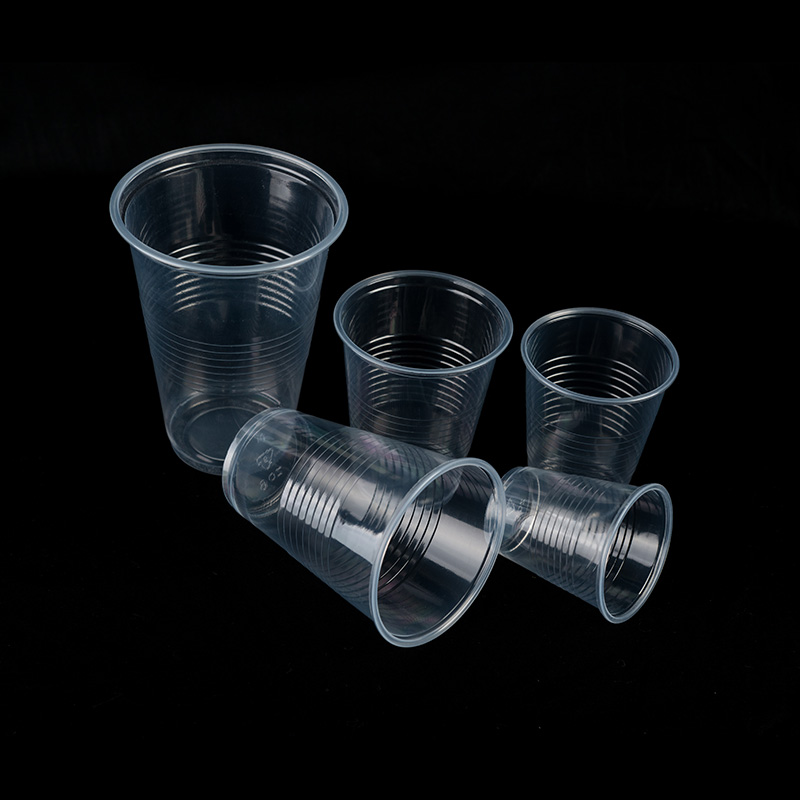
Plastic graduate cup products are widely used wherever accurate liquid measurement is required. Known for clear markings and straightforward construction, these cups support controlled pouring in both professional and everyday environments. While often associated with laboratories and classrooms, plastic graduate cup usage now extends into healthcare, food preparation, manufacturing, and household tasks.
Their continued use reflects the importance of simple tools that deliver clarity and consistency. Clear shapes, readable scales, and stable bases help users focus on tasks rather than equipment handling. Familiar form reduces hesitation, supports repeated use, and improves confidence during routine measurement activities across different working settings.
Clear Markings Support Accurate Measurement
The defining feature of a plastic graduate cup is its measurement scale. Markings are designed to remain visible after repeated use, helping users reduce reading errors when working with small volumes. Clear graduations are especially important in tasks where precision affects results.
Scales are commonly printed in milliliters and ounces, allowing the cups to support multiple standards. Even spacing between markings improves repeatability and supports consistent measurement practices. Additional features such as contrasting colors, bold lines at key intervals, and easy-to-read numbers further enhance visibility. These elements allow users to pour accurately and maintain efficiency across repeated tasks without unnecessary adjustments or delays.
Lightweight Structure and Daily Convenience
Plastic graduate cups are valued for their lightweight design. Compared with glass alternatives, plastic versions are easier to handle and less likely to cause disruption if dropped. This makes them suitable for training environments, clinics, and production areas where safety and efficiency are priorities.
Many cups include a pouring spout that enables controlled liquid transfer. This feature reduces spills and supports accuracy during step-by-step procedures. Smooth surfaces and wide bases further enhance stability during use. Users can complete multiple measurements quickly without fatigue, and consistent form allows easy stacking and storage, keeping workspaces organized and reducing interruptions during busy operations.
Applications Across Multiple Fields
Plastic graduate cup products are used across a wide range of fields. In healthcare settings, they assist with measuring liquid medications. In food-related environments, they support portioning, mixing, and preparation tasks. Cleaning and maintenance operations also rely on them for diluting solutions accurately.
Educational institutions use plastic graduate cups to introduce students to measurement concepts. The approachable design helps learners focus on understanding volume relationships rather than handling fragile equipment.
Design Improvements and Material Choices
Manufacturers continue to refine plastic graduate cup design. Adjustments to wall thickness improve durability, while stable bases reduce tipping. Transparent materials enhance visibility, allowing users to read measurements from multiple angles.
Materials such as polypropylene are commonly selected for resistance to chemicals and repeated washing. Smooth interior surfaces support easy cleaning and help prevent residue buildup. Rounded edges and reinforced rims increase handling comfort, and graduated markings resist fading. Consistent dimensions across batches allow cups to fit neatly into storage racks, reducing clutter and ensuring rapid access during busy tasks.
Standardization Supports Consistent Results
Standardization plays a key role in the widespread use of plastic graduate cup products. Uniform shapes and consistent scales allow multiple users to follow the same procedures with predictable results. This is especially useful in training programs and routine operations.
Standardized tools simplify replacement and inventory management, allowing organizations to maintain consistency without additional instruction or adjustment.