

 English
 عربى
عربى
Plastic party cups remain a familiar part of celebrations, outdoor activities, catering services, and casual dining environments. From birthday parties and music festivals to office gatherings and sporting events, these lightweight cups continue to serve practical needs while adapting to changing consumer expectations. Manufacturers are now focusing on material development, improved durability, visual design, and recycling compatibility as the market evolves alongside new lifestyle trends.
One reason plastic party cups continue to attract attention is their convenience during large events. Organizers often need beverage containers that are easy to transport, stack, and distribute quickly. Plastic cups reduce the challenges associated with fragile drinkware and help simplify cleanup after gatherings. Their lightweight structure also supports efficient logistics during shipping and storage, which is especially useful for event suppliers and retailers handling high-volume orders.
In recent years, customization has become an important direction for plastic party cups. Businesses, event planners, and private consumers increasingly seek printed designs that match themes, branding campaigns, or seasonal occasions. Advanced printing technologies now allow manufacturers to apply detailed logos, colorful graphics, and textured finishes to cup surfaces with improved consistency. This trend has expanded the use of plastic party cups beyond simple beverage containers into decorative elements that contribute to event presentation.
Consumer preferences are also influencing material choices within the industry. Recyclable plastics and reusable cup designs are becoming more common in response to environmental discussions surrounding disposable products. Some manufacturers are exploring polypropylene and PET materials that can support recycling systems in selected regions. Others are introducing thicker reusable party cups intended for repeated use at family events, restaurants, and entertainment venues. These developments reflect growing interest in balancing convenience with long-term resource management.
Outdoor activities continue to support demand for plastic party cups as well. Camping trips, picnics, beach gatherings, and backyard celebrations often require beverage containers that can withstand movement and changing weather conditions. Plastic cups are less likely to break during transportation or accidental drops, making them suitable for active environments. In addition, many modern designs include reinforced rims and textured surfaces that improve grip and handling.
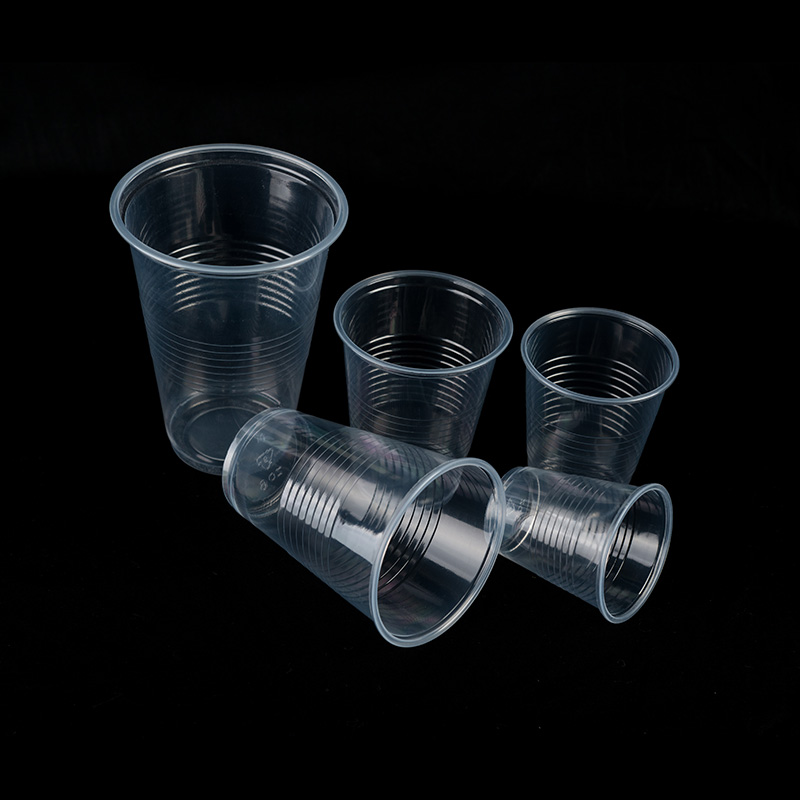
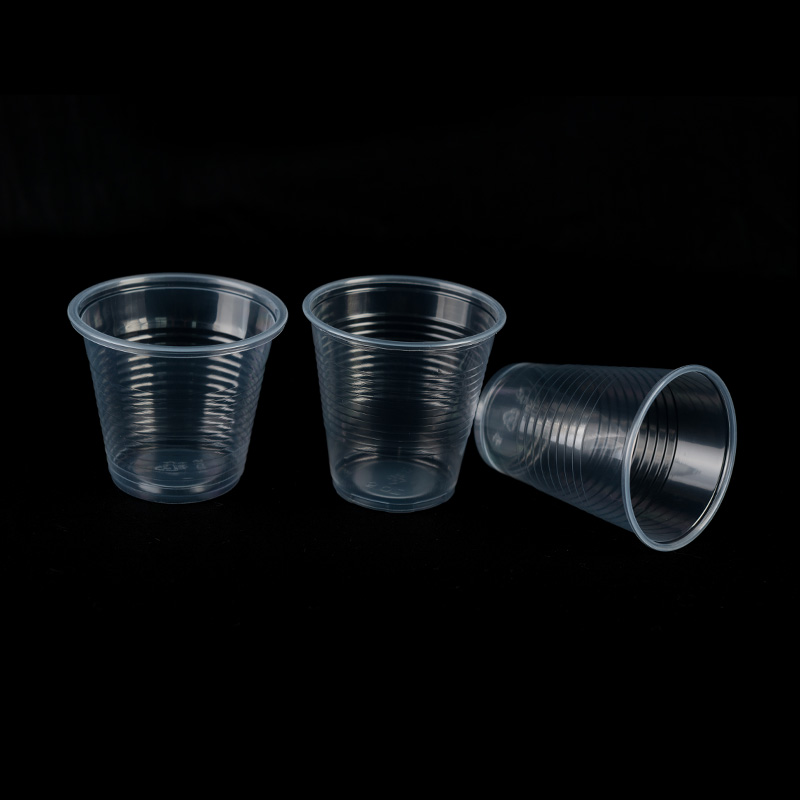
Foodservice operators are also adapting plastic party cups for broader beverage applications. Cold brew coffee, fruit tea, smoothies, soft drinks, and layered desserts are frequently served in transparent plastic cups that allow consumers to see colors and textures clearly. Visual presentation has become increasingly important in social media-driven dining culture, where customers often share photos of drinks and desserts online. Clear plastic party cups can help businesses highlight ingredients, decorative toppings, and layered beverage effects in a visually engaging way.
Manufacturing technology is playing a larger role in the development of plastic party cups. Precision molding systems now support more consistent wall thickness and shape accuracy during production. Automated inspection equipment can help manufacturers reduce defects while maintaining stable output levels. Some factories are also integrating energy-saving systems into production lines to improve operational efficiency and reduce material waste during manufacturing processes.
Color trends are evolving alongside broader design movements in home entertainment and event styling. Neutral tones, translucent finishes, pastel shades, and metallic accents are appearing more frequently in plastic party cup collections. Manufacturers are responding to consumer interest in coordinated table settings that combine disposable convenience with visually appealing presentation. This shift has helped plastic cups move into more decorative event spaces where appearance plays a stronger role.