

 English
 عربى

Small Packaging, Practical Food Service Needs
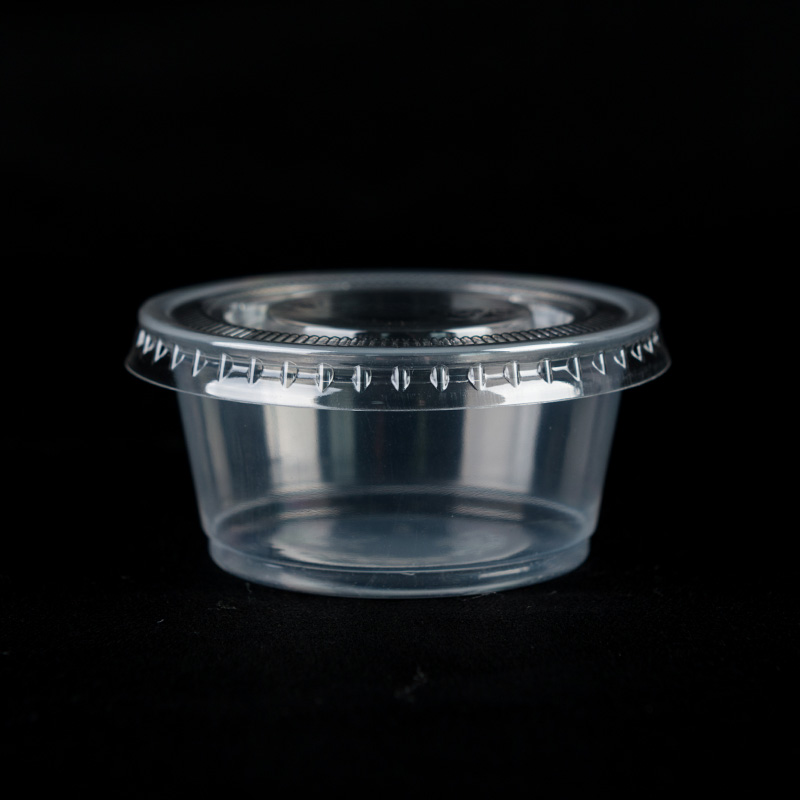
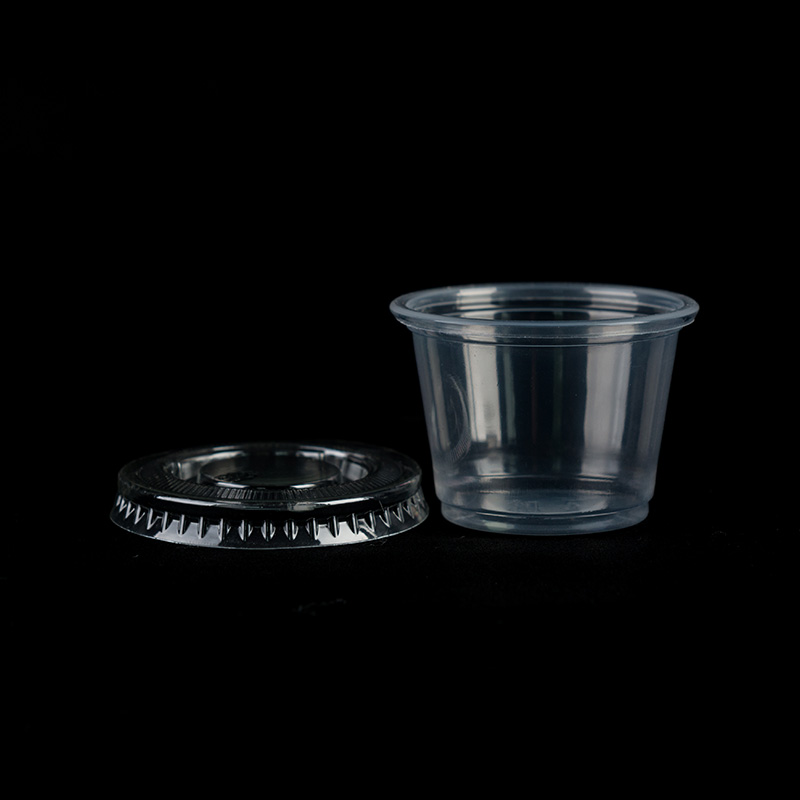
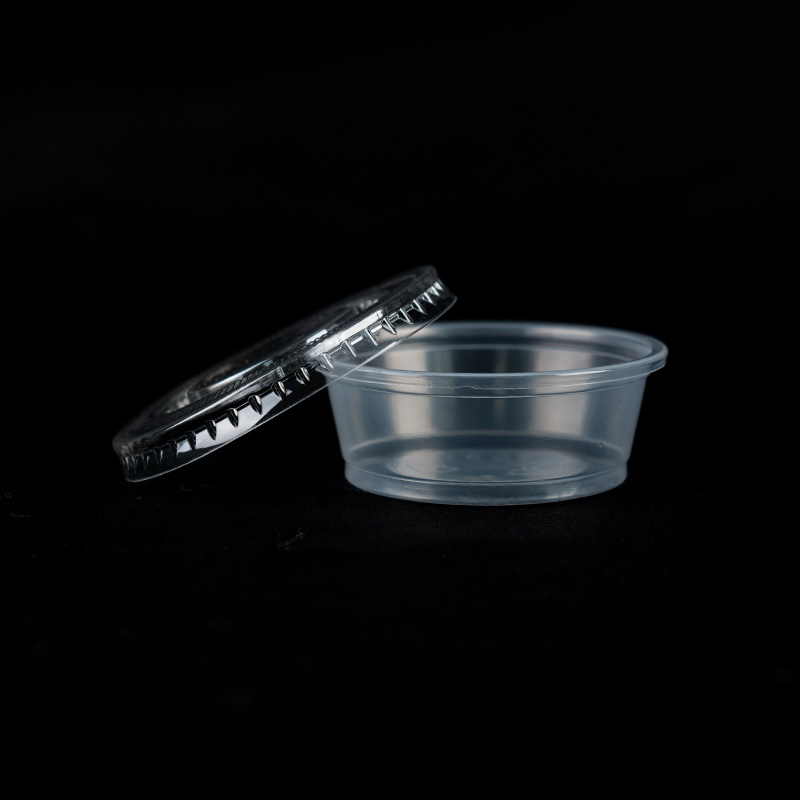
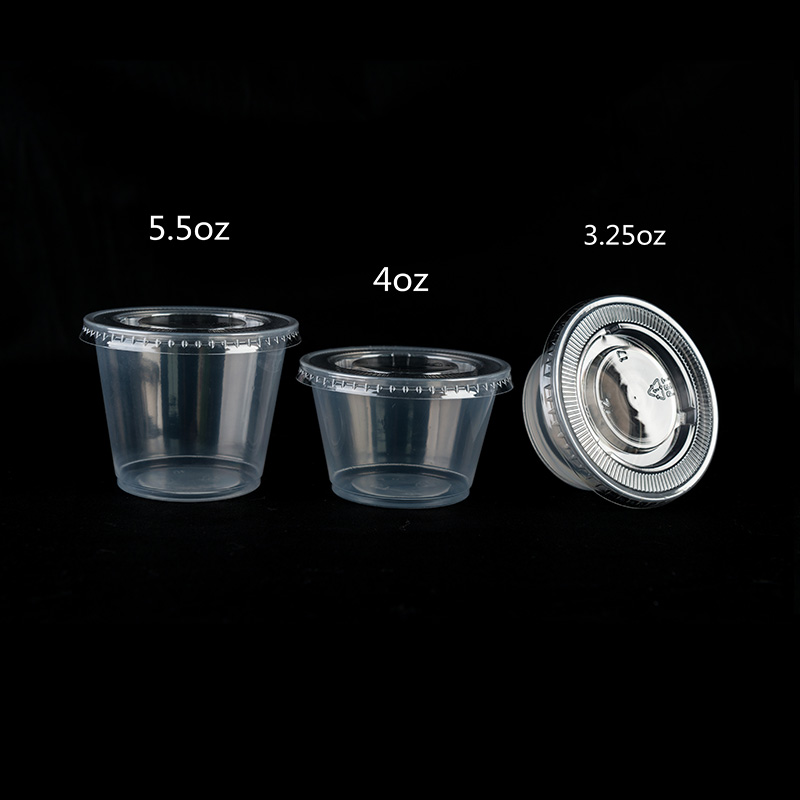
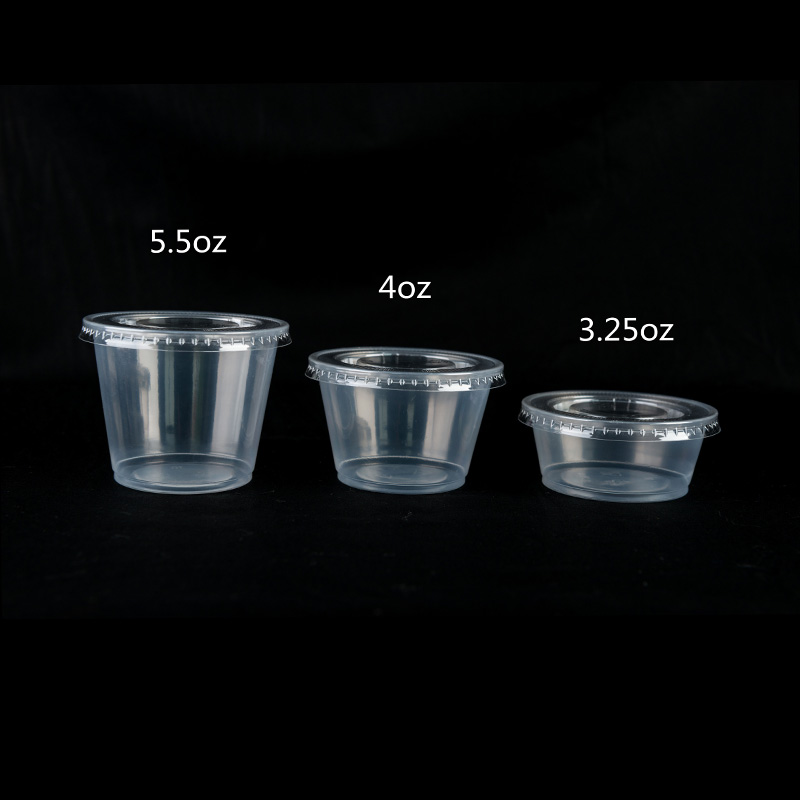
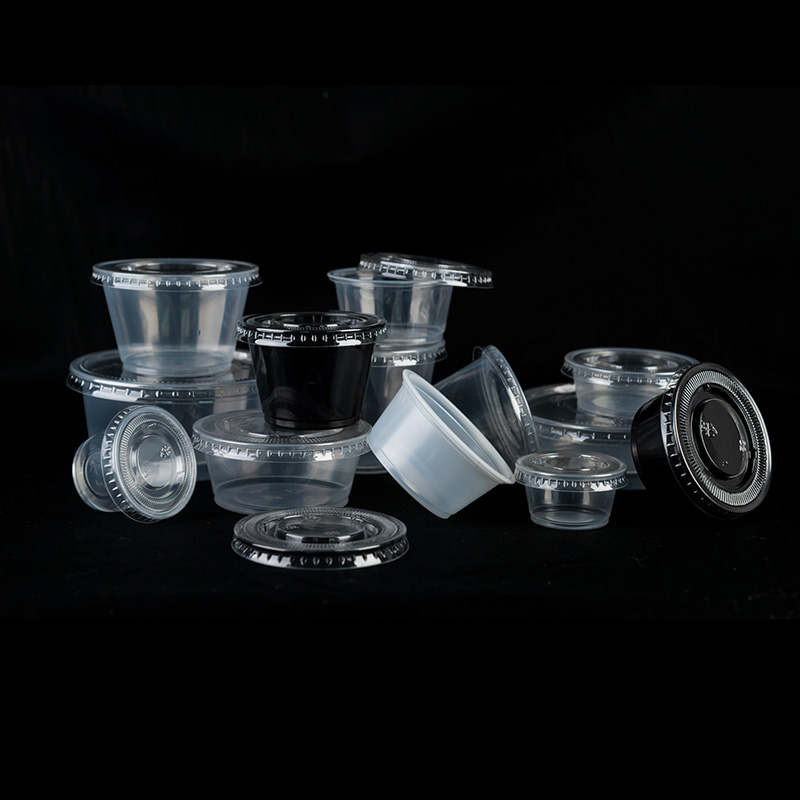
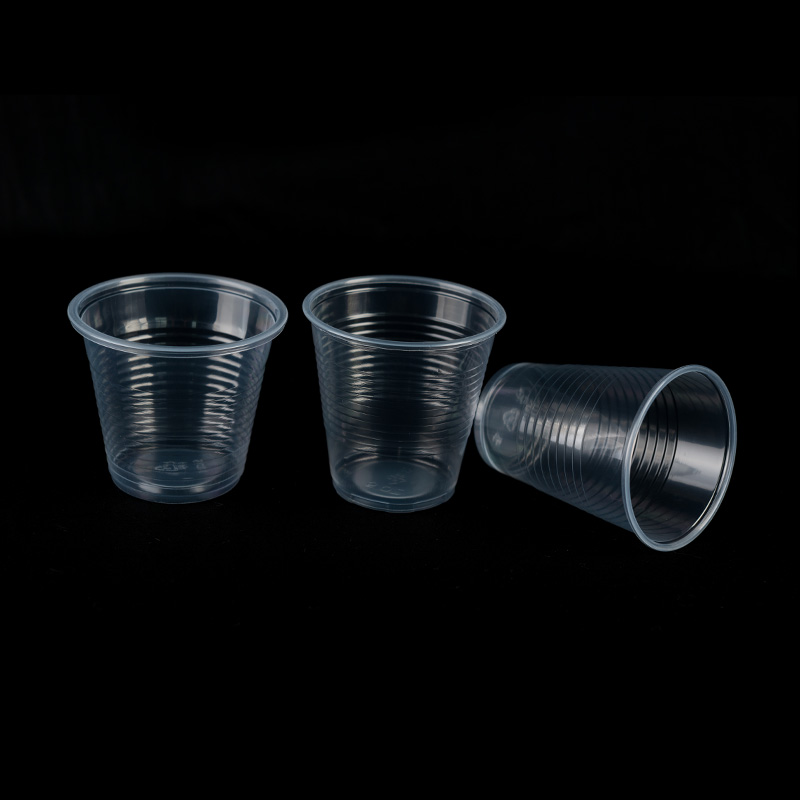
Small food containers play an important role in restaurants, takeaway businesses, catering operations, and packaged food distribution. Sauces, dressings, dips, and condiments often need separate packaging to keep them organized and easy to serve. A Plastic Sauce cup provides a simple way to portion these products without mixing them directly with the main meal.
For food packaging manufacturers and international buyers, this small container represents more than a basic serving accessory. Its capacity, shape, material, lid compatibility, and stacking design can influence how food businesses organize their daily operations. Understanding these details helps distributors, importers, and food packaging suppliers identify products that match different commercial applications.
Material Choices and Their Practical Differences
Plastic is widely used for small condiment containers because it can be processed into different shapes, sizes, and wall thicknesses. Depending on the intended application, manufacturers may work with materials such as polypropylene (PP) or polyethylene terephthalate (PET).
PP is commonly used for containers that require flexibility and practical handling. It can be formed into lightweight cups with different capacities and rim structures. PET, on the other hand, is often selected when product visibility is important. Its transparent appearance allows customers and food service staff to identify the contents without opening the container.
Material selection also affects the appearance and functional characteristics of the finished packaging. For example, clear containers are suitable for colorful sauces and dressings, while opaque options can provide a different visual presentation for restaurant or catering brands.
When purchasing a Plastic Sauce cup, buyers should consider the relationship between the material, the type of condiment, and the intended serving method. This approach helps businesses select packaging that fits their product range.
How Manufacturing Shapes the Final Product
The manufacturing process begins with raw material preparation. Plastic resin is processed according to the selected production method, followed by forming, shaping, and cooling. For many small food containers, thermoforming and injection molding are commonly used production techniques.
Thermoforming involves heating a plastic sheet until it becomes flexible. The material is then shaped using a mold and formed into individual containers. This method is suitable for producing lightweight packaging in various sizes and designs.
Injection molding uses heated plastic material that is injected into a mold cavity. After cooling, the formed product is released. This process allows manufacturers to produce containers with specific structural details and consistent shapes.
Mold design plays an important role in determining the container's dimensions, rim structure, base shape, and stacking characteristics. Manufacturers may also adjust the design according to customer requirements, including capacity, transparency, color, and packaging specifications.
Customization Creates More Packaging Options
Different food service businesses have different branding and portioning requirements. Manufacturers may offer customization options for container dimensions, colors, shapes, and surface printing, depending on their equipment and production capabilities.
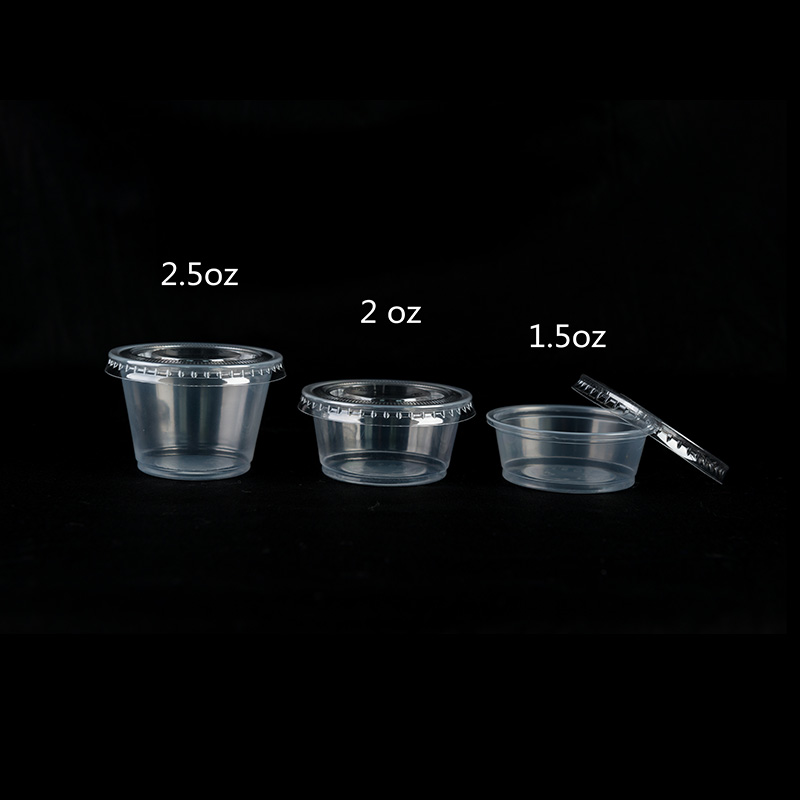
For private-label brands, customized packaging can help create a consistent visual identity across different condiment products. Restaurant supply distributors may also prefer several capacity options within one product range to serve customers with different requirements.
A Plastic Sauce cup can therefore be developed as part of a broader food packaging solution rather than treated as an isolated product. By discussing mold designs, material preferences, and lid configurations with manufacturers, buyers can identify packaging combinations suited to their target markets.