

 English
 عربى

Why Does Container Shape Matter?
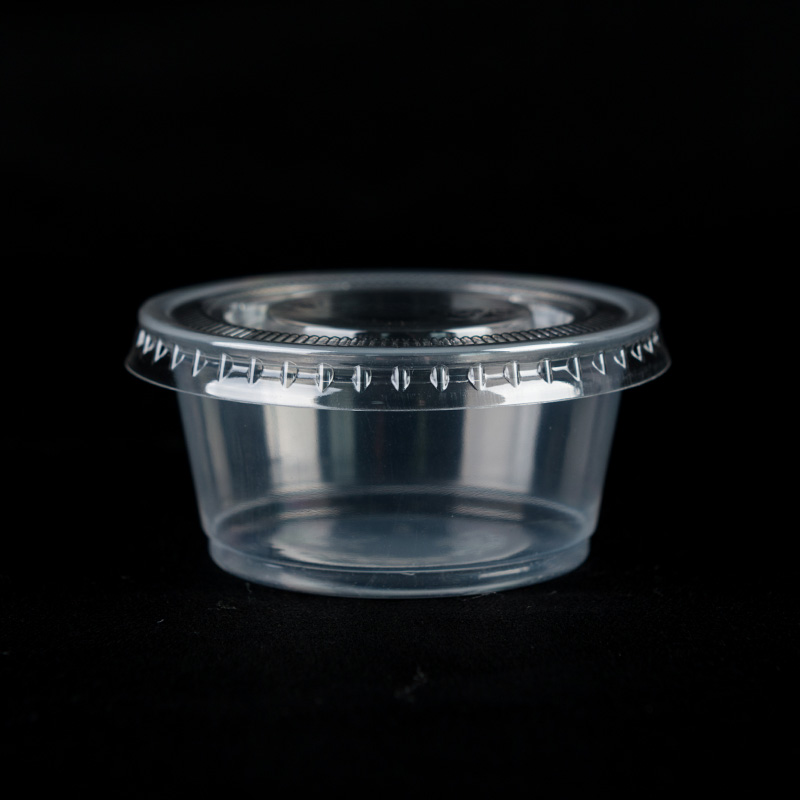
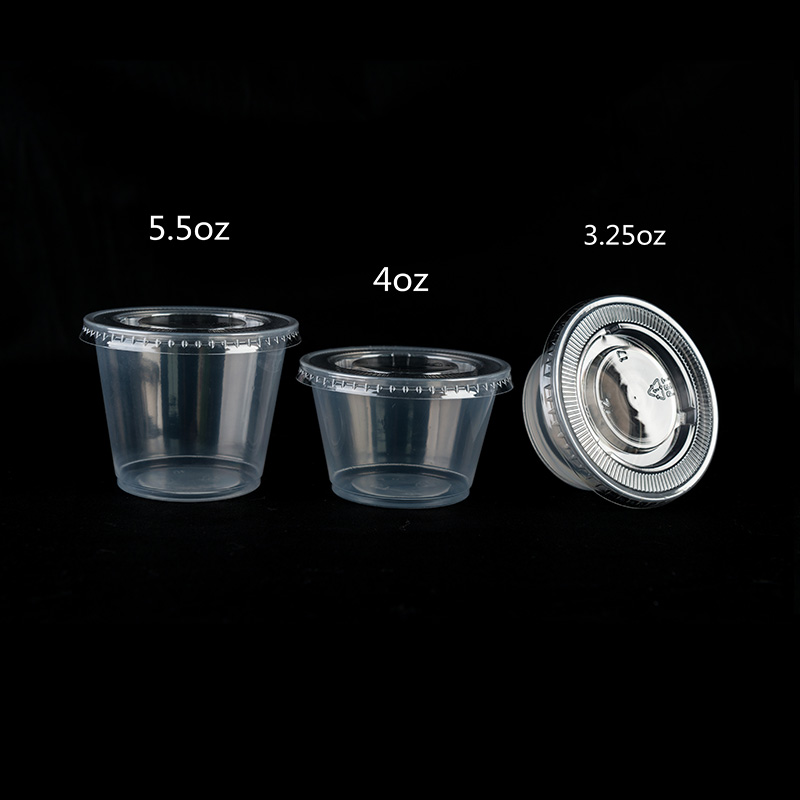
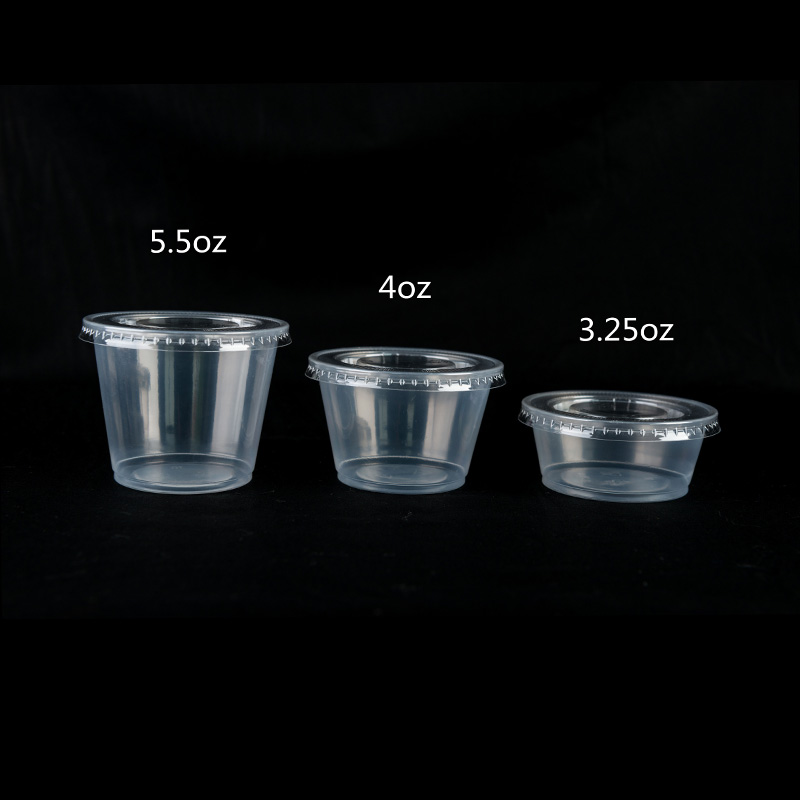
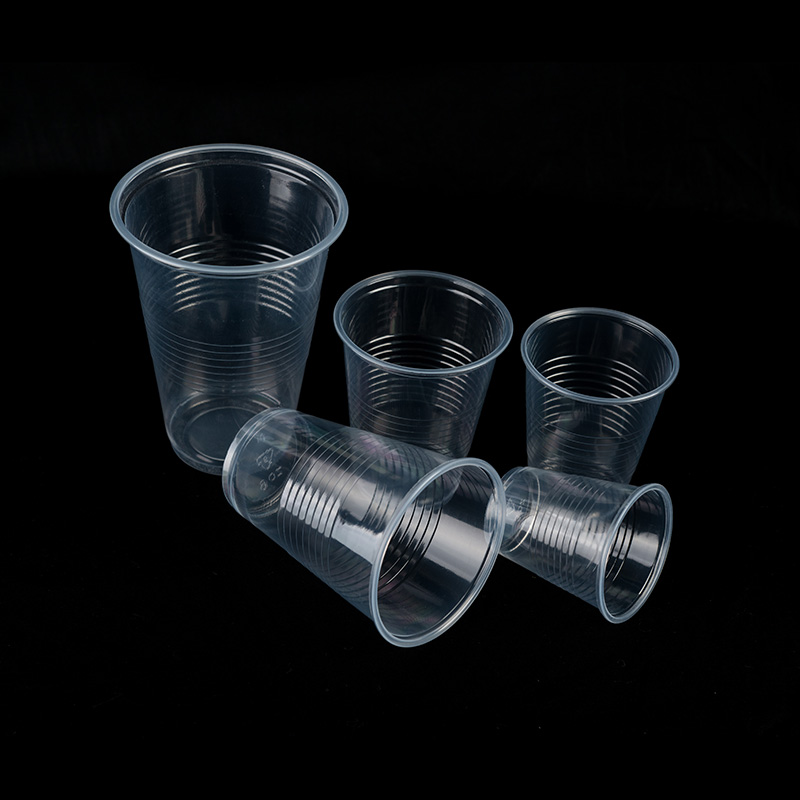
Packaging design affects how products are stored, transported, displayed, and used. A round plastic container is a common choice for businesses that need practical packaging for food ingredients, household products, personal care items, and industrial materials. Its curved shape provides a familiar appearance, while different sizes, lid styles, and plastic materials allow manufacturers to adapt the container to specific applications.
Unlike square or rectangular packaging, a round container has no sharp corners along its main body. This shape can make it convenient to handle and suitable for products that need to be scooped, poured, or removed by hand. For manufacturers and packaging distributors, selecting the right container involves more than appearance. Capacity, opening size, wall structure, and closure design all affect how the package performs during daily use.
Common Materials Used in Round Plastic Containers
Plastic selection depends on the product being packed and the conditions in which the container will be used. Different materials offer different combinations of flexibility, rigidity, transparency, and impact resistance.
- Polypropylene (PP): Often used for food tubs, ingredient containers, and household packaging. It offers a balance of rigidity and flexibility.
- Polyethylene (PE): Used in containers that benefit from flexibility and resistance to impact.
- Polyethylene terephthalate (PET): Suitable for applications where product visibility matters, such as displaying certain foods or retail goods.
Material selection should consider the contents, filling process, expected handling conditions, and intended storage environment. For example, a transparent container may help customers identify the contents quickly, while an opaque design can provide a different visual presentation for retail packaging.
How Do Lid Design and Opening Size Affect Use?
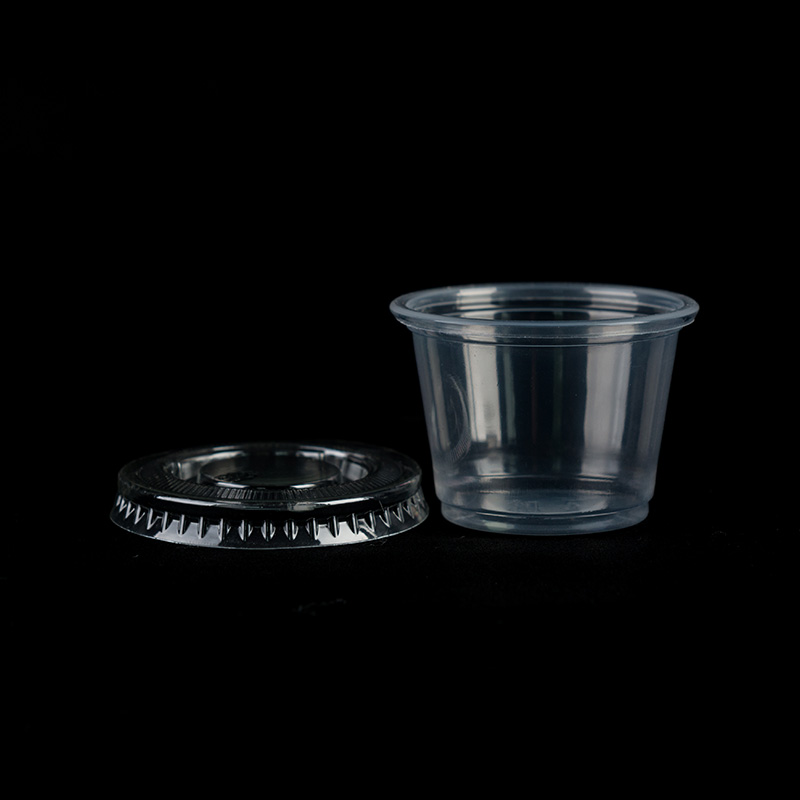
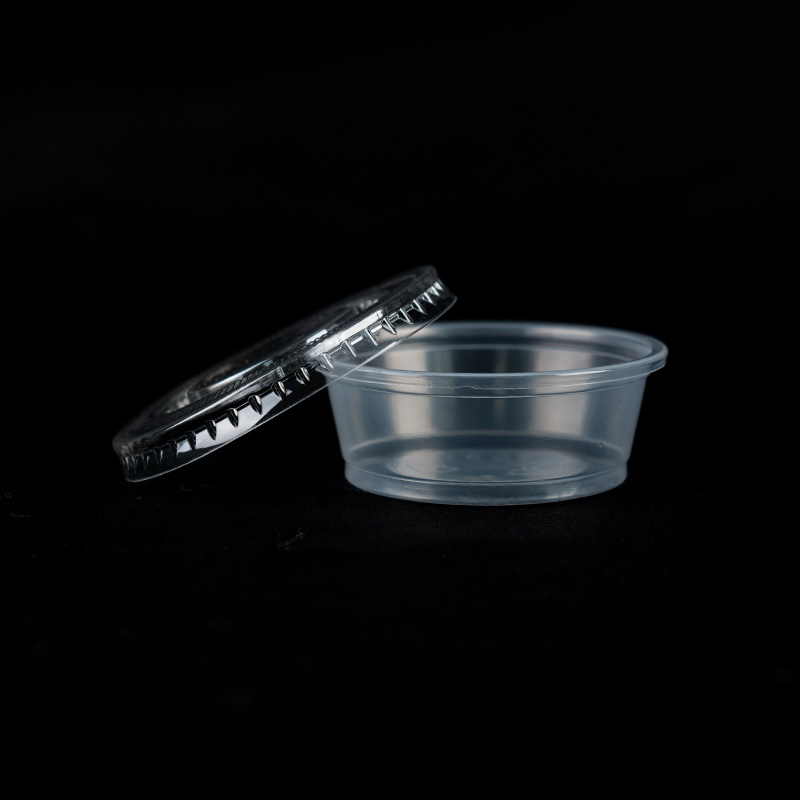
A container body and its lid should be treated as a coordinated packaging system. A lid that fits securely helps reduce spills during routine handling, while the opening determines how easily the contents can be accessed.
Common closure options include snap-on lids, press-fit lids, and screw caps. Each design supports different handling requirements. Snap-on lids can be convenient for repeated access, while screw caps may suit products that require a threaded closure.
Before selecting a round plastic container, manufacturers should consider several practical details:
- Opening diameter: Determines how easily products can be filled or removed.
- Lid compatibility: Helps establish a consistent fit between the container and closure.
- Container capacity: Should correspond to the required fill volume.
- Stacking design: Influences how containers are arranged in cartons or storage areas.
- Label area: Provides space for product identification and brand information.
These details can affect filling operations, packing efficiency, and the experience of the end user.
What Should Manufacturers Consider When Choosing a Container?
The selection process starts with the contents rather than the container's appearance alone. Liquid products, powders, dry foods, and small solid components may require different material properties and closure arrangements.
Manufacturers should also review the filling method. Automated filling lines may require consistent dimensions and container stability, while manual packing operations may place greater emphasis on convenient handling and opening access.
For products sold through retail channels, transparency, color, surface finish, and label placement can influence shelf presentation. For bulk supply, container dimensions and carton arrangement may play a larger role in warehouse handling and shipment planning.
Customization for Different Packaging Requirements
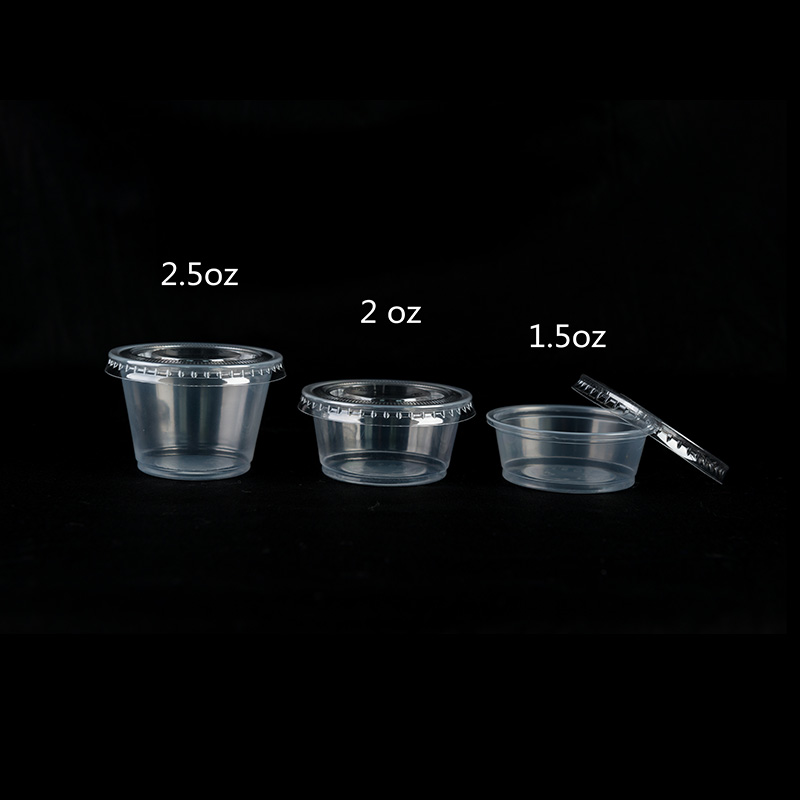
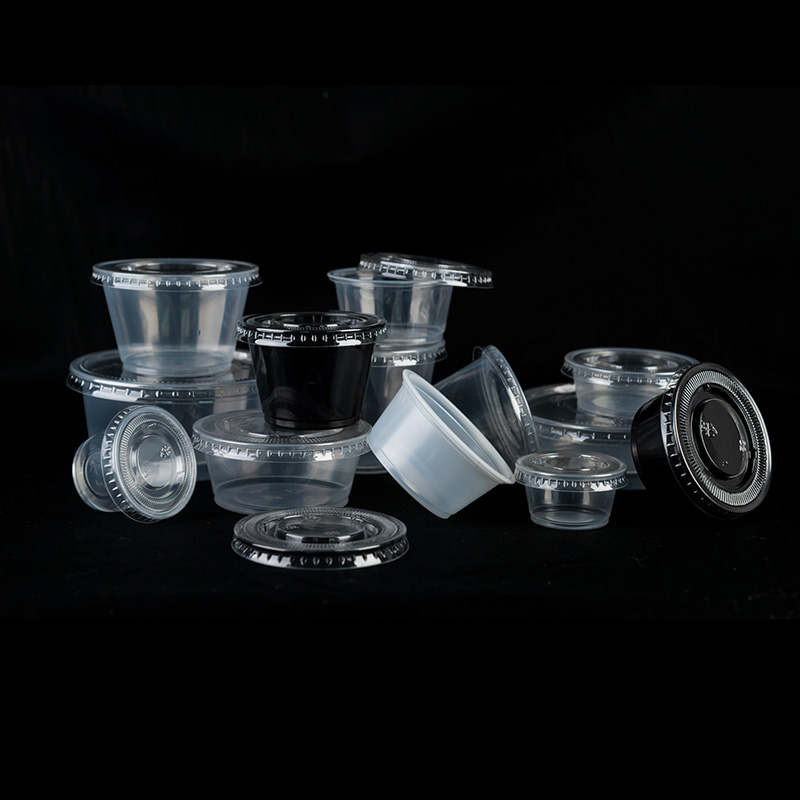
A round plastic container can be adapted through changes in capacity, color, lid style, surface finish, and label design. These options allow packaging suppliers to serve different product categories without relying on a single standard configuration.
For OEM and private-label projects, manufacturers can discuss the intended application, target dimensions, material preferences, and branding requirements before confirming a design. Samples can also help verify whether the opening, lid, and container body work together as expected.
When these factors are considered as a complete system, a round plastic container becomes more than a basic storage item. It serves as a practical packaging component that connects product protection, filling operations, transport, and retail presentation.