

 English
 عربى
عربى
A Small Tool With a Big Role in the Kitchen
Tucked into a drawer or hanging near the stove, a plastic graduate cup rarely draws attention until it's needed. Then, suddenly, it becomes indispensable — whether someone is portioning out flour for a recipe, measuring liquid detergent, or checking how much water to add to a pot of rice. Its simplicity is part of its appeal. There's no complicated mechanism involved, just a marked container that gives people a quick visual reference for volume.
Home cooks, small business owners, and even hobbyists working on DIY projects tend to reach for this kind of cup more often than they realize. It bridges the gap between guesswork and precision without requiring any special training to use correctly.
Why Clear Markings Matter So Much
The value of a plastic graduate cup comes down largely to how readable its markings are. Numbers printed too small or lines that fade after repeated use can turn a simple task into a frustrating one. Manufacturers have responded to this by experimenting with bolder print, raised markings, and multiple unit systems printed side by side — often showing milliliters, ounces, and cups together so users don't have to convert on the fly.
Transparency also plays a role here. A cup made from clear or semi-clear plastic allows users to see the liquid level from multiple angles, which reduces the chance of misreading a measurement. Some designs incorporate angled interior markings specifically so users can read them from above without bending down to eye level.
Different Uses Call for Different Designs
Not every plastic graduate cup serves the same purpose. Some are built with narrow spouts designed for controlled pouring, which comes in handy when adding small amounts of liquid to a mixing bowl or measuring out cleaning solutions. Others feature wider openings, making them easier to fill quickly or scoop directly into flour, sugar, or other dry ingredients.
Handle design is another area where variation shows up. A sturdy, well-positioned handle can make a real difference when the cup is filled with something heavier, like syrup or oil, while a compact design without a handle might suit smaller measuring tasks where portability matters more than grip.
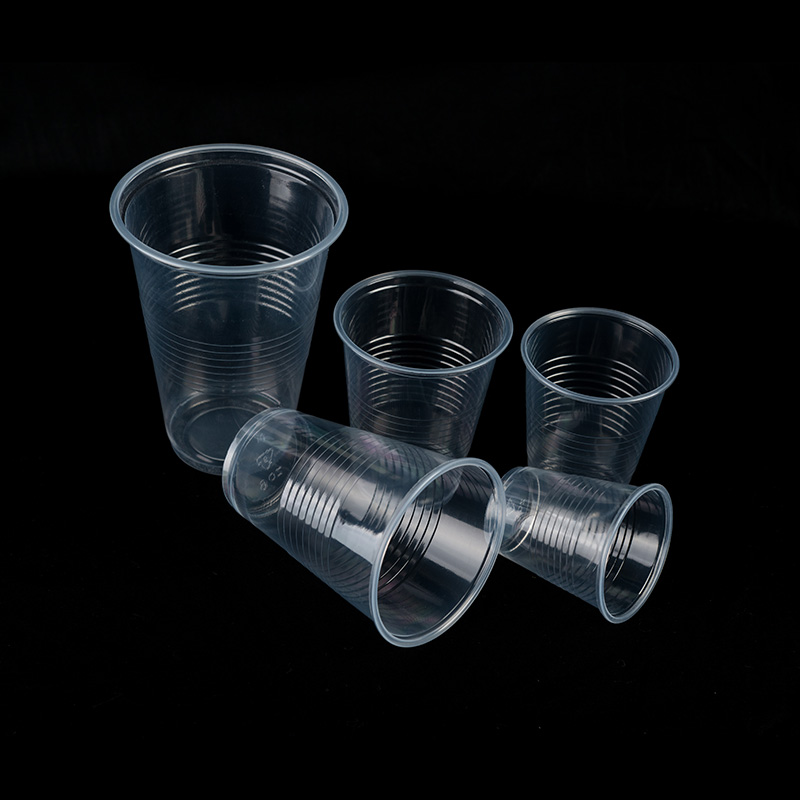
Size range is worth mentioning too. Some versions are made for small-batch cooking or baking, holding just a cup or two, while larger options are designed for tasks like laundry measuring or bulk ingredient prep, where scaling up matters.
Everyday Situations Where This Cup Comes in Handy
Beyond the kitchen, a plastic graduate cup finds its way into laundry rooms, garages, and even craft spaces. Mixing paint, measuring out resin for a project, or portioning liquid fertilizer for houseplants are all tasks where having a reliable, easy-to-read cup makes a noticeable difference. Even a quick job like diluting a cleaning solution goes faster when someone isn't stopping to guess.
Parents sometimes rely on smaller versions for administering liquid medicine, appreciating the clear markings that help avoid under- or over-measuring. Meanwhile, people who bake frequently often keep multiple cups on hand, each suited to a slightly different task — one for wet ingredients, another for dry.