

 English
 عربى
عربى
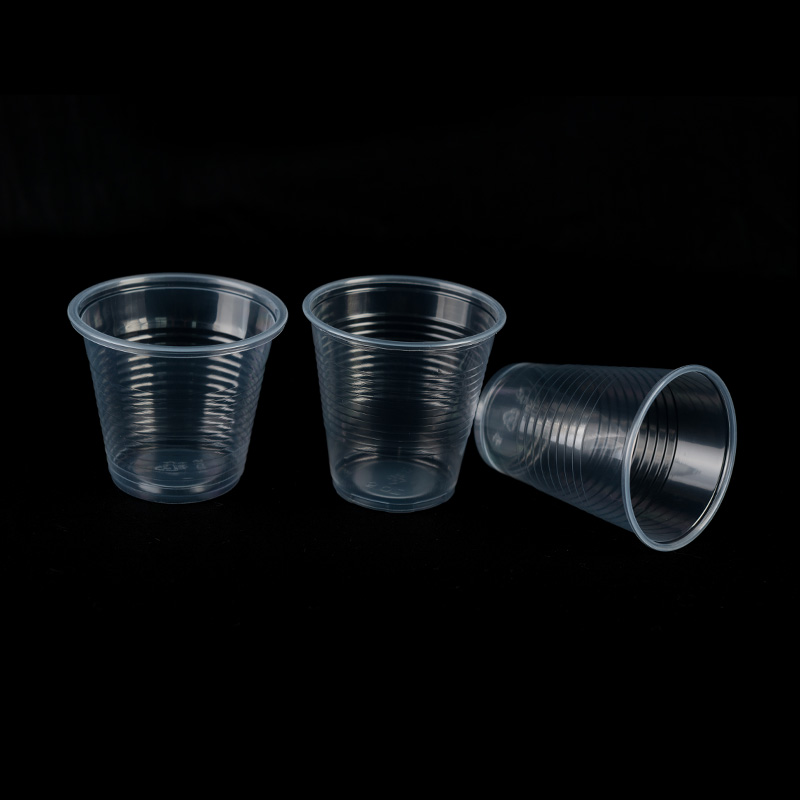
Plastic party cups have become a steady fixture in the disposable tableware trade, moving through wholesale channels into restaurants, catering services, event planners, and retail shelves. For buyers sourcing in volume, these cups offer a combination of low unit cost, light weight, and straightforward handling that fits naturally into large-scale procurement plans.
Why Plastic Party Cups Remain a Wholesale Staple
Disposable cups serve a recurring need across many industries, and plastic party cups in particular are valued for being light to ship, easy to stack, and simple to store in bulk without taking up excessive warehouse space. Because they are used once and discarded, buyers typically order in large batches, which makes consistent supply and predictable times a bigger concern than any single design feature. Distributors also appreciate that plastic cups can be packed in cases or sleeves that scale easily from small trial orders to container-sized shipments.
Material and Manufacturing Considerations
Plastic party cups are commonly produced from polypropylene or polystyrene, each offering different qualities in terms of rigidity, clarity, and cost. Polypropylene tends to hold up well to slight flexing and reuse during a single event, while polystyrene often provides a clearer, glass-like finish that some buyers prefer for cold beverage service. Manufacturing typically relies on injection molding for rigid cup styles or thermoforming for thinner, disposable versions, and the choice between these processes affects wall thickness, unit weight, and how the cups feel when stacked or handled in bulk.
Buyers sourcing at scale often ask about wall thickness and rim design, since these details affect how cups perform when filled with cold drinks or stacked tightly in shipping cartons. A cup with a slightly reinforced rim, for instance, resists denting during transport and handling, which matters more at high order volumes where a small percentage of damaged units can add up.
Sizes, Shapes, and Customization Options
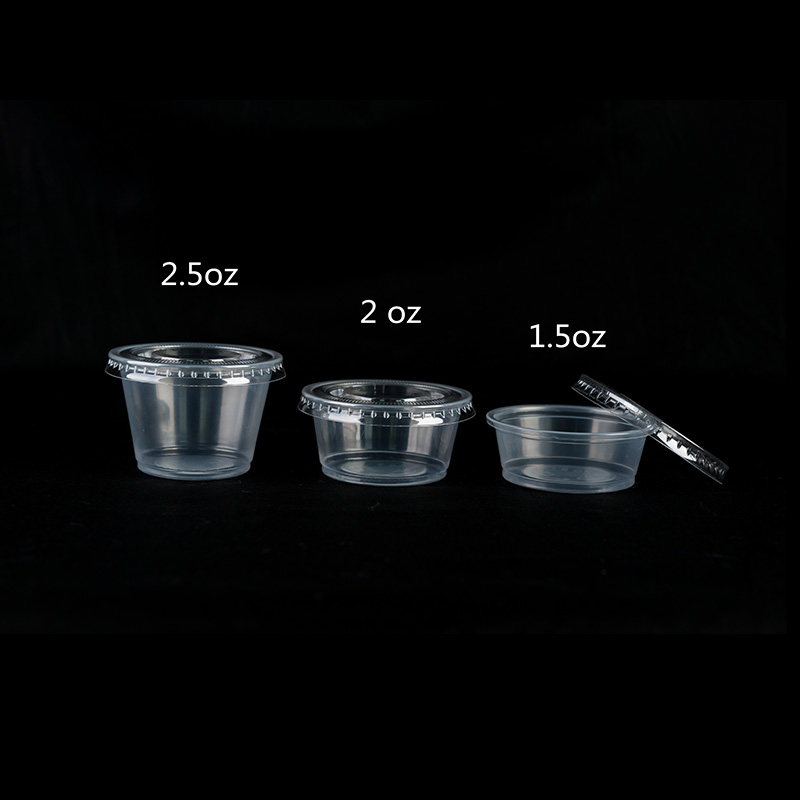
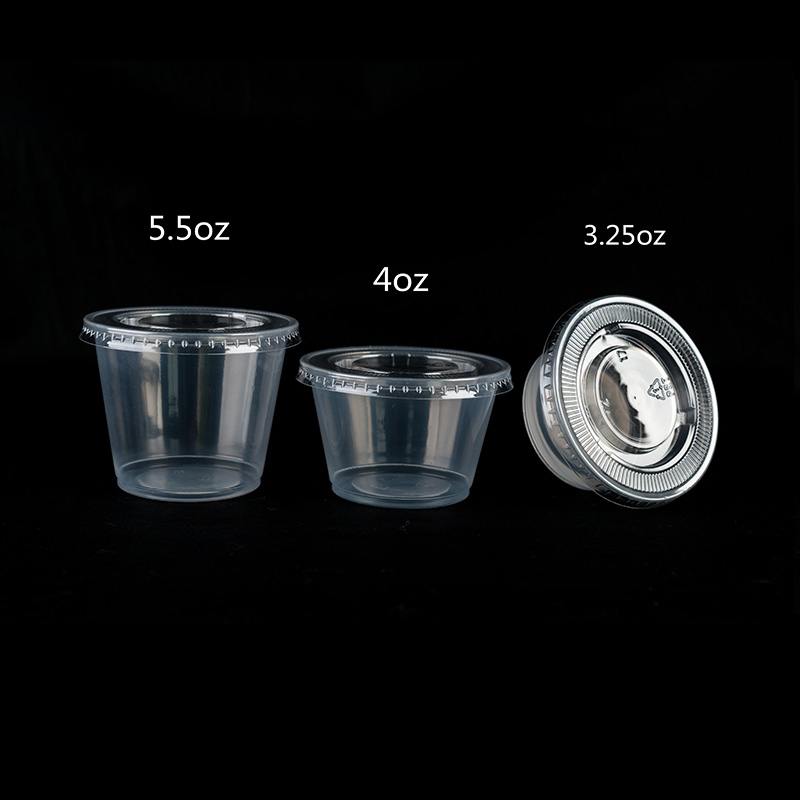
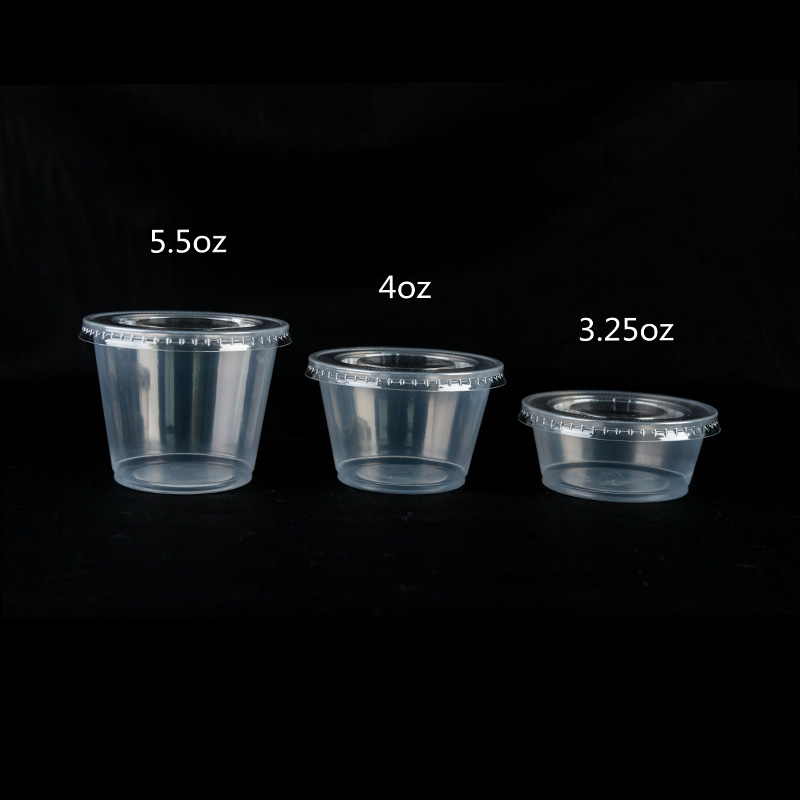
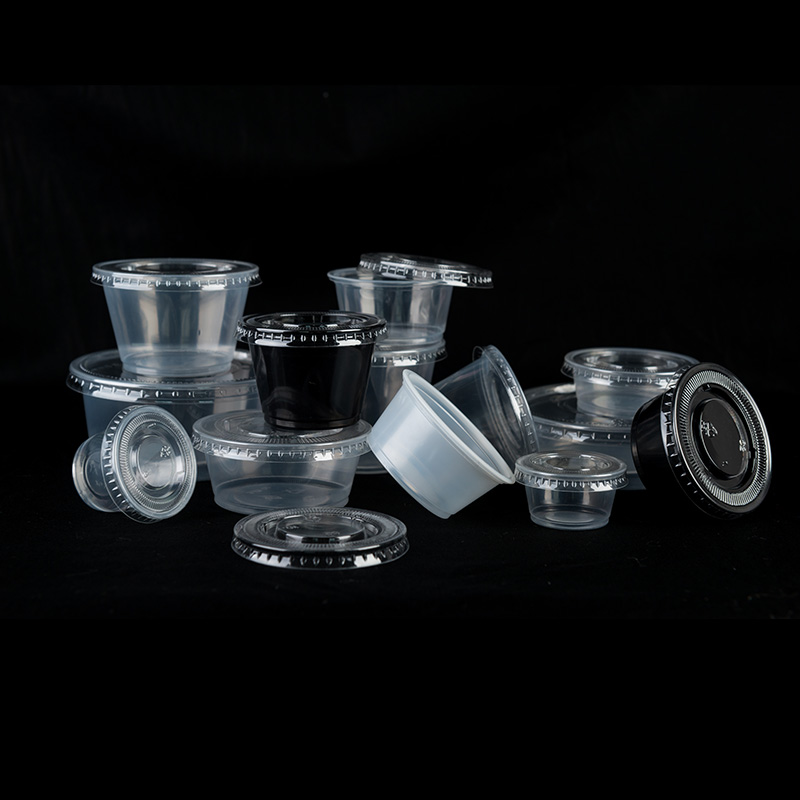
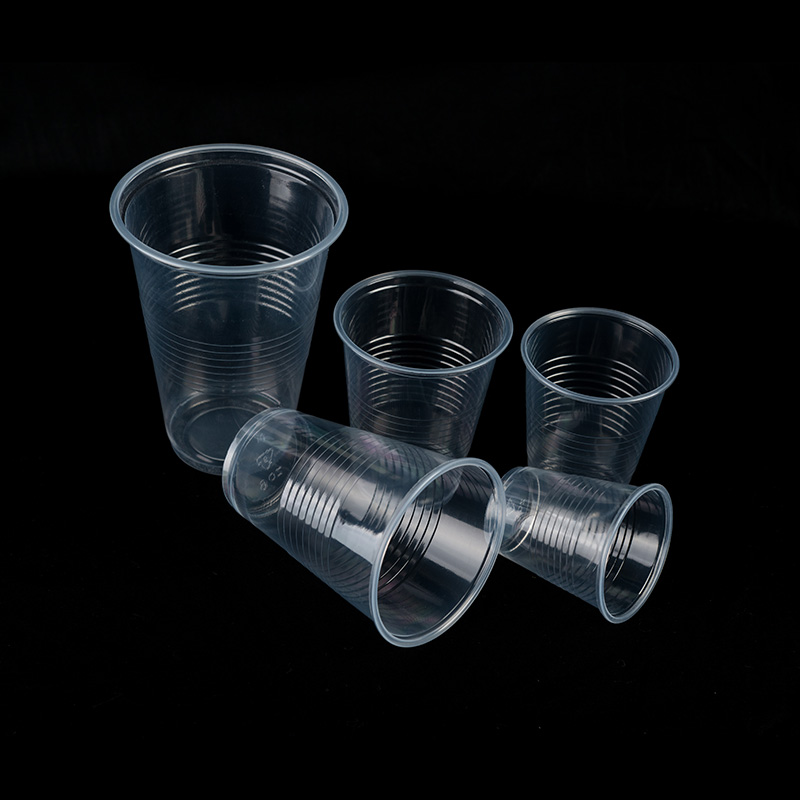
Plastic party cups are typically available across a range of volumes, from small shot-style cups used for tastings and samples to larger cups suited to mixed drinks or soft beverages at gatherings. Standard shapes include straight-walled tumblers and slightly tapered designs, both of which stack efficiently for storage and shipping. Color options usually span clear, frosted, and solid tones, giving buyers flexibility depending on whether the cups will be used for casual gatherings, catered events, or branded promotional purposes.
Custom printing is another area buyers frequently explore, since adding a logo, event name, or simple pattern turns a standard cup into a branded item without requiring a change in the base material or cup shape. This kind of customization is generally handled through pad printing or offset printing directly on the cup surface, and order quantities for custom runs tend to be higher than for plain stock cups.
Applications Across Event and Hospitality Channels
Plastic party cups show up across a wide mix of settings, including catering companies, bars and restaurants offering to-go service, schools and community organizations hosting gatherings, and retailers stocking party supply sections. Each of these channels has slightly different priorities: catering buyers may prioritize clarity and a premium feel for cold drinks, while retail buyers often focus on colorful, festive designs that appeal directly to consumers. Understanding these different use cases helps wholesale buyers match cup style and packaging format to the specific channel they are supplying, and it also shapes which sizes and colors tend to move fastest through a given sales channel.