

 English
 عربى
عربى
Plastic food containers have become a familiar item in kitchens across the globe. Their presence is no longer limited to lunchboxes or storage shelves; they are now part of everyday meal preparation, storage, and transportation. The versatility of these containers allows them to hold a variety of foods, from leftovers to freshly prepared meals, without requiring additional wrapping materials. This adaptability has made them a practical choice for many households and workplaces.
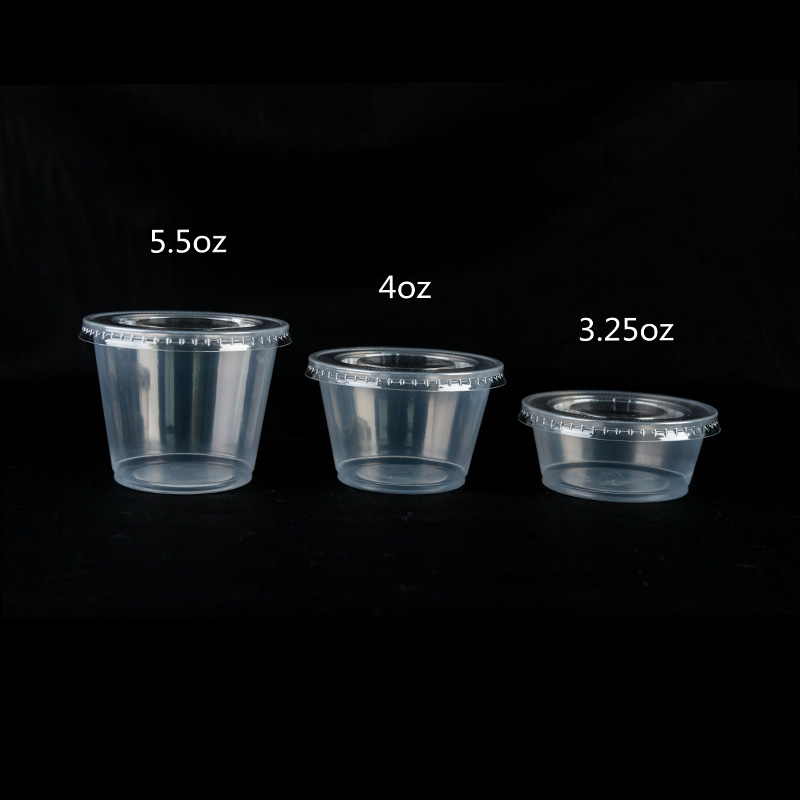
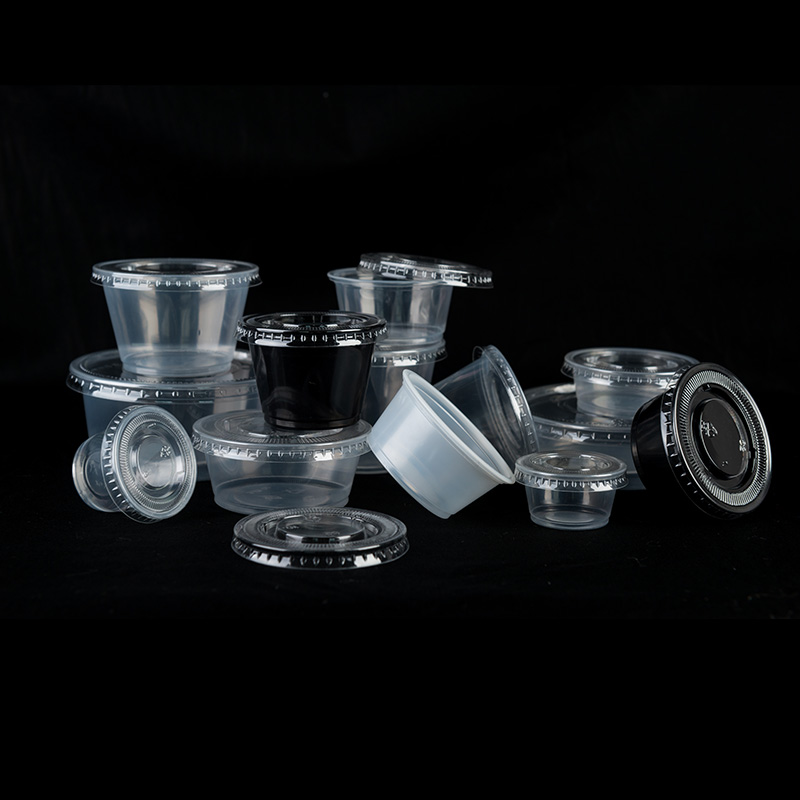
Modern plastic food containers come in a wide range of shapes, sizes, and designs. Square, rectangular, and round shapes offer flexibility for stacking and organizing in refrigerators or cupboards. Some containers feature airtight lids that help maintain food freshness and prevent spills during transport. This attention to design demonstrates how plastic food containers cater to practical needs while providing convenience.
One notable advantage of plastic food containers is their lightweight nature. Unlike glass or metal options, plastic containers are easy to carry and handle, which makes them suitable for packed lunches or outdoor activities. Durability also plays a role, as many plastic containers resist cracks and breakage, allowing repeated use over months or even years. Some containers are microwave-safe, enabling direct reheating without transferring food to other dishes.
Sustainability is becoming an increasingly important aspect of food storage. While plastic has often been criticized for environmental impact, efforts are being made to produce containers that are recyclable or made from recycled materials. Consumers now have options that balance convenience with environmental responsibility, allowing everyday use without contributing excessively to waste. Choosing containers with clear labeling on material type and recycling information helps users make informed decisions.
Plastic food containers are also influencing food culture and habits. Meal prepping has become more accessible, as containers allow individuals to organize weekly meals in advance. This organization can save time during busy weekdays and encourage healthier eating choices. Containers that are transparent or semi-transparent help users quickly identify contents, reducing food waste and making it easier to manage leftovers efficiently.
Retailers and manufacturers are responding to consumer demand with creative solutions. Some containers feature modular designs that interlock or nest for efficient storage. Others offer compartmentalized sections to separate foods, making them suitable for bento-style lunches or portion-controlled meals. Even aesthetic considerations are considered, with colorful lids or patterned surfaces adding visual appeal.
In commercial settings, plastic food containers serve essential roles. Restaurants, catering services, and delivery services utilize these containers to transport meals safely and hygienically. Stackable and secure designs help maintain order in busy kitchens and prevent spillage during delivery. Takeout and food delivery services continue to grow, and demand for functional and reliable containers remains significant.
While concerns about chemical leaching and heat resistance have prompted careful selection, guidelines and standards help ensure that containers meet safety requirements. Users are encouraged to follow manufacturer instructions regarding temperature limits and cleaning methods, which often include dishwasher-safe options. These precautions help maintain both safety and longevity of the containers.
In conclusion, plastic food containers provide an accessible and versatile solution for daily food storage and transport. Their range of sizes, lightweight nature, and functional features make them suitable for home kitchens, workplaces, and commercial settings. These containers are likely to remain a practical choice for many households due to ongoing improvements in sustainability and design, supporting convenience, organization, and efficiency in meal management.