

 English
 عربى
عربى
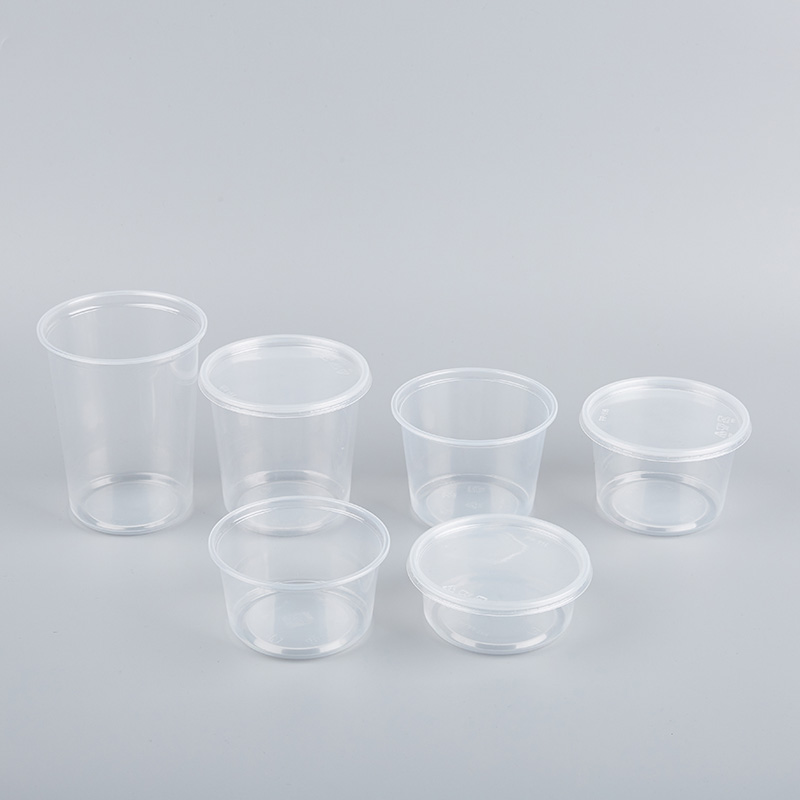
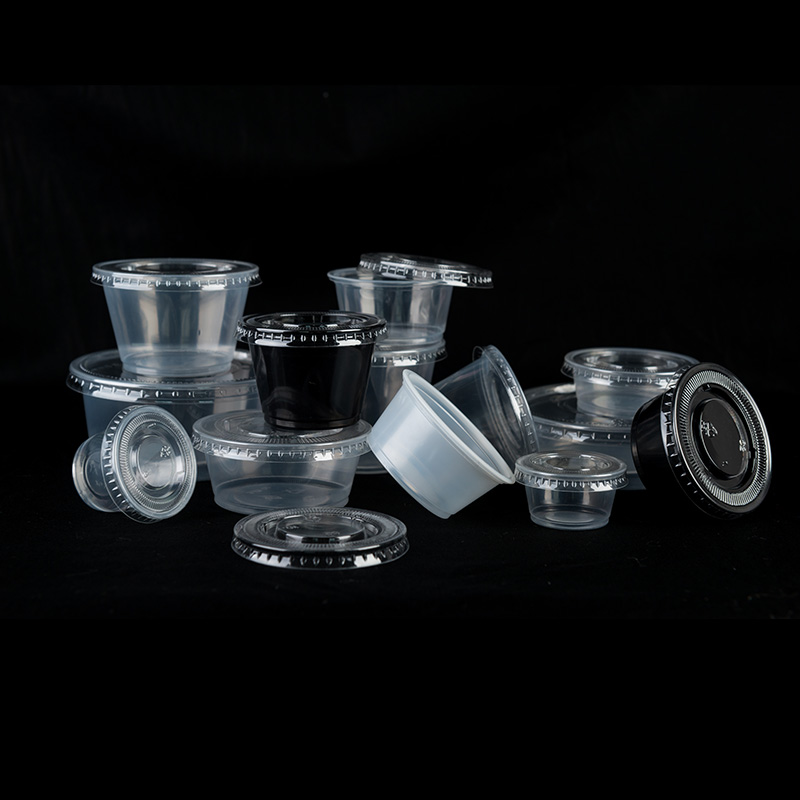
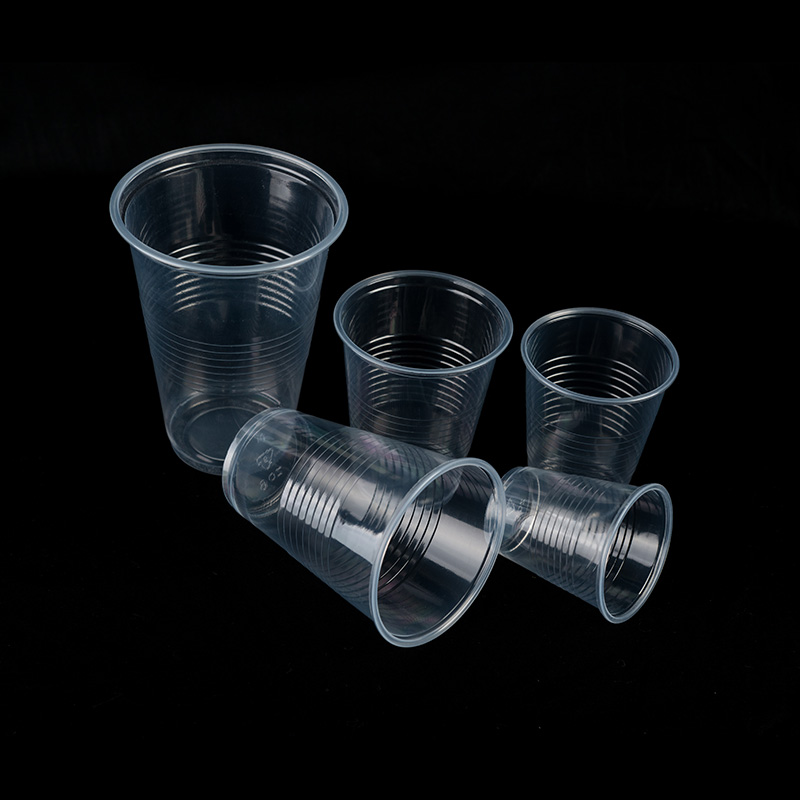
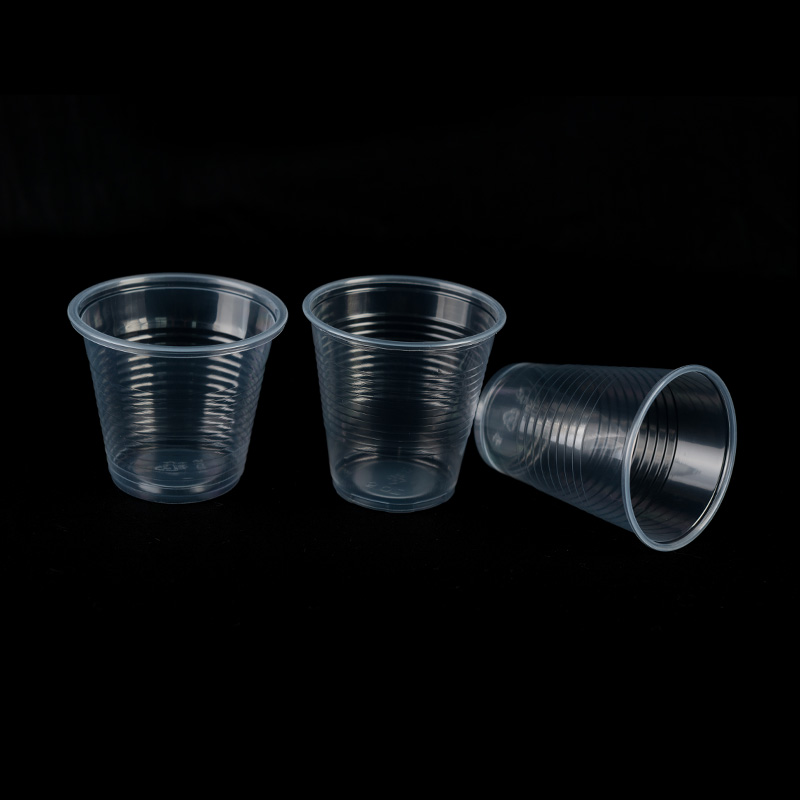
Deli cup containers, typically ranging from one ounce up to thirty-two ounces, are built for prepared foods: coleslaw, salsa, dips, portioned sauces, cold salads, and a hundred other things that need to go from kitchen to customer without making a mess. The translucent walls are not just a design choice — they serve a real purpose. Shoppers in a deli aisle are more likely to pick up a container when they can actually see what is inside. Opacity kills impulse buys. Transparency, quite literally, helps move product.
For anyone running a high-volume food operation, the value of a deli cup goes well beyond storage. Pre-portioning ingredients into cups before a shift starts — what chefs call mise en place — keeps a kitchen from falling apart during a lunch rush. Instead of someone measuring out sour cream for the twentieth time while a line builds, everything is already done. The cups sit there in the walk-in, labeled and ready. That kind of prep work is boring and invisible to the customer, but it is also what separates a kitchen that runs smoothly from one that does not.
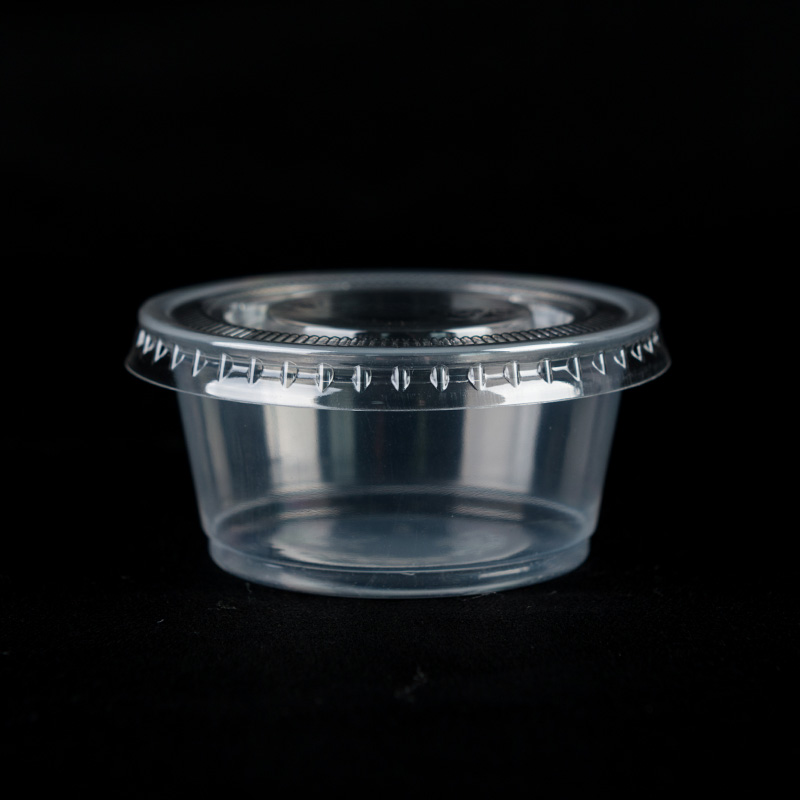
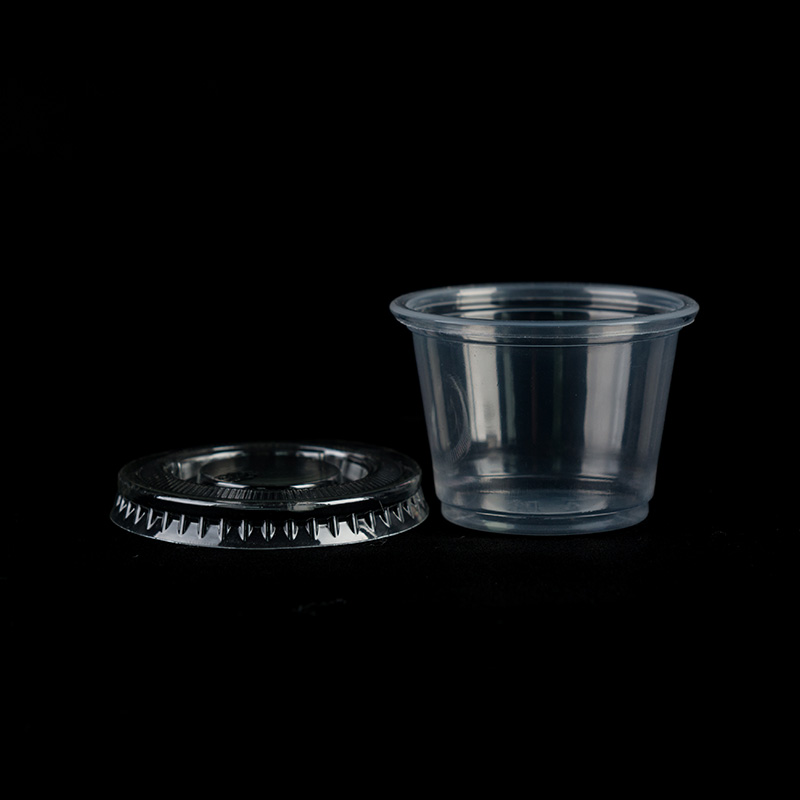
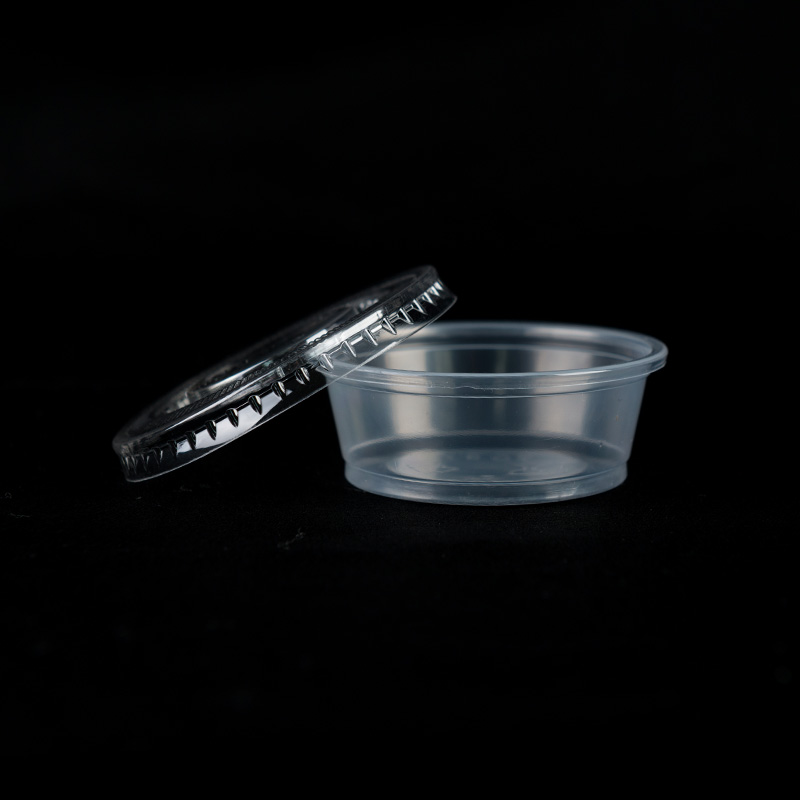
The lids matter more than people realize. A poorly fitting lid is not just annoying — it is a problem the moment a delivery driver takes a corner too fast. Restaurants that built out their takeout programs over the past few years learned quickly that packaging has to survive the journey. A deli cup with a lid that actually snaps and holds has become something those businesses depend on, even if they never say so out loud.
Home cooks have figured this out too, though usually not because anyone told them to. Meal preppers started reaching for deli cups after realizing that mismatched containers waste space and cause confusion. A stack of identical deli cups in the fridge, each holding a single serving of something, is just easier to manage. Many of them are freezer-safe, which extends their usefulness even further. It is the kind of product that earns its place slowly, through repeated small moments of convenience.
Labeling adds another layer of practicality. The smooth exterior of a deli cup holds adhesive labels well, giving food producers a surface where they can print ingredients, allergen warnings, a date, and branding all in one go. For a small-batch hot sauce maker selling at a weekend market, that single container has to function as packaging, compliance document, and advertisement at the same time. It handles all three without complaint.
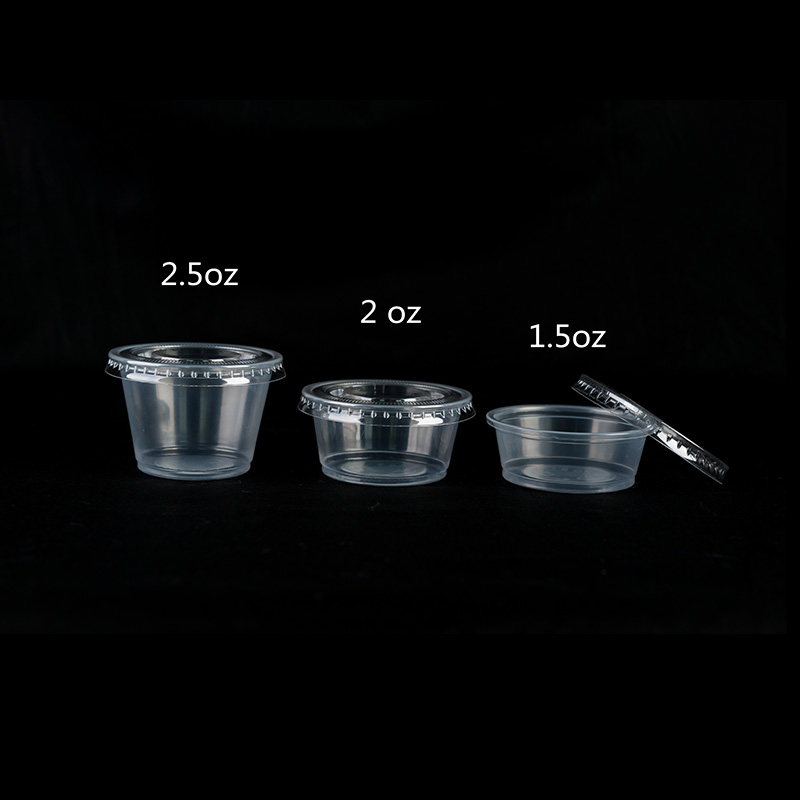
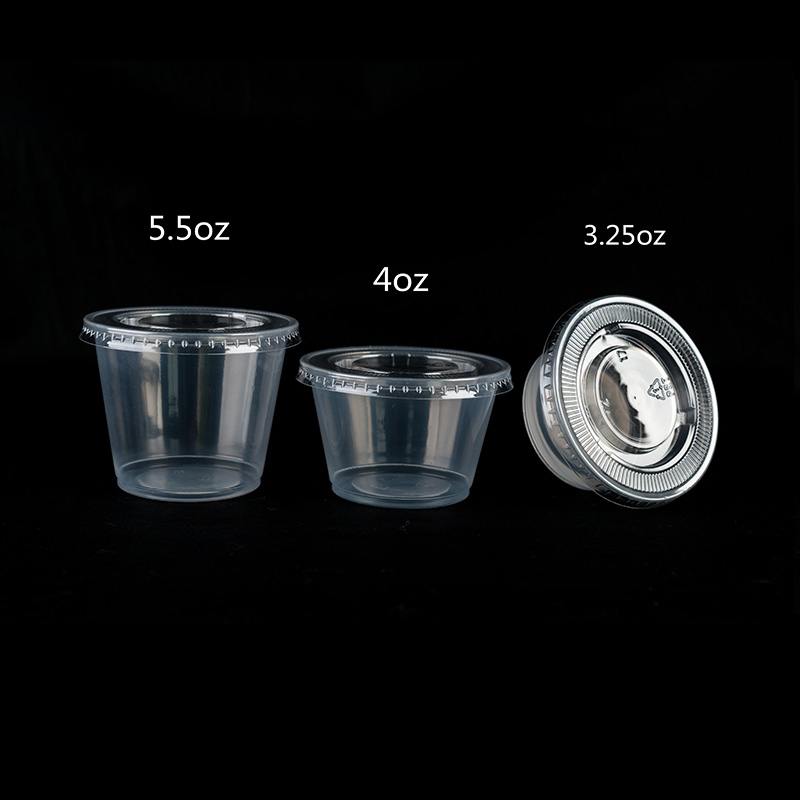
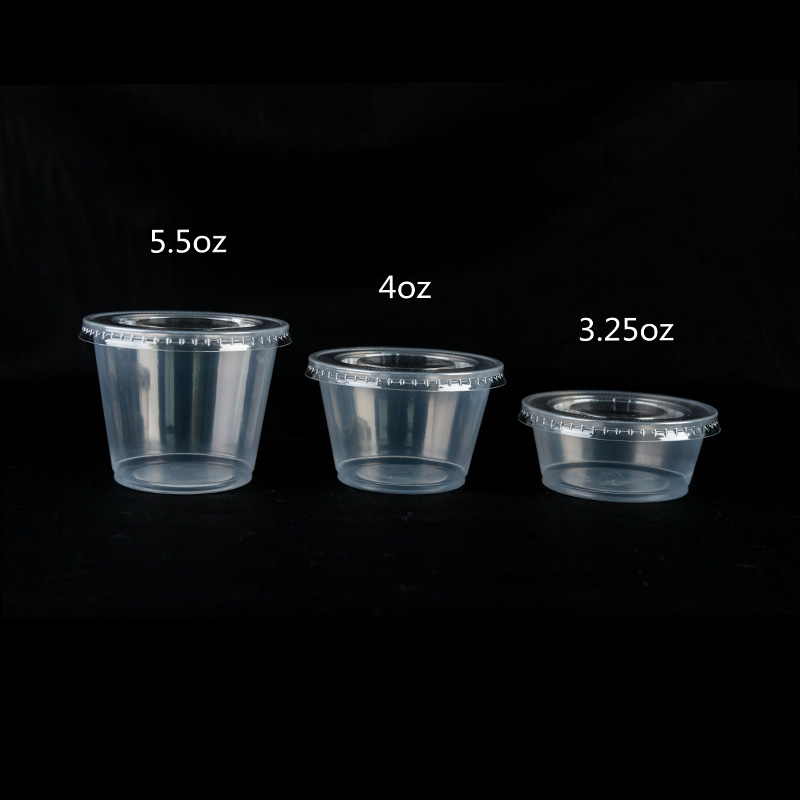
The range of sizes is also worth noting, because it is part of what makes the format stick across so many different contexts. Two ounces works for a side of sriracha. Eight ounces fits a solid portion of pasta salad. Thirty-two ounces carries enough chili for a family. A business can standardize on one container style and still cover what it needs, which cuts down on purchasing complexity and back-of-house clutter.
None of this is particularly dramatic. The deli cup container is not a technology story or a trend piece — it is closer to infrastructure. It sits in the background of kitchens, markets, and refrigerators, doing repetitive work without fanfare. And maybe that is exactly the point. The things that hold everything together rarely make the news. They just keep showing up, shift after shift, quietly doing what they are supposed to do.