

 English
 عربى
عربى
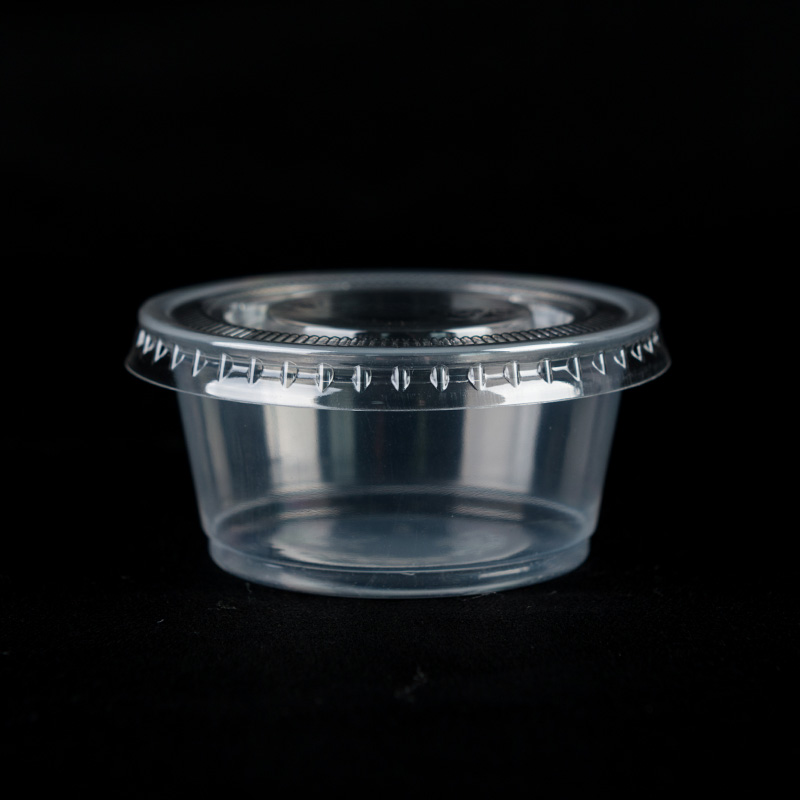
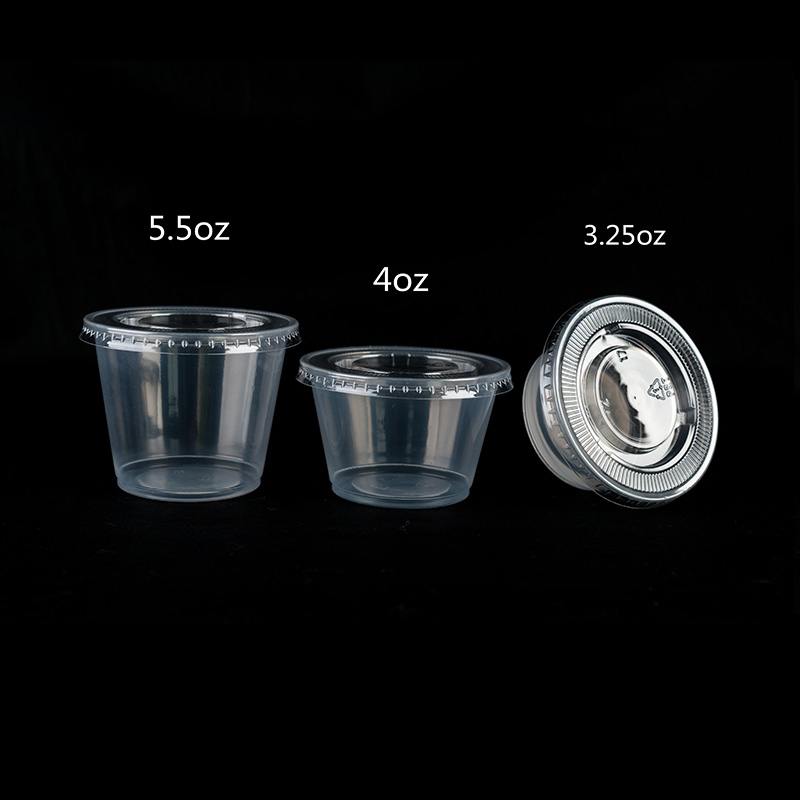
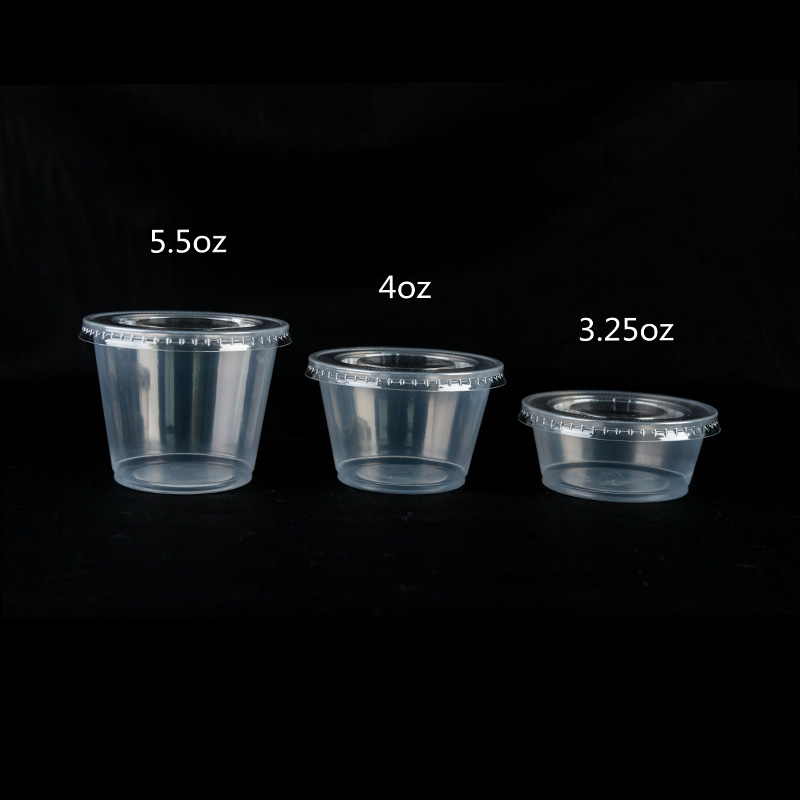
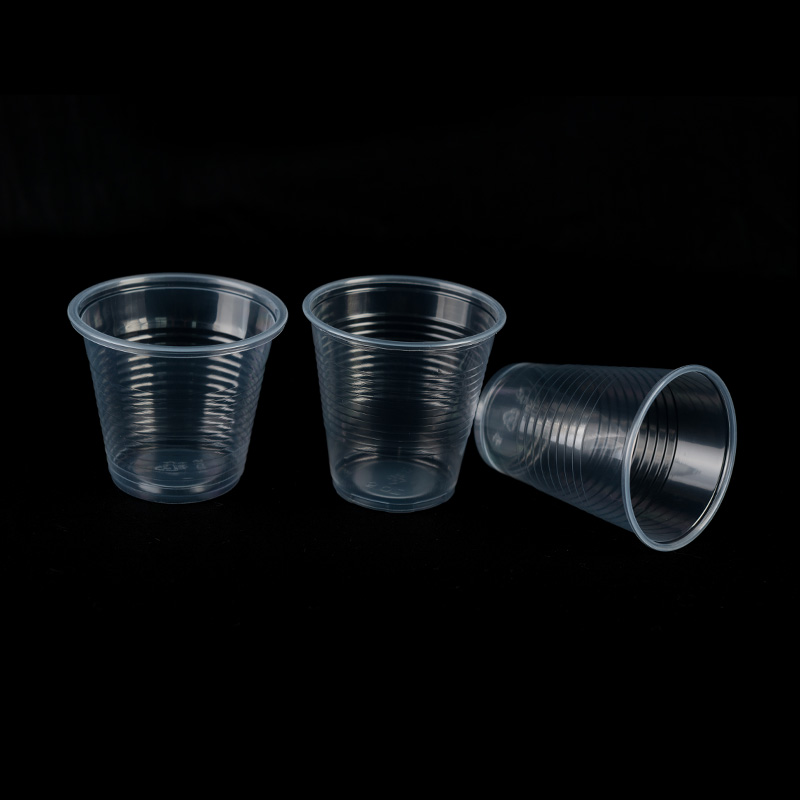
A portion cup with lid has become a widely used packaging and storage item in food service, household kitchens, and meal preparation routines. Its simple structure and practical function make it suitable for storing sauces, dressings, snacks, condiments, and small food servings. The design focuses on portion control and freshness preservation, which are important factors in both commercial and personal food handling environments.
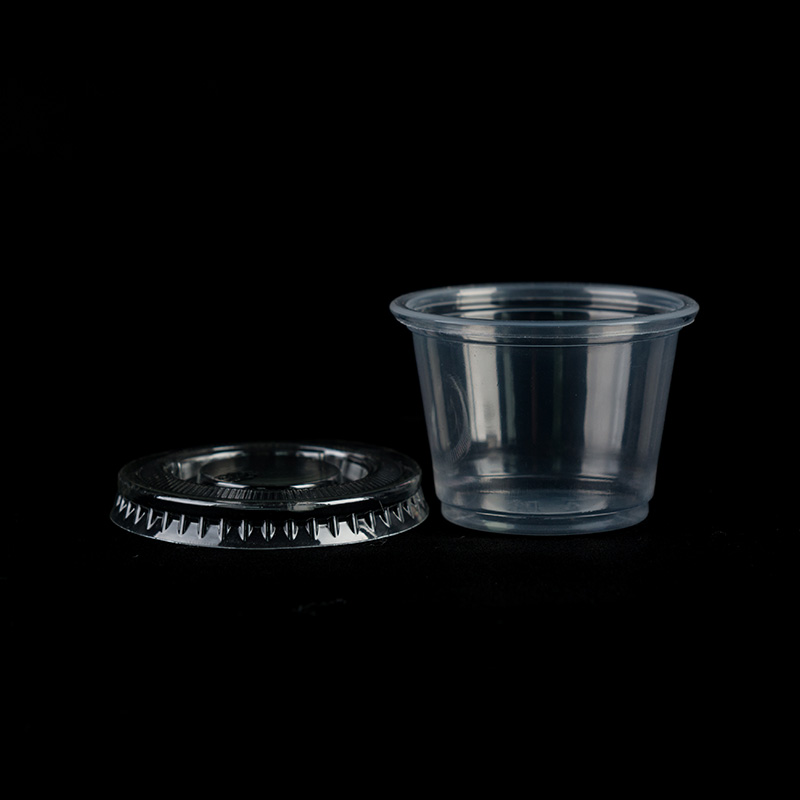
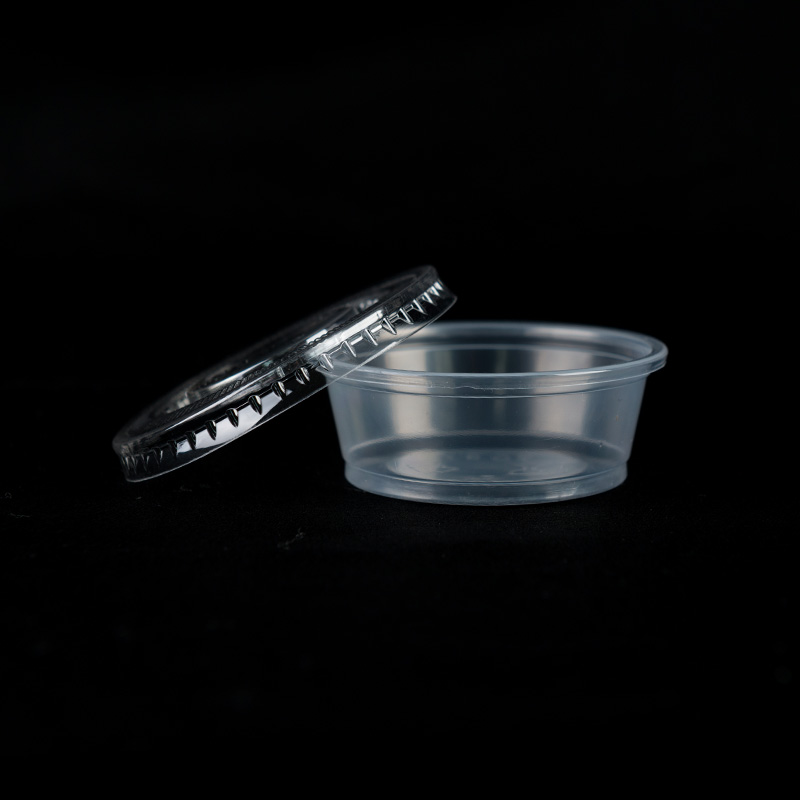
The basic structure of a portion cup with lid usually consists of a small container paired with a matching cover that seals tightly. These cups are commonly made from plastic materials such as polypropylene or PET, chosen for their clarity, flexibility, and resistance to cracking. Some versions are made from biodegradable or compostable materials, reflecting growing interest in environmentally conscious packaging solutions.
One of the main advantages of a portion cup with lid is its ability to support accurate portion control. In food service environments such as restaurants, catering businesses, and cafeterias, controlling portion size helps maintain consistency across servings. This consistency supports customer expectations and simplifies kitchen operations. For home users, portion cups help organize meal prep plans, making it easier to prepare meals in advance and manage daily food intake.
The lid plays an important role in maintaining freshness and preventing leakage. A secure-fitting lid helps keep air out and reduces the risk of spills during transport or storage. This feature is especially useful for delivery services and takeout packaging, where food needs to remain stable during movement. The tight seal also helps preserve flavor and texture, particularly for liquids such as sauces or dressings.
Portion cups are often used in meal preparation routines, especially among individuals who plan weekly meals in advance. By dividing ingredients or prepared dishes into separate containers, users can simplify cooking schedules and reduce daily preparation time. This method also supports better organization in refrigerators, where clearly labeled portioned containers help users quickly identify stored items.
In food service operations, portion cups with lids contribute to efficiency and hygiene. Pre-packaging sauces, toppings, or side items reduces handling time during busy service hours. It also helps maintain cleanliness by limiting direct contact between food and multiple surfaces. Many businesses use these cups for sample distribution, condiment service, and controlled serving sizes.
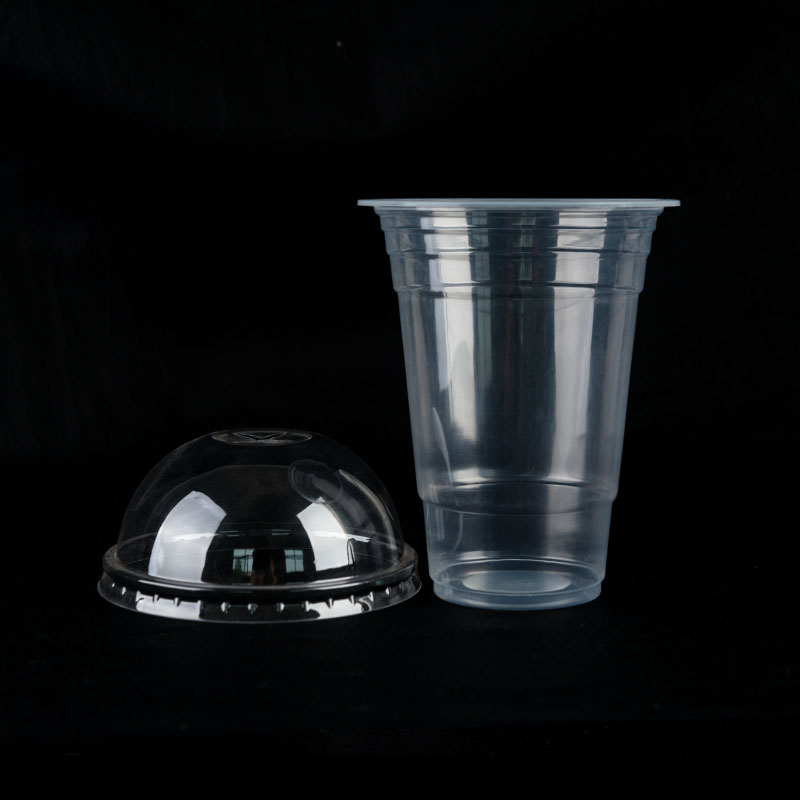
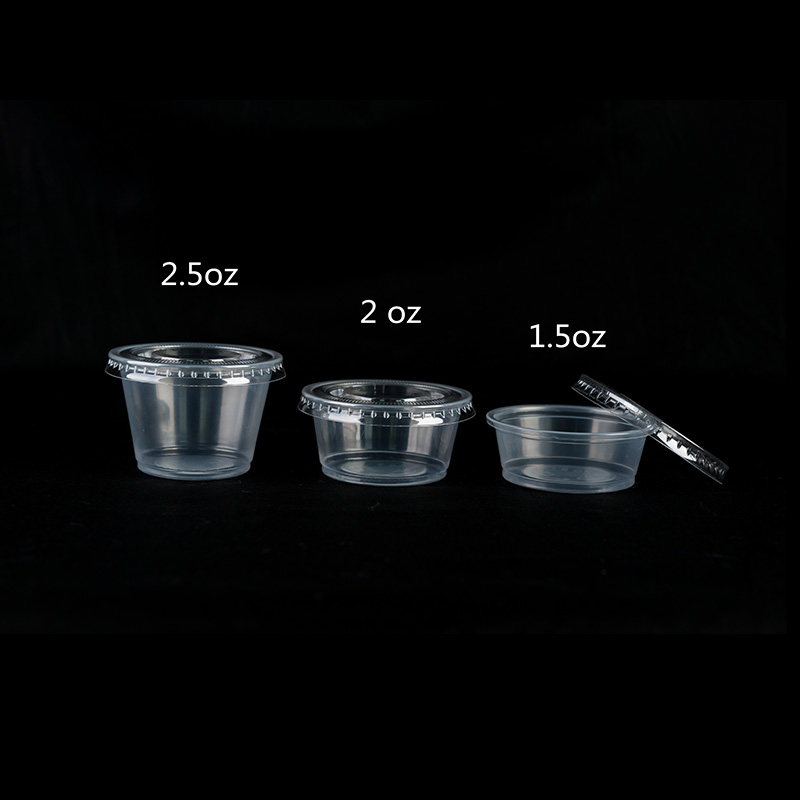
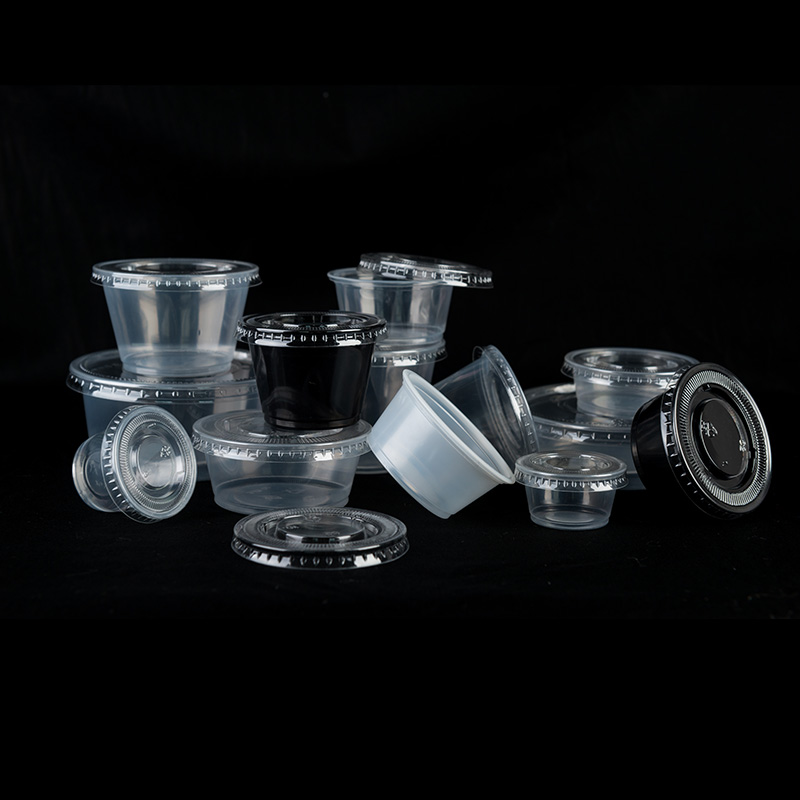
Design variations have expanded over time to meet different usage needs. Some portion cups are transparent, allowing easy visibility of contents, while others are opaque for light protection or branding purposes. Lid styles also vary, including snap-on lids, dome lids, and flat lids depending on the type of food being stored. Stackable designs are common, helping reduce storage space in kitchens and supply rooms.
Durability is an important factor in selecting portion cups. Even though they are small and lightweight, they must withstand pressure from stacking and transportation. Materials are chosen to ensure that cups do not easily crack or deform under normal handling conditions. This durability makes them suitable for both refrigerated and room-temperature storage.
Storage efficiency is another important benefit. Because portion cups are small and stackable, they can be stored in large quantities without taking up significant space. This is particularly useful for commercial kitchens that require high-volume packaging supplies. Organized storage systems help staff quickly access needed items during preparation and service.
Temperature resistance is also relevant in many applications. Depending on the material used, portion cups with lids can handle refrigeration and sometimes mild heating conditions. This flexibility allows them to be used for both cold and room-temperature foods, expanding their practical applications in different food service scenarios.