

 English
 عربى
عربى
Deli Cup Container Responds to Consumer Needs
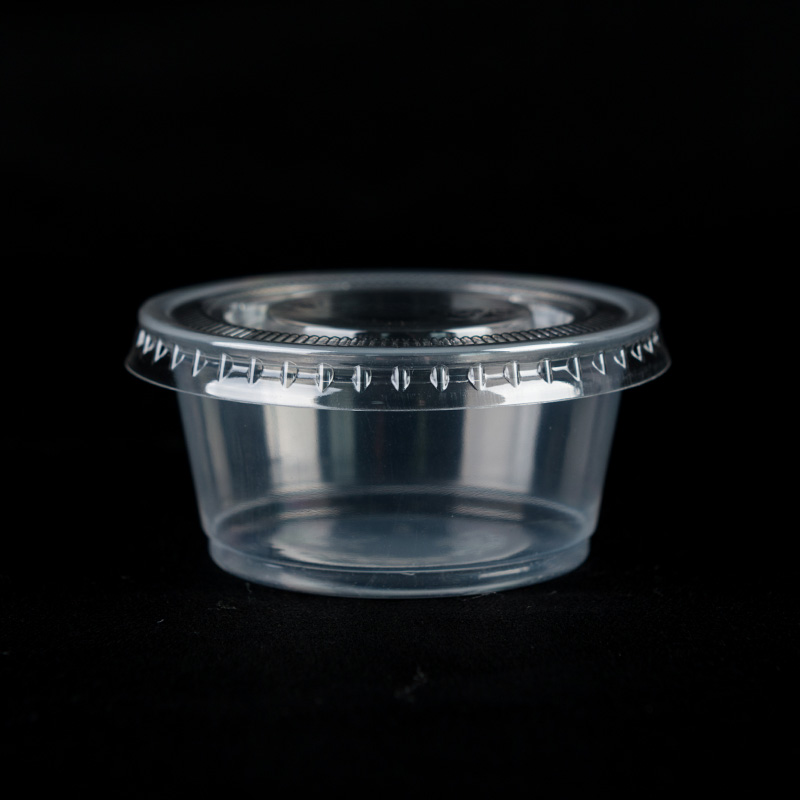
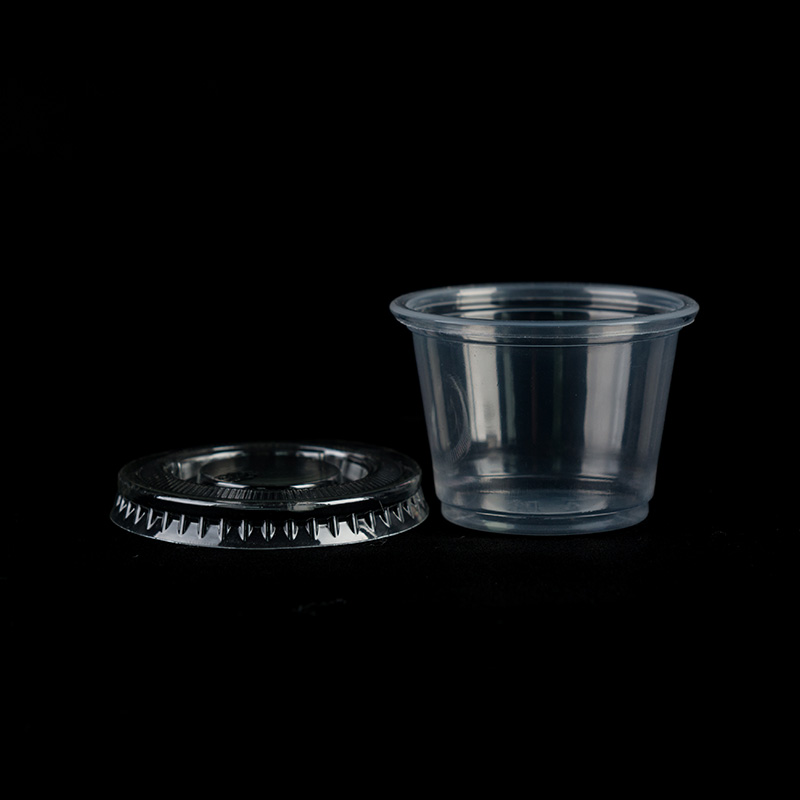
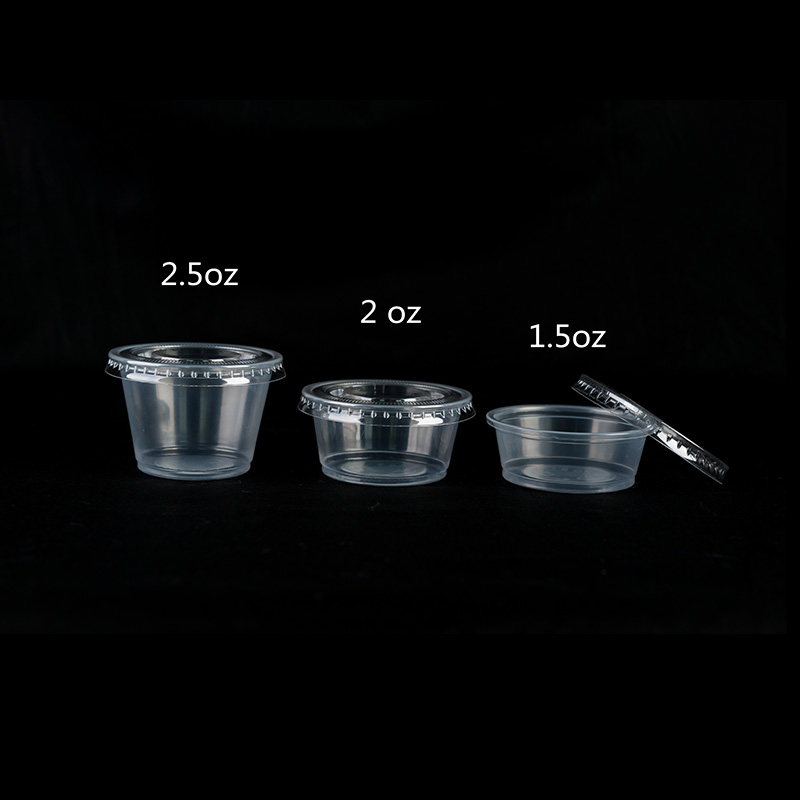
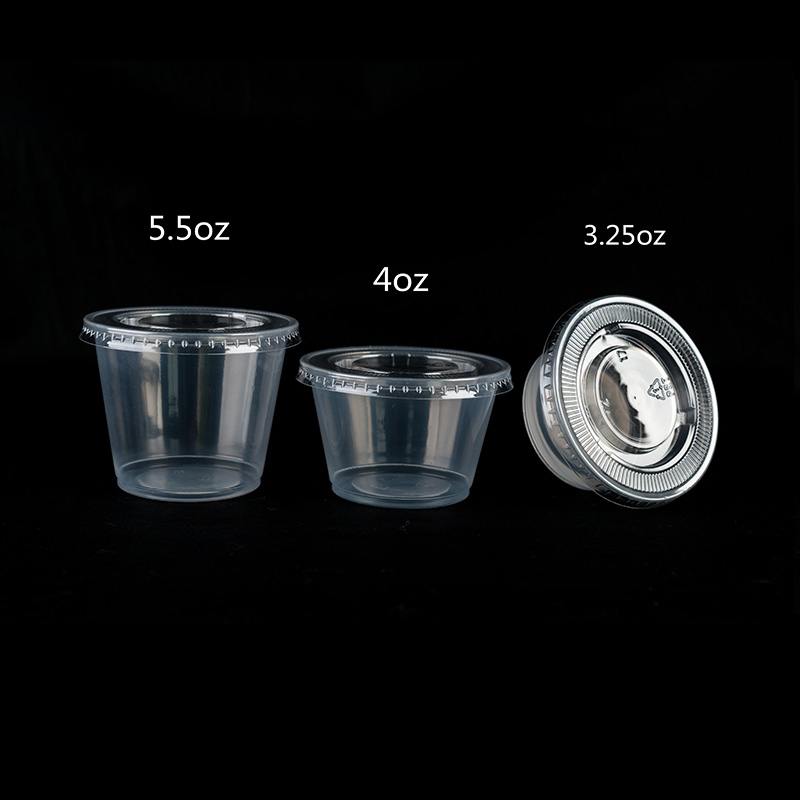
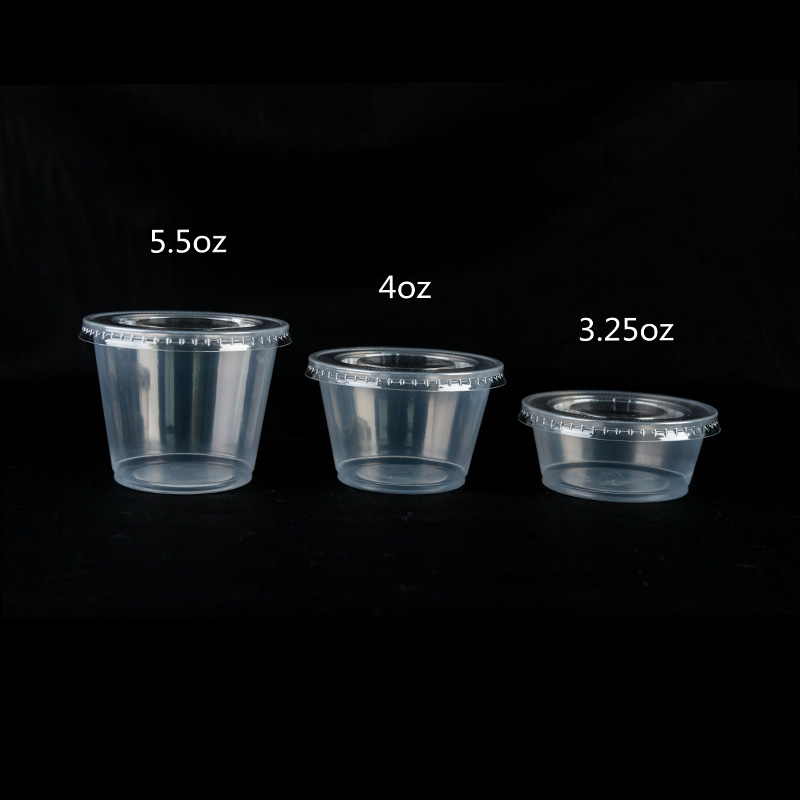
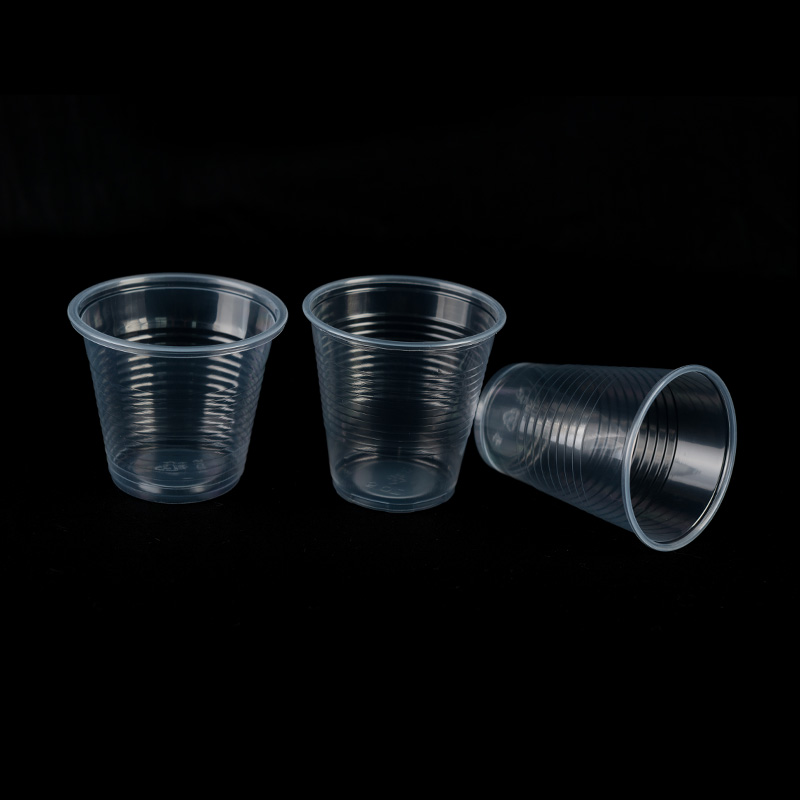
The deli cup container continues to attract attention in the food packaging sector. Its practical size and structure allow easy storage, transport, and display, making it suitable for a variety of foods including soups, salads, desserts, and sauces. Restaurants, grocery stores, and meal preparation businesses use the container to improve convenience for both staff and consumers. Clear materials provide visibility, helping customers identify products at a glance. Portion control features support consistent serving sizes, which benefits operations in retail and food service environments. This container also accommodates individual orders and family-sized portions, making it adaptable for various consumer preferences and business models.
Design Features Enhance Functionality
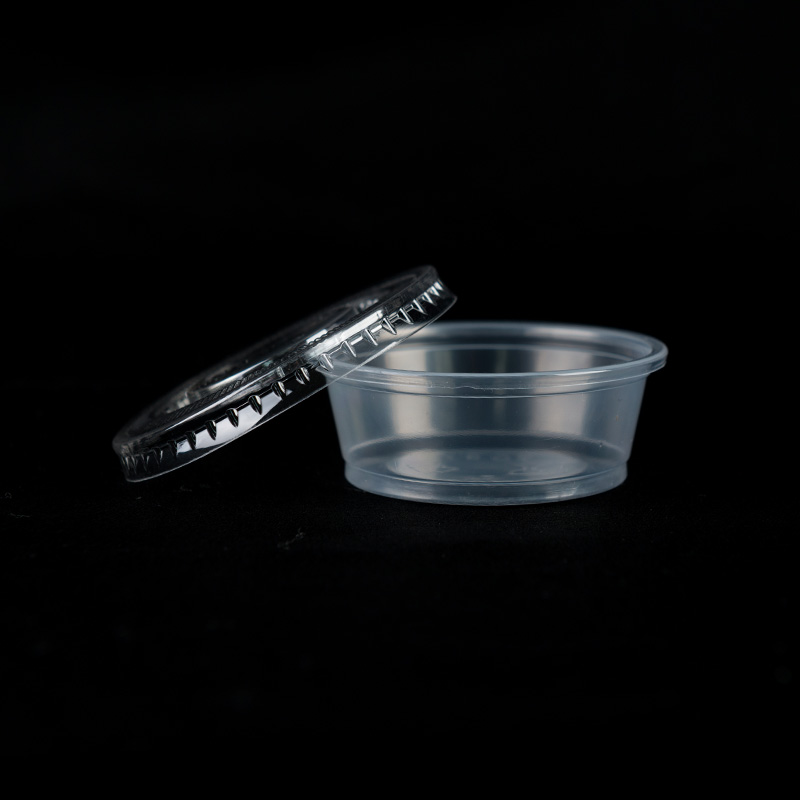
Functionality is a key reason for the deli cup container’s widespread use. Its round shape allows stacking that saves space during transport and storage. Secure lids reduce the risk of spills, particularly for liquids or semi-solid foods. Some designs include tamper-evident features, which improve confidence in packaged items. The transparent body enables easy monitoring of product quality, reducing the chance of waste. Lightweight structures support efficiency in kitchens and delivery systems. Combined, these features make the container a practical solution for daily food service operations. Ergonomic designs improve handling, making it simpler for staff and consumers to carry or transport multiple containers at once.
Deli Cup Container in Retail Applications
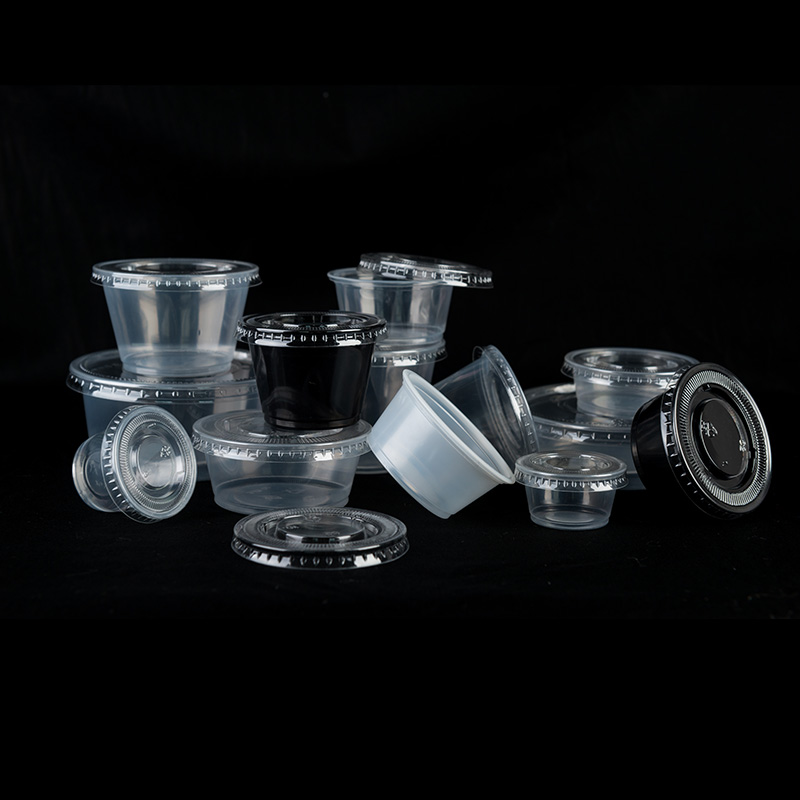
Retail outlets benefit from deli cup containers for prepared food displays. Items like salads, fruit portions, dips, and side dishes maintain a clean and organized presentation. Clear labeling on the container allows customers to read ingredients, nutritional details, or serving suggestions without opening the lid. Containers fit well in refrigerated displays, facilitating rotation and maintaining an attractive appearance on shelves. Standard sizes help staff handle inventory efficiently while providing consistent packaging for each product. This reliability supports workflow in retail environments and ensures products reach consumers in good condition. Deli cup containers can be customized in shape or lid type to fit display layouts or brand aesthetics.
Material Choices and Environmental Considerations
Material selection is an important factor for deli cup containers. Many manufacturers use recyclable plastics to meet sustainability goals and reduce environmental impact. Some containers feature lightweight designs that lower transportation energy costs. Reusable options are also available for food service settings where customers return containers for cleaning. Materials must maintain food safety standards while offering durability for repeated use. Innovations in materials focus on balancing usability, protection, and eco-friendly characteristics. Attention to material quality also ensures the container remains compatible with temperature-sensitive foods and does not react with acidic or oily products.
Applications Across Food Service Settings
The deli cup container is versatile in its applications. Catering businesses, quick-service restaurants, and meal preparation companies rely on the container for convenient packaging. Its transparency and secure lid design allow for easy transport and clear identification of contents. Portioning efficiency benefits both operational processes and customer satisfaction. The container works with automated filling equipment, supporting consistent packaging in high-volume environments. Its adaptability to different food types and service methods has made it a standard choice for daily operations. Some establishments also use deli cup containers for multi-course meals or sampler portions, demonstrating its flexibility across service styles and menus.