

 English
 عربى
عربى
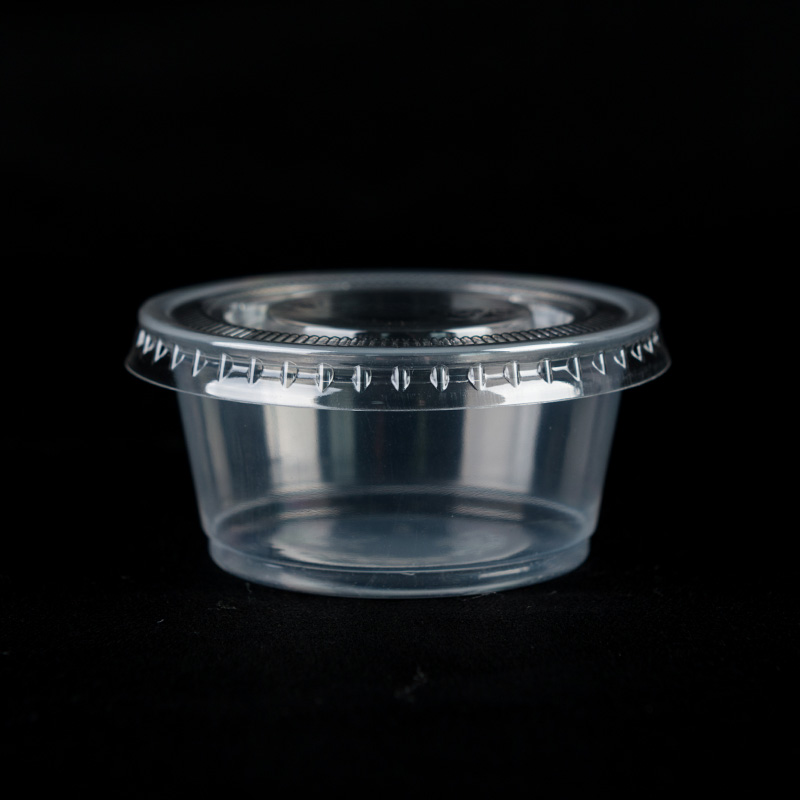
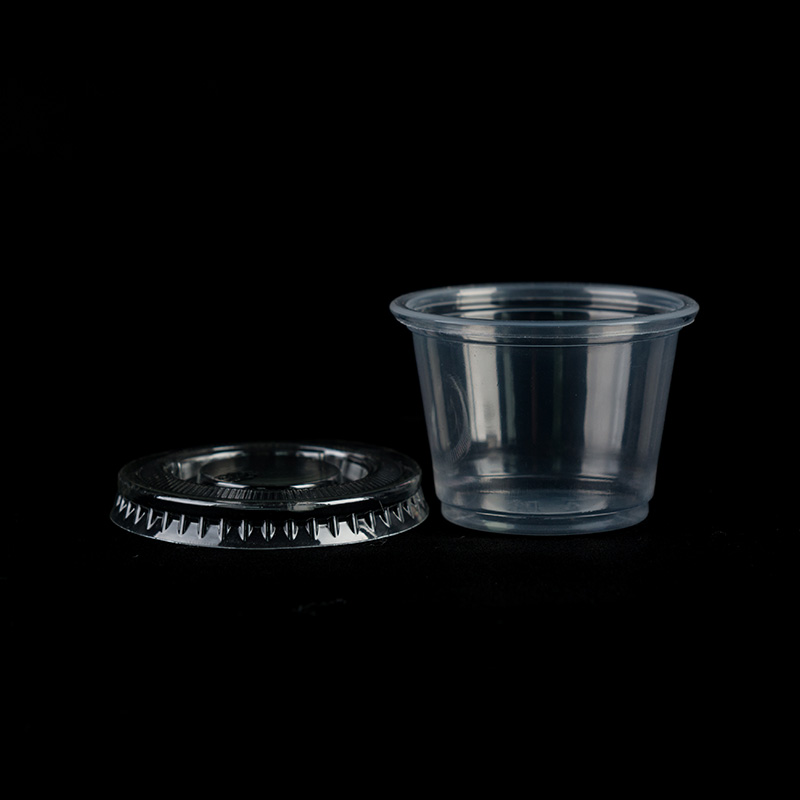
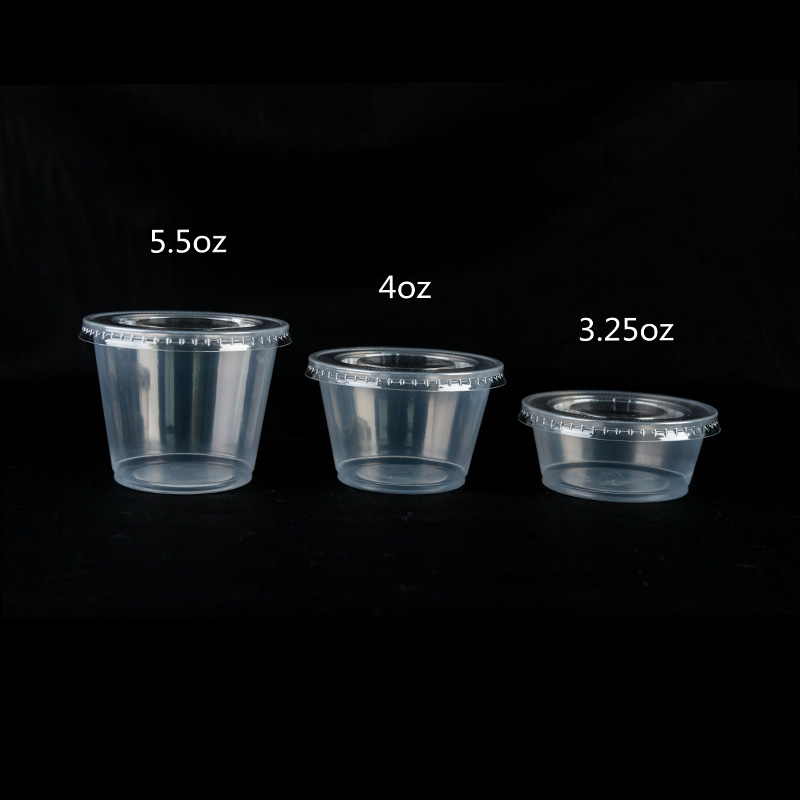
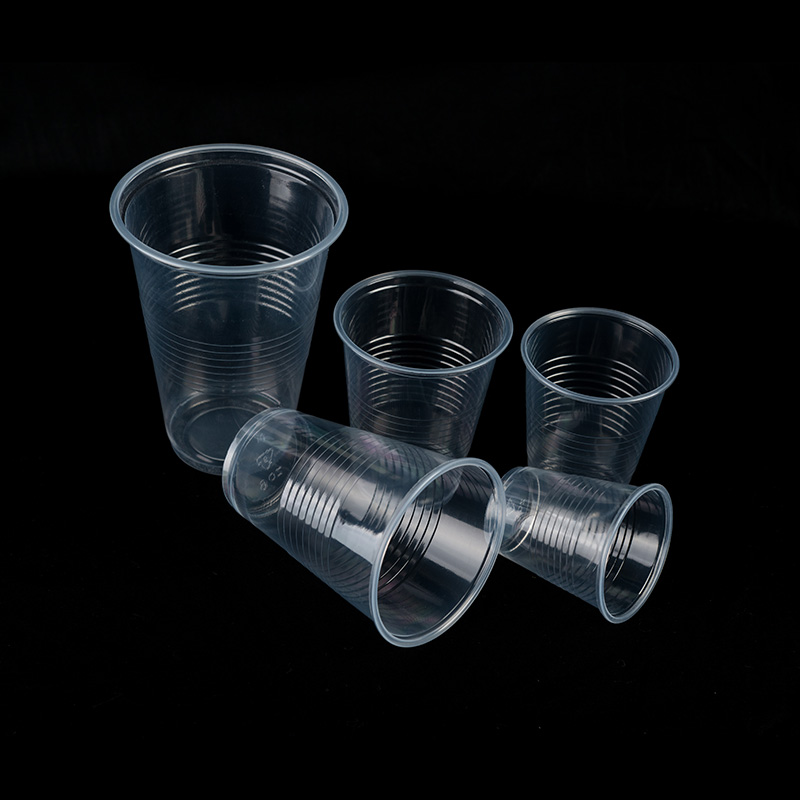
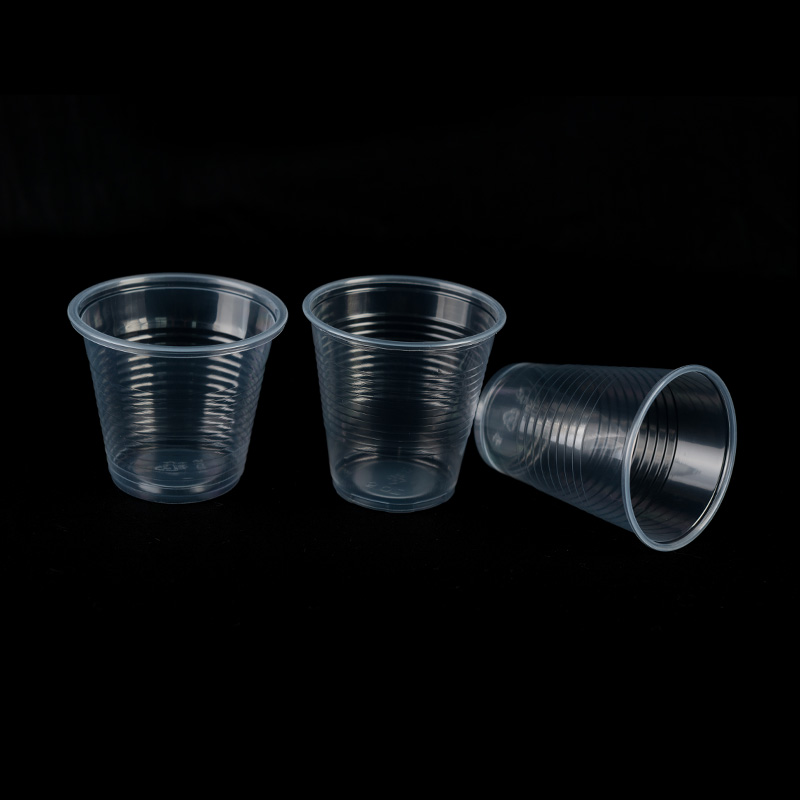
The round plastic container continues to hold an important position in modern packaging systems across food, beverage, household, and industrial sectors. Its circular structure supports efficient storage, stable stacking, and consistent volume control, making it a practical choice for manufacturers and distributors.
One key factor driving the use of the round plastic container is its compatibility with automated filling and sealing equipment. The uniform shape allows smoother alignment on production lines, reducing interruptions during filling, labeling, and capping processes. This efficiency supports steady output in high-volume packaging environments, especially in food processing and consumer goods manufacturing. Consistent wall thickness and balanced weight distribution also contribute to reliable handling during transportation.
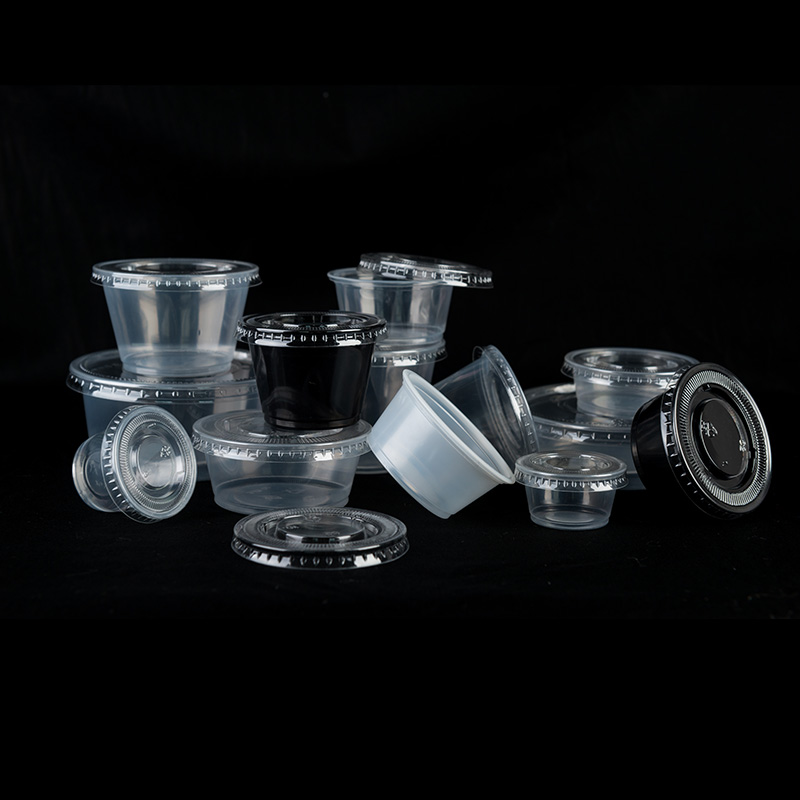
Material options play a significant role in the performance of a round plastic container. Common materials such as PP, PET, and HDPE are selected based on product requirements, temperature tolerance, and transparency needs. Clear containers help display contents such as sauces, snacks, and dry goods, supporting product visibility in retail settings. Opaque materials are often chosen for light-sensitive or household products, offering protection and a clean appearance. These material choices allow round plastic containers to serve both functional and presentation goals.
Sustainability considerations increasingly influence packaging decisions, including the design of round plastic containers. Lightweight structures help reduce material usage without compromising strength. Many containers are designed for recyclability, using single-material constructions that align with existing recycling systems. Some manufacturers are incorporating recycled content into production, reflecting broader industry efforts toward resource efficiency and waste reduction. These developments demonstrate how traditional container formats continue adapting to current environmental priorities.
The round plastic container also supports flexible labeling and branding options. Smooth, continuous surfaces provide ample space for labels, printed graphics, or shrink sleeves. This supports clear communication of product information, branding elements, and regulatory details. In competitive retail environments, packaging clarity and visual consistency play a role in consumer decision-making, and round containers offer a familiar and organized appearance.
Applications for the round plastic container extend beyond food and beverage packaging. In personal care and household product markets, these containers are used for creams, powders, cleaning agents, and storage solutions. Their resealable lids support repeated use, while standardized sizes help manage inventory and logistics.
E-commerce growth has further influenced demand for dependable packaging formats. Round plastic containers provide stable stacking and resistance to compression, helping protect products during shipping. Secure closures reduce the risk of leaks, supporting safe delivery across long distances. As online retail continues expanding, packaging that balances protection and cost efficiency remains in demand.
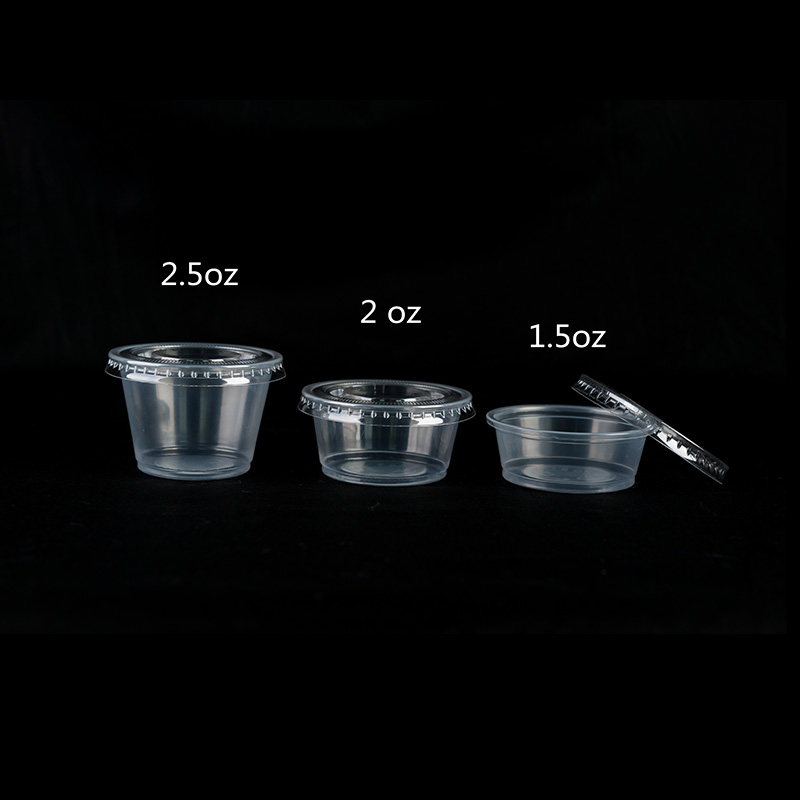
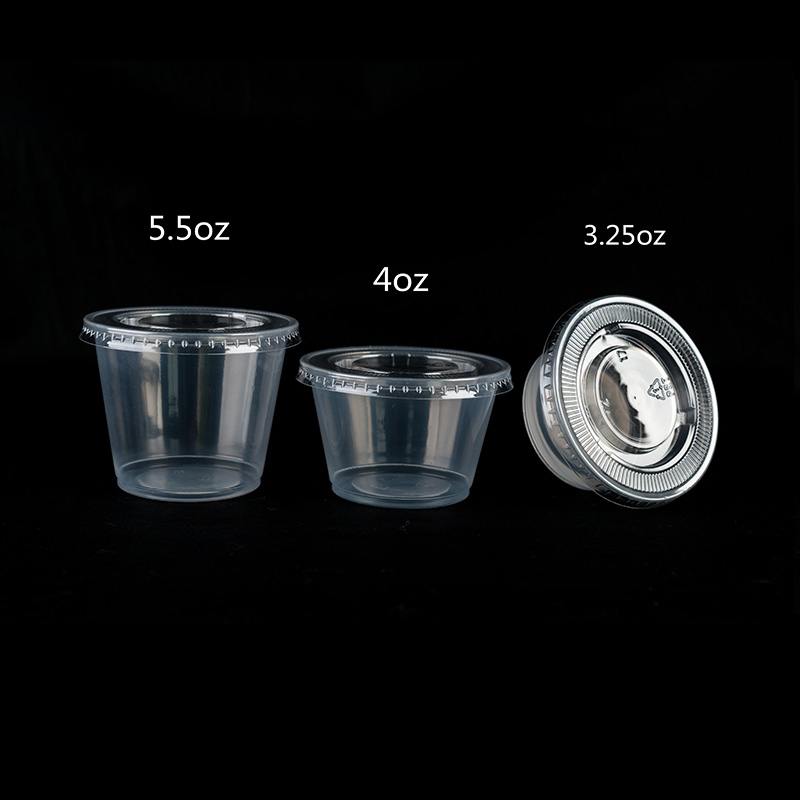
Market trends suggest that customization is becoming more accessible for round plastic containers. Improved mold technology and flexible production systems allow manufacturers to offer various sizes, lid styles, and surface finishes. This flexibility benefits both large brands and smaller businesses seeking packaging solutions aligned with specific product needs. Customization supports differentiation while maintaining the core advantages of a round shape.
The round plastic container is expected to maintain its relevance in packaging markets worldwide. Ongoing improvements in material performance, design efficiency, and recycling compatibility continue to shape product development. Industries continue seeking packaging solutions that balance practicality, visual appeal, and operational efficiency, and the round plastic container remains a reliable option across diverse applications.