

 English
 عربى
عربى
Custom plastic cups have become an increasingly visible part of the global beverage packaging landscape. From coffee shops and juice bars to promotional events and large-scale food service operations, these cups are used to support branding, portion control, and practical drink service. Their growing presence reflects changes in consumer behavior, marketing strategies, and packaging expectations across different regions.
One of the main drivers behind the demand for custom plastic cups is brand differentiation. Beverage businesses aim to present a consistent visual identity, and customized cup designs help reinforce logos, color schemes, and messaging. Printed graphics, measurement markings, and surface textures allow businesses to communicate directly with consumers at the point of use. This visual connection plays a role in customer recognition, especially in takeaway and delivery scenarios, where packaging often becomes the primary brand touchpoint.
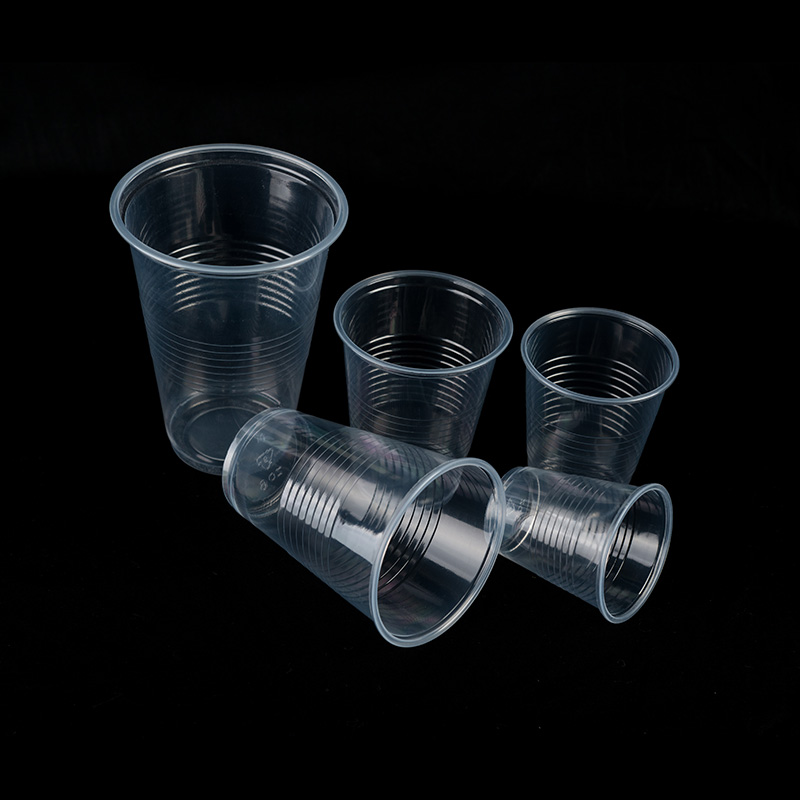
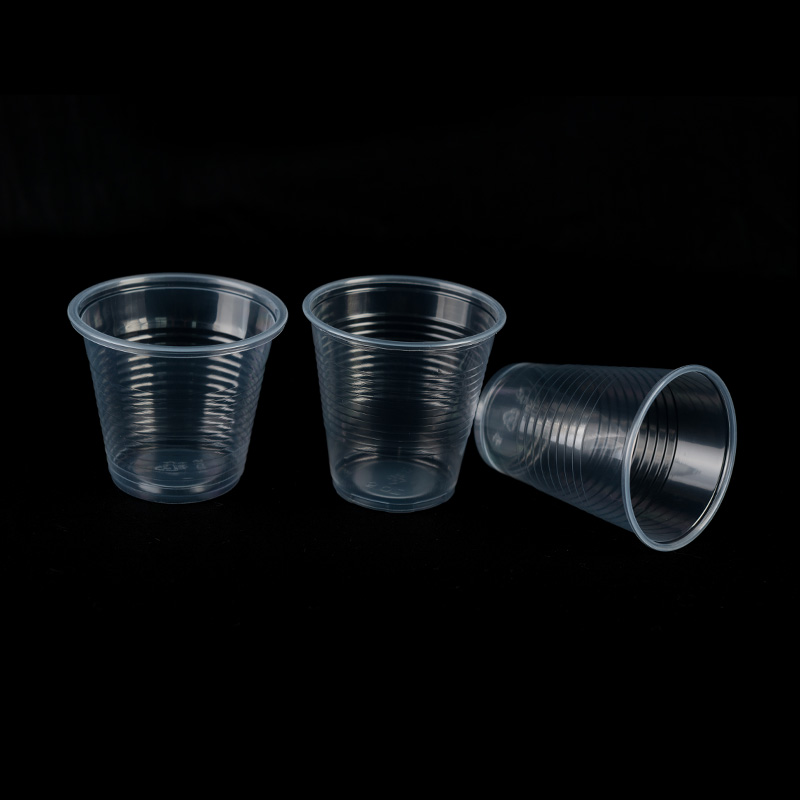
Material selection remains a key consideration in the production of custom plastic cups. Common materials such as PET and PP are widely applied due to clarity, durability, and adaptability to various drink temperatures. Clear custom plastic cups allow beverages to remain visible, supporting product presentation for cold drinks, smoothies, and specialty teas. For hot beverages, materials designed to maintain structural stability are often preferred. These material choices help ensure that customization does not interfere with functional performance.
Manufacturing processes for custom plastic cups continue to evolve. Advances in printing technology enable more precise graphics and longer-lasting ink adhesion. In-mold labeling and digital printing methods help improve design consistency while supporting flexible order volumes. This flexibility allows small businesses and large beverage chains to access customized packaging without excessive times. Improved production efficiency also helps manufacturers meet seasonal demand fluctuations.
Sustainability considerations are shaping how custom plastic cups are designed and produced. Many manufacturers are focusing on lightweight designs that reduce material usage per cup. Recyclable materials and clear labeling are increasingly incorporated to support waste management systems. Some custom plastic cups include recycled content, which aligns with broader packaging trends aimed at resource efficiency. These developments reflect efforts to balance branding goals with environmental responsibility.
Custom plastic cups are also expanding across different application scenarios. In addition to traditional beverage outlets, they are widely used in exhibitions, festivals, corporate events, and sports venues. Event organizers value customization for sponsorship visibility and drink identification. Standardized cup sizes combined with custom graphics help streamline service operations while maintaining a unified appearance, improving crowd management efficiency and supporting faster beverage distribution during peak periods.
Food delivery and takeaway services further contribute to the demand for custom plastic cups. Sealed lids, compatible cup shapes, and durable materials help reduce spills during transport. Custom printing supports brand exposure beyond physical store locations, extending visibility into homes and workplaces. This extended reach makes custom plastic cups part of a broader marketing and service strategy.
Market dynamics indicate that customization is no longer limited to large-volume buyers. Improved production methods allow smaller batch orders, making custom plastic cups accessible to independent cafes and local beverage brands. This accessibility supports diversity in packaging design and encourages experimentation in visual presentation, seasonal themes, limited promotions, short-term campaigns, and regional branding concepts across competitive beverage markets.