

 English
 عربى
عربى
Plastic beverage cups remain an essential packaging choice across the global beverage industry. Their lightweight structure, consistent shape, and adaptability to different drink types make them widely adopted in both developed and emerging markets.
Manufacturers of plastic beverage cups have focused on improving product consistency, material efficiency, and compatibility with automated filling systems. These developments help beverage producers maintain stable output levels while meeting changing market expectations. The steady demand for ready-to-use drink containers keeps plastic beverage cups relevant in a competitive packaging environment.
Material Development and Manufacturing Trends
Material selection plays a central role in the performance of plastic beverage cups. Common materials such as PET, PP, and PS are widely used due to clarity, rigidity, and ease of processing. PET cups are often chosen for cold beverages due to their transparency and clean appearance, which helps showcase the drink inside. PP cups are frequently applied for hot drinks because of heat resistance and stable form.
Manufacturing processes continue to advance, focusing on precision molding and reduced material waste. Improved mold design and temperature control allow plastic beverage cups to maintain uniform thickness and reliable rim quality. This consistency supports better lid sealing and reduces leakage during transportation or consumer use.
Automation has also become more common in production lines. High-speed thermoforming and injection molding systems help producers achieve stable output while managing labor costs. These technical improvements allow manufacturers to respond to large-volume orders from beverage chains, food delivery platforms, and event organizers.
Sustainability Efforts and Market Adaptation
Environmental considerations increasingly influence decisions related to plastic beverage cups. Many producers are exploring recyclable materials and lightweight designs to reduce material consumption per unit. Recyclable PET cups, for example, support existing recycling streams in many regions and align with waste reduction goals.
Another approach involves using post-consumer recycled content in plastic beverage cups. This method helps lower the demand for virgin materials and supports circular economy initiatives. Clear labeling and standardized cup designs also assist recycling systems in sorting and processing used cups more efficiently.
Reusable plastic beverage cups are gaining attention in specific scenarios such as festivals, stadiums, and closed-loop catering environments. These applications show how plastic cup design can adapt to different usage models while maintaining practical performance.
Application Expansion Across Beverage Categories
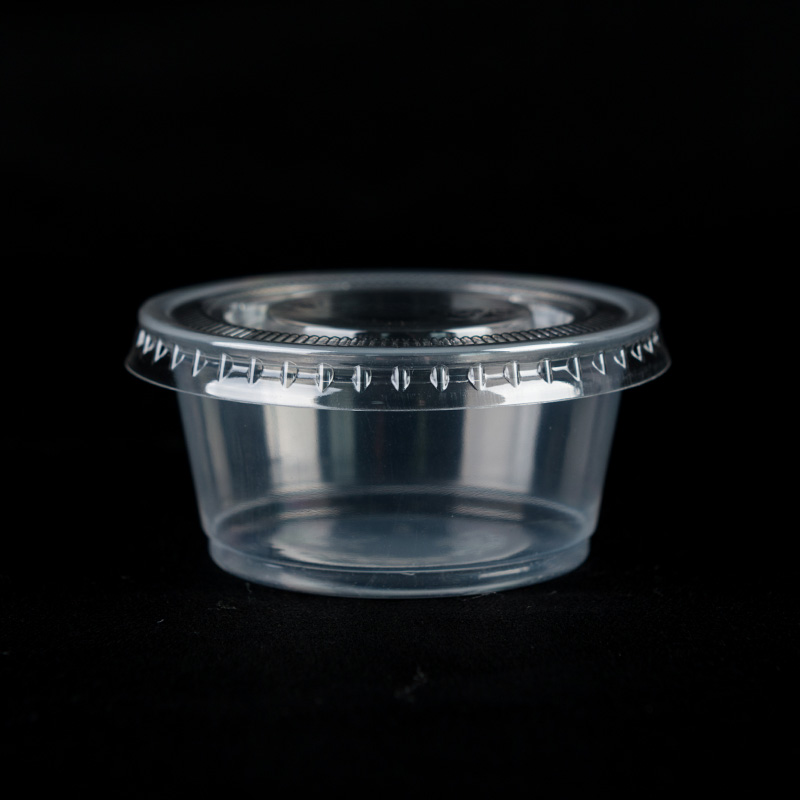
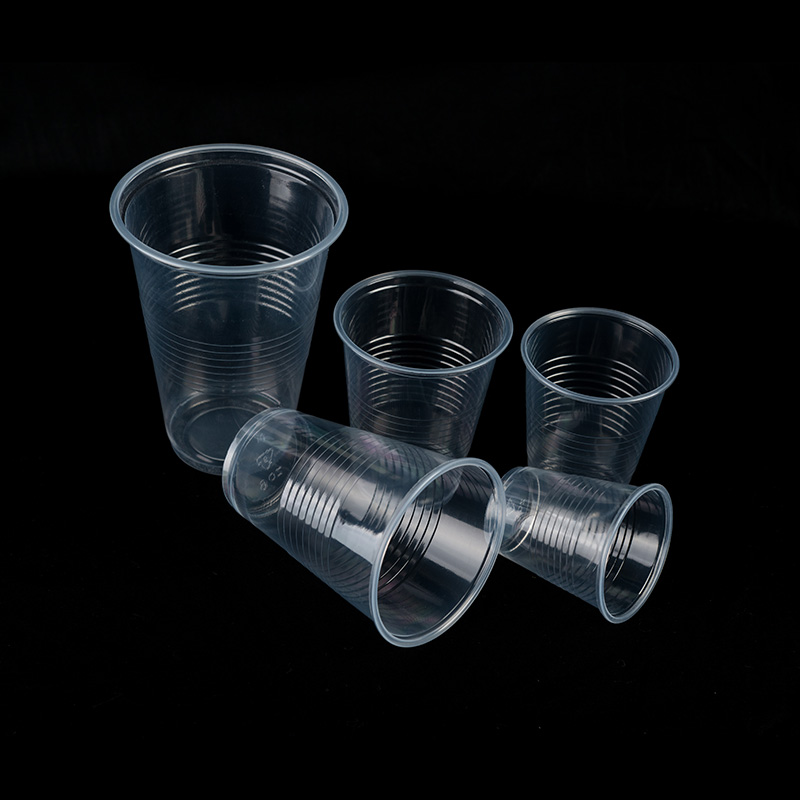
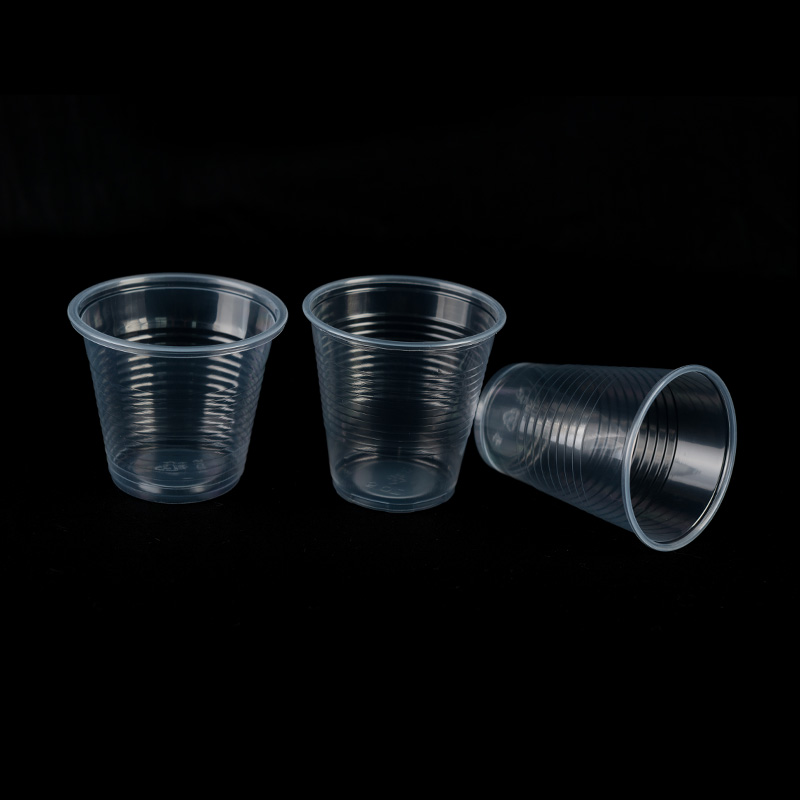
The application range of plastic beverage cups continues to expand across multiple drink categories. Cold beverages such as iced coffee, milk tea, smoothies, and soft drinks represent a major share of usage. Transparent plastic beverage cups enhance visual appeal, which supports branding and product presentation in retail settings.
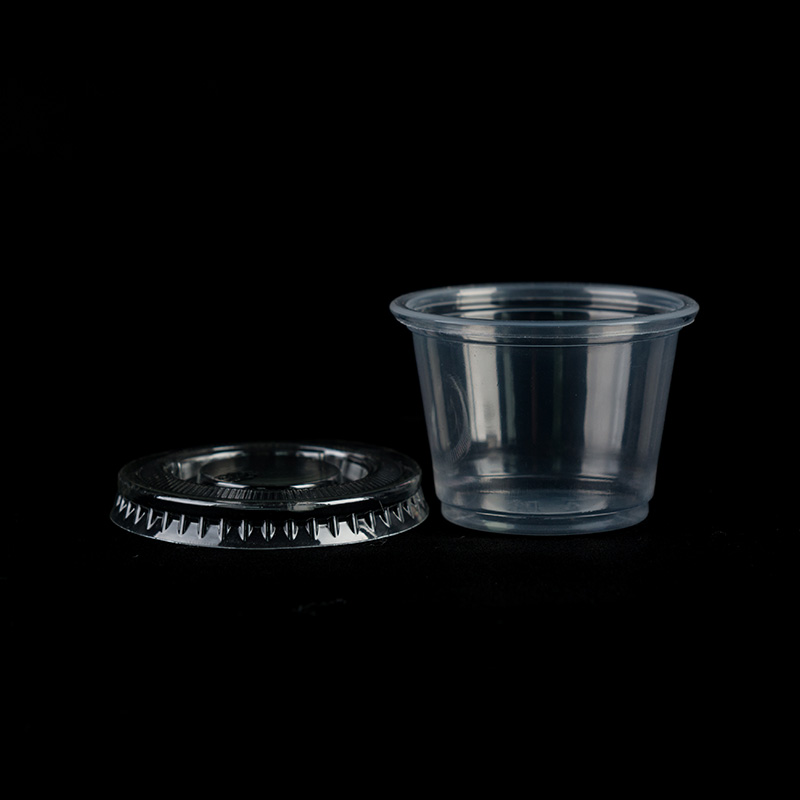
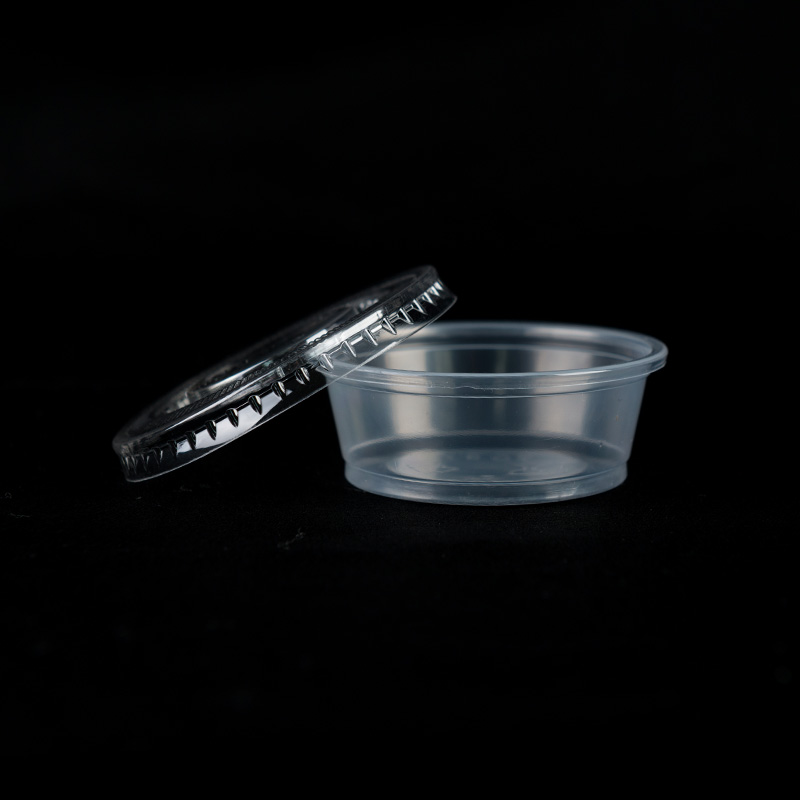
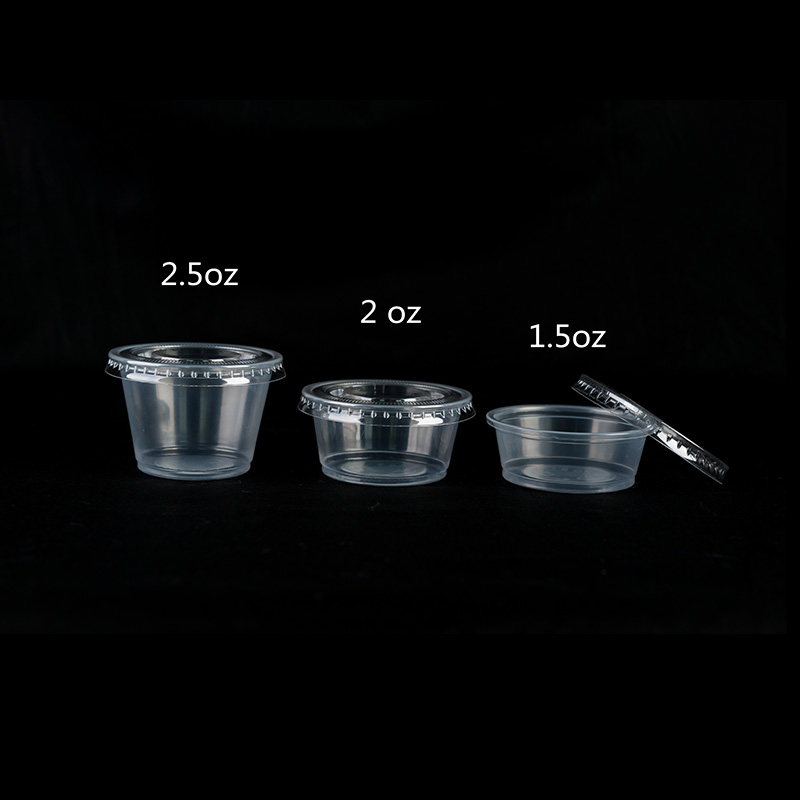
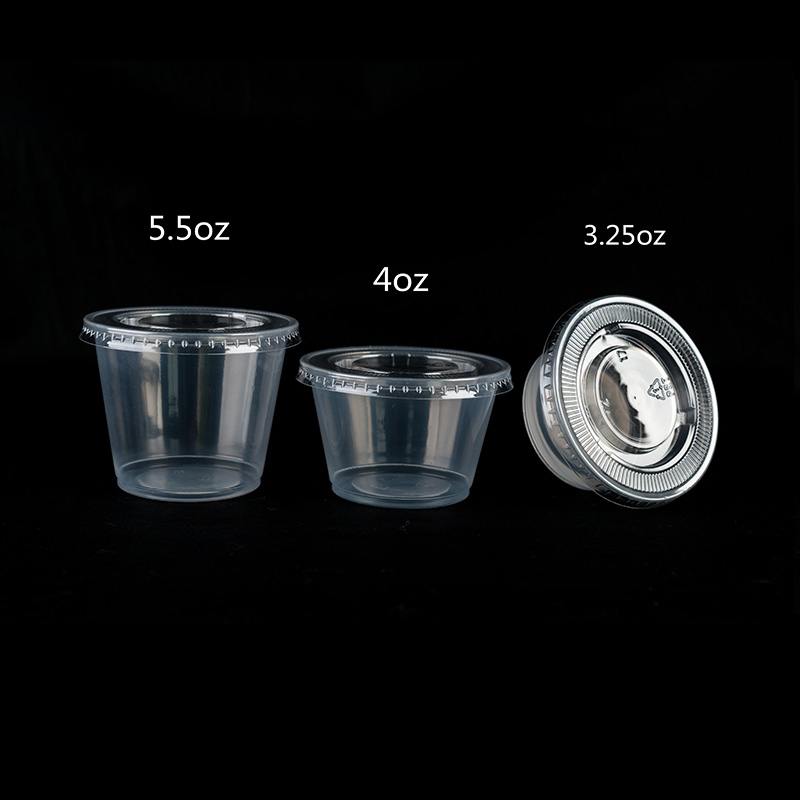
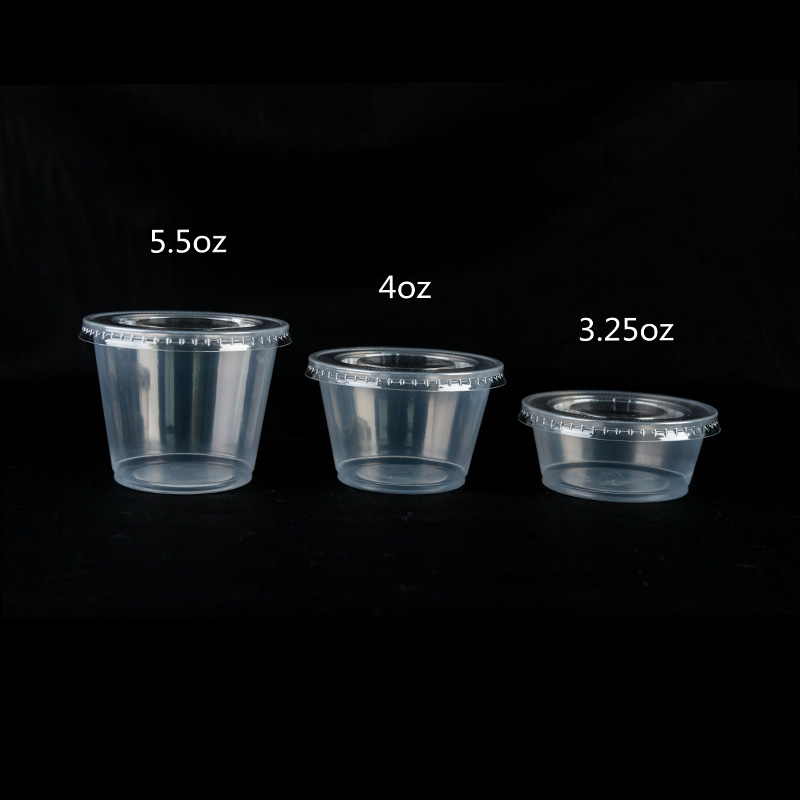
In food service environments, standardized cup sizes help businesses manage inventory and portion control. Plastic beverage cups are available in various capacities, supporting flexible menu design for cafes, fast-food outlets, and convenience stores. Compatibility with sealing films and lids also supports takeaway and delivery services.
Event catering and public venues rely on plastic beverage cups for efficient service and easy handling. Their stackable design reduces storage space and improves logistics efficiency. This practicality contributes to continued demand across seasonal events and large gatherings.
Outlook for Plastic Beverage Cups in the Coming Years
Looking ahead, plastic beverage cups are expected to maintain a stable position in the beverage packaging market. Ongoing improvements in material technology, production efficiency, and recycling compatibility support long-term usage. Manufacturers are likely to focus on balancing functionality, cost control, and environmental responsibility.
Plastic beverage cups will continue adapting to new drink formats, branding needs, and regulatory expectations. Their role in supporting convenient, hygienic, and scalable beverage service ensures continued relevance across global markets.