

 English
 عربى
عربى
Growing Presence in Prepared Food Markets
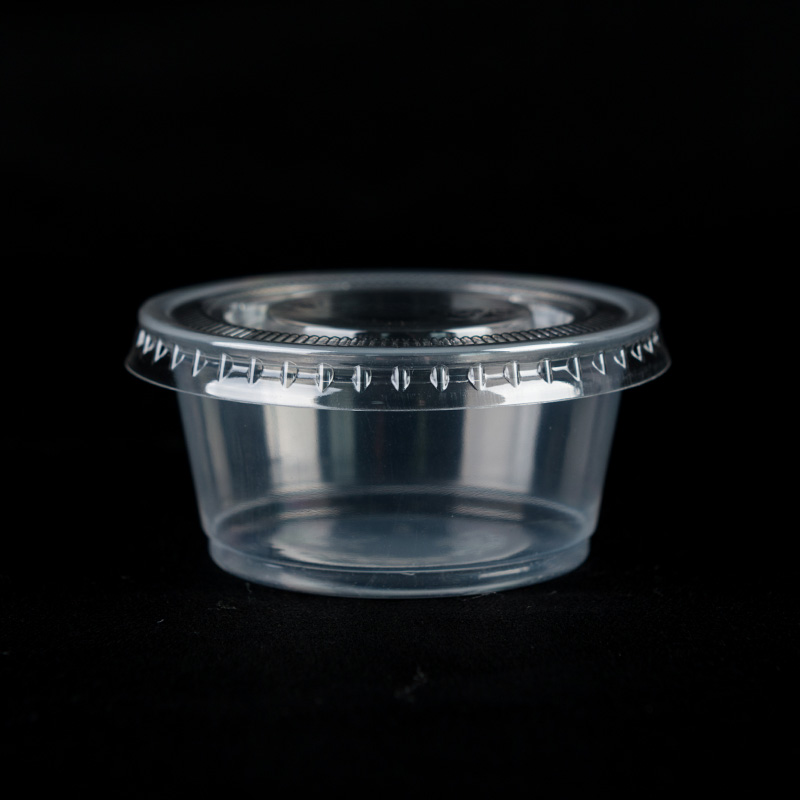
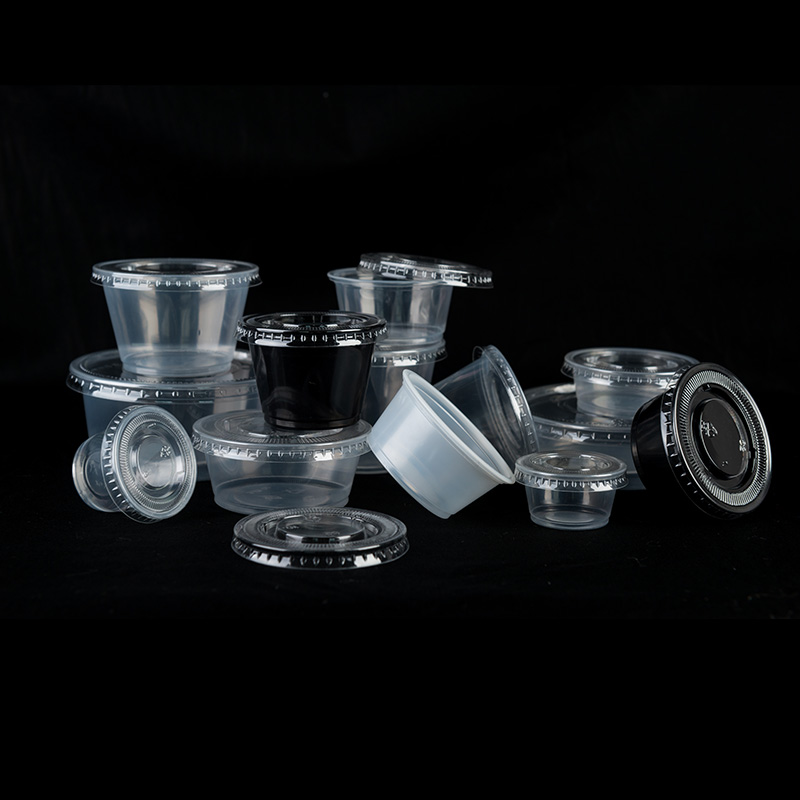
Deli cup container products maintain a consistent role in supermarkets, convenience stores, and specialty food shops. Prepared salads, sliced fruits, sauces, dips, and desserts frequently rely on deli cup container packaging to present items clearly and securely. Transparent walls allow customers to view contents directly, supporting informed purchasing decisions.
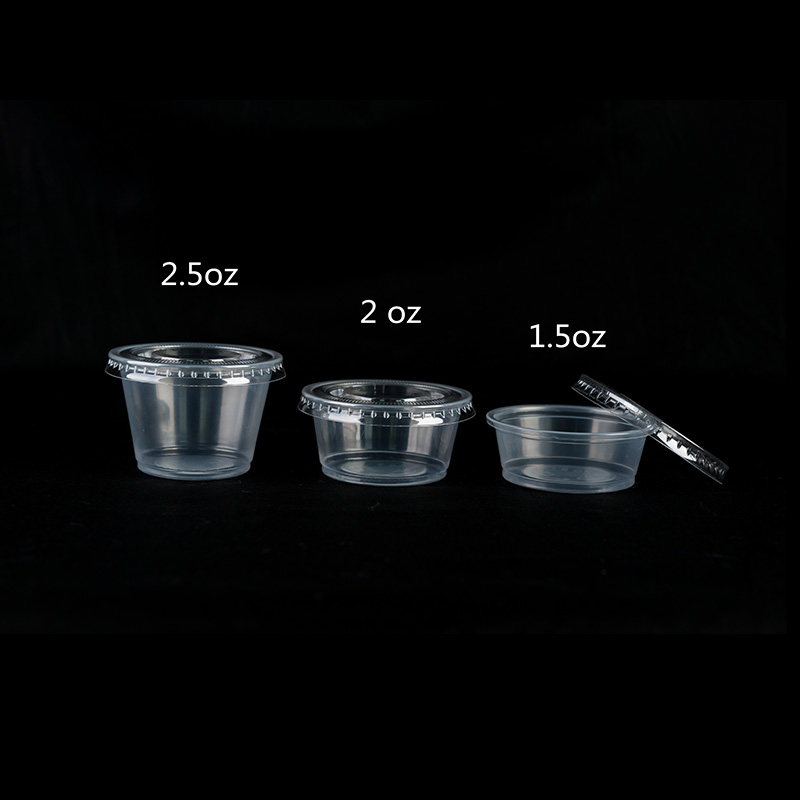
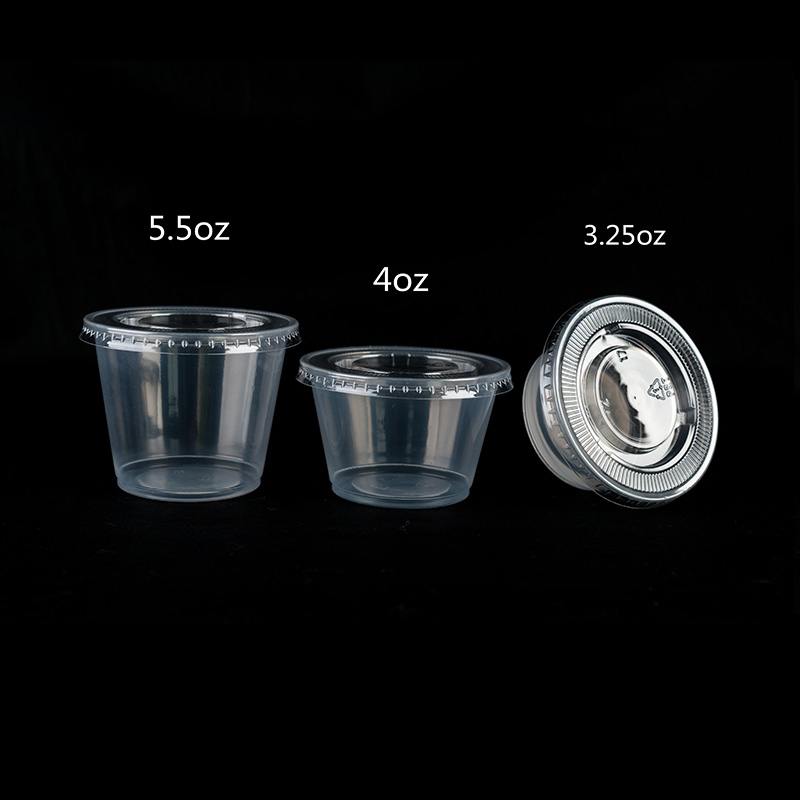
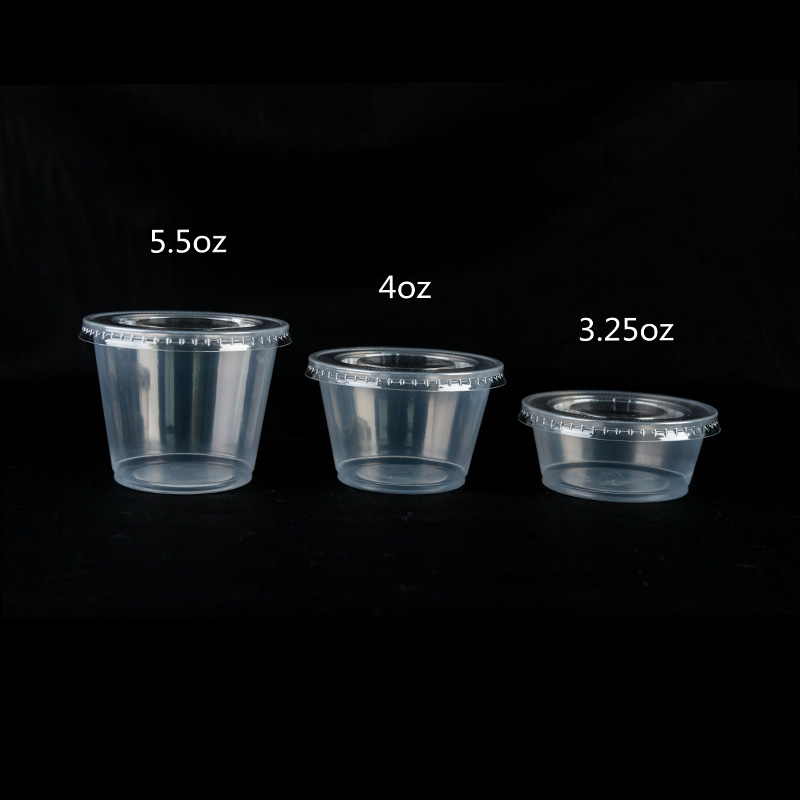
Grocery retailers appreciate standardized sizing options that simplify shelf arrangement. Common capacities such as 8-ounce, 16-ounce, and 32-ounce deli cup container formats enable flexible merchandising strategies. Clear labeling surfaces provide space for ingredient lists, pricing, and branding elements, ensuring compliance with retail requirements.
Food counters inside supermarkets often depend on deli cup container packaging during peak service hours. Staff can portion items quickly and seal containers efficiently, helping maintain steady service flow. The compact footprint of these containers supports organized display inside refrigerated cases.
Structural Features and User Convenience
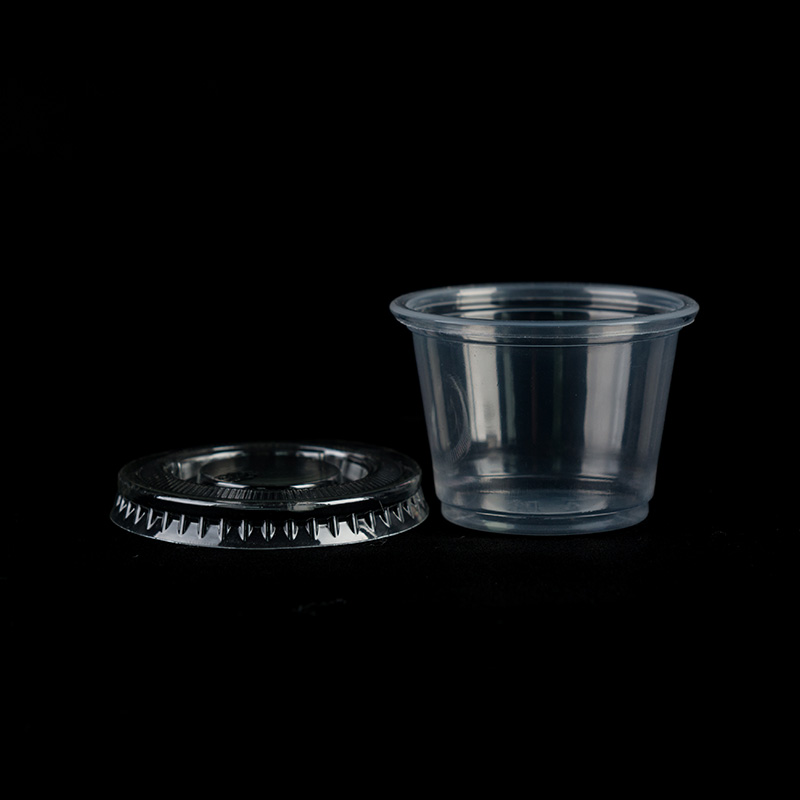
Deli cup container design emphasizes durability and ease of handling. Secure snap-on lids create tight seals that reduce leakage during transport. Raised lid centers in certain models allow stacking without crushing contents, preserving product presentation inside retail displays.
Measurement markings molded into container walls assist food preparers in portion control. This feature proves useful in catering kitchens and meal prep operations, where consistent serving sizes contribute to cost management. Clear sidewalls also enable customers to assess freshness and texture before purchase.
Microwave compatibility in selected deli cup container products expands usage scenarios. Consumers reheating soups or leftovers value containers that tolerate moderate heat levels. Smooth interior surfaces facilitate easy cleaning when containers are reused in household settings.
Portability remains another key advantage. Compact deli cup container sizes fit conveniently into lunch bags and insulated carriers. Secure lids reduce the risk of spills during commuting or school transport, supporting everyday convenience for families and office workers.
Commercial Applications Across Food Segments
Restaurants, catering services, and takeout counters frequently incorporate deli cup container packaging into daily operations. Sauces, dressings, and condiments are often portioned into small containers that accompany main dishes. This approach helps maintain flavor separation and simplifies distribution during busy periods.
Meal kit providers also rely on deli cup container formats to package ingredients separately. Clear differentiation between chopped vegetables, grains, and protein components enhances organization inside delivery boxes. Standardized shapes simplify packing procedures in assembly lines.
Wholesale distributors supply deli cup container products in bulk quantities to support institutional buyers such as schools, hospitals, and event venues. Bulk packaging options align with operational needs where high turnover rates require consistent inventory replenishment.
Convenience stores often display ready-to-eat snacks in refrigerated sections using deli cup container packaging. Layered parfaits, pasta salads, and cut fruit cups benefit from transparent presentation that highlights freshness and color contrast. Visual appeal influences impulse purchases in fast-paced retail environments.
Manufacturing Processes and Distribution Systems
Production of deli cup container products typically involves precision thermoforming or injection molding techniques. Controlled temperature settings and calibrated molds help maintain consistent wall thickness and lid fit. Quality inspections evaluate clarity, structural stability, and sealing performance before items enter distribution channels.
Logistics networks connect manufacturing facilities to regional warehouses and retail partners. Efficient stacking designs reduce storage volume during shipping. Clearly printed carton labels assist distributors in tracking batch numbers and capacity specifications.
Inventory management systems in supermarkets rely on standardized packaging dimensions to streamline shelf stocking. Deli cup container products designed for compatibility with common display racks simplify restocking procedures and maintain organized presentation.
Deli cup container packaging continues to support diverse food categories in retail and food service settings. Its combination of clarity, practicality, and consistent sizing contributes to efficient operations across grocery stores, catering kitchens, and takeout counters.