

 English
 عربى
عربى
Expanding Demand Across Social Occasions
Plastic party cups continue to hold a steady presence in event supply markets. Birthday parties, corporate gatherings, music festivals, school functions, and family reunions frequently rely on plastic party cups to manage beverage service efficiently. Event organizers often prioritize items that simplify preparation and cleanup, and plastic party cups fit naturally into that strategy. Their lightweight structure allows hosts to transport large quantities without difficulty, supporting events of varying sizes.
Color variety and print customization contribute to the popularity of plastic party cups. Solid shades, transparent finishes, and themed graphics help match decoration styles for weddings, holiday celebrations, and promotional campaigns. Coordinated cup designs often enhance table settings and photo displays, encouraging guests to share event images online. Branding opportunities also play a role in corporate settings, where logos and slogans printed on plastic party cups strengthen visual identity during product launches or networking events.
Retail distribution channels have adapted to meet this demand. Supermarkets, wholesale clubs, and online platforms frequently offer multi-pack options designed for both small gatherings and large-scale occasions. Bulk packaging reduces the need for repeated purchasing trips, which supports convenience for busy planners managing tight schedules.
Functional Design and Practical Performance
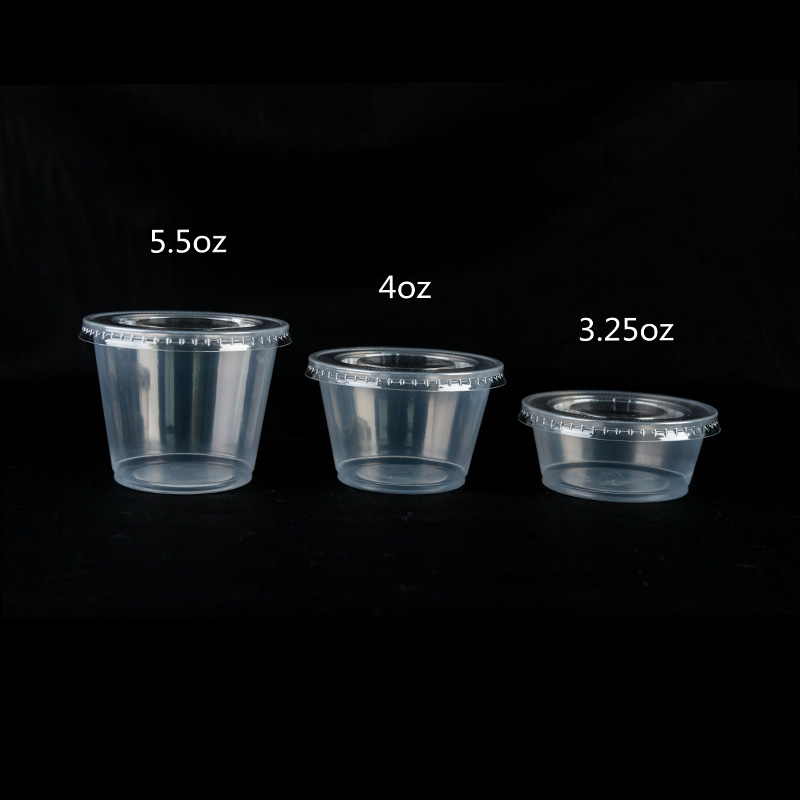
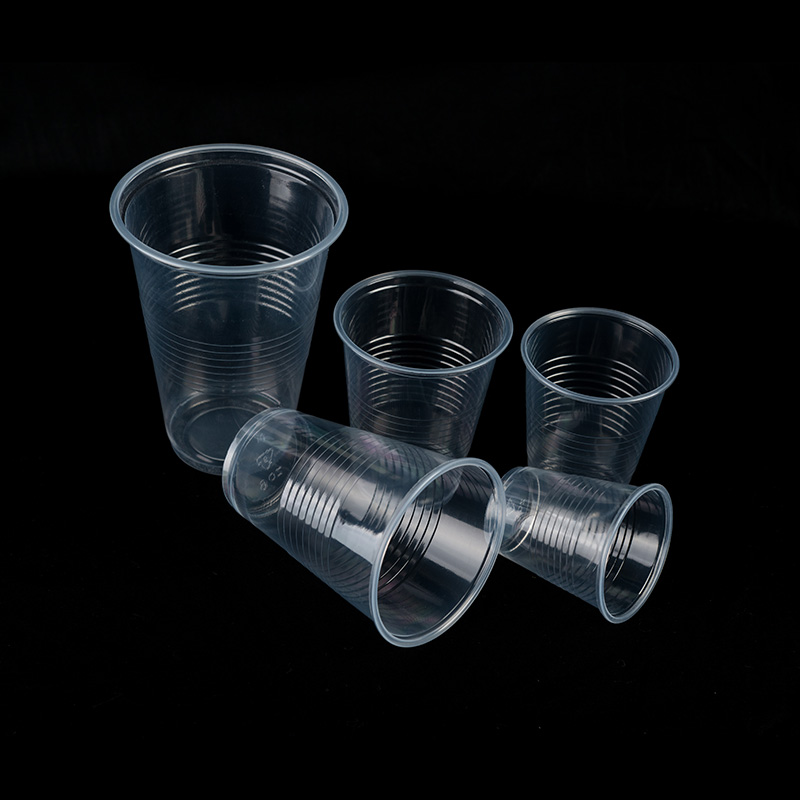
Beyond visual appeal, plastic party cups are valued for consistent performance. Standardized sizes, including 9-ounce, 12-ounce, and 16-ounce formats, accommodate soft drinks, juices, iced coffee, and mixed beverages. Graduated markings molded into certain designs assist in accurate portion control during beverage preparation, particularly in catering environments.
Rim strength and wall thickness influence user experience. Reinforced edges help prevent bending when guests hold cups for extended periods. Stable bases reduce tipping risks on crowded tables, especially during lively celebrations. These practical features contribute to smoother service flow and fewer interruptions during events.
Stackability further enhances functionality. Plastic party cups are typically engineered to nest securely, reducing storage space requirements before and during gatherings. Quick separation between cups helps volunteers or staff distribute drinks efficiently. In fast-moving environments such as festivals or sporting events, speed of service can significantly influence guest satisfaction.
Market Dynamics and Consumer Behavior
Shifts in consumer lifestyles have contributed to steady sales of plastic party cups. Informal entertaining has become increasingly common, encouraging hosts to seek disposable or semi-disposable tableware that simplifies cleanup. Smaller living spaces in urban areas often limit storage capacity for large quantities of traditional glassware, making plastic party cups a practical alternative.
Event rental companies frequently stock plastic party cups alongside plates, cutlery, and decorative items. Their inclusion in rental packages streamlines procurement for customers organizing milestone events. Schools and community organizations also rely on plastic party cups during fundraising activities and seasonal celebrations, where cost management remains an important consideration.
Online marketplaces have amplified product visibility. Detailed descriptions, capacity specifications, and user reviews allow buyers to compare options before placing orders. Social media content featuring themed parties often highlights table setups that incorporate coordinated plastic party cups, reinforcing their role in event aesthetics.
Production Standards and Industry Operations
Manufacturing processes for plastic party cups typically involve high-speed injection molding or thermoforming systems. Precision molds ensure consistent dimensions across production batches. Quality checks evaluate thickness, clarity, and rim smoothness to confirm compliance with food-contact standards.
Distribution networks connect factories to regional warehouses, wholesalers, and retailers. Efficient palletization techniques allow large quantities to move smoothly through supply chains. Clearly labeled cartons simplify inventory management at retail outlets and event supply stores.
In professional catering contexts, standardized cup sizes help staff plan beverage quantities accurately. Clear measurement lines in some models assist bartenders in mixing consistent drinks during large receptions. This practical detail reduces guesswork and maintains uniform presentation.