

 English
 عربى

Deli shops and food counters rely on simple tools that keep service moving smoothly. Among these everyday items, the deli cup container stands out for its straightforward design and everyday usefulness. These containers hold soups, salads, sides, and prepared foods in a way that supports quick service and easy handling for both staff and customers.
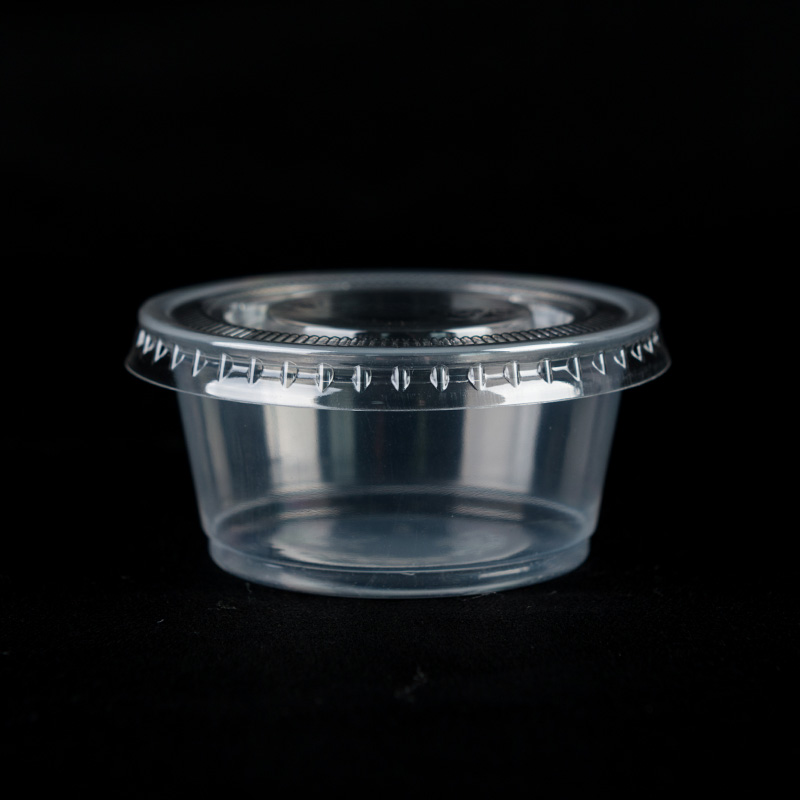
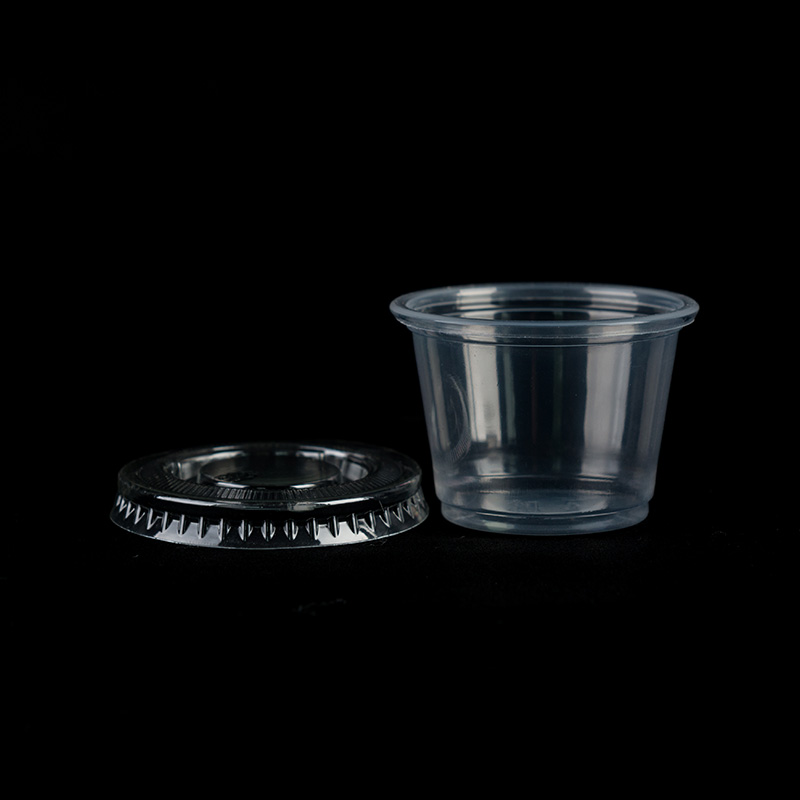
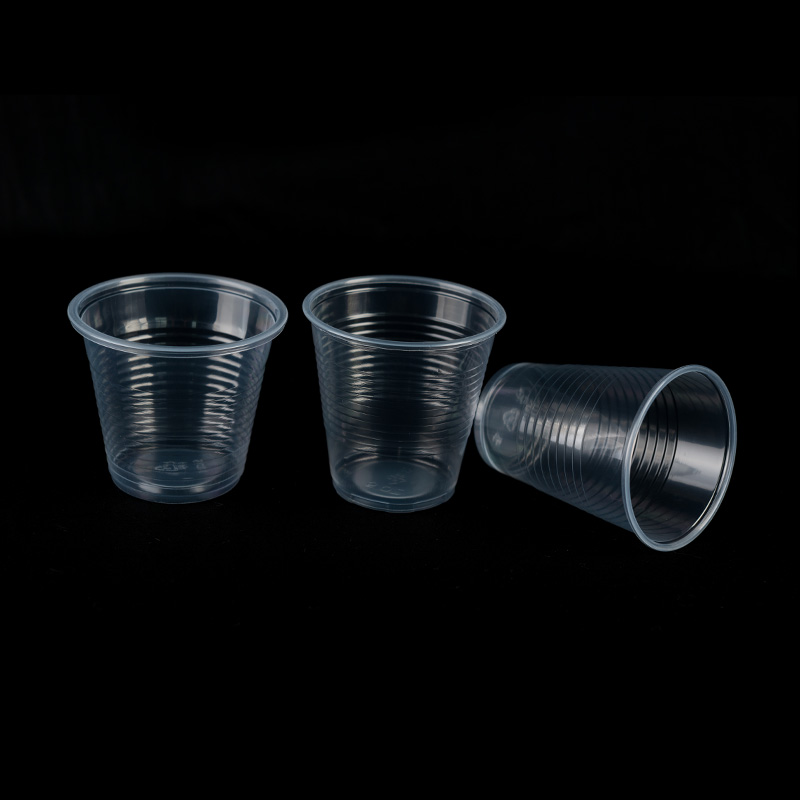
Understanding the basic role of a deli cup container helps explain why it appears so often behind the counter. It is a clear or translucent vessel, usually with a matching lid, sized for single portions. Staff portion food into it, seal it, and hand it over or place it in a display. The design focuses on function rather than flash, which keeps operations steady during busy hours.
Common Materials Used in Deli Cup Containers
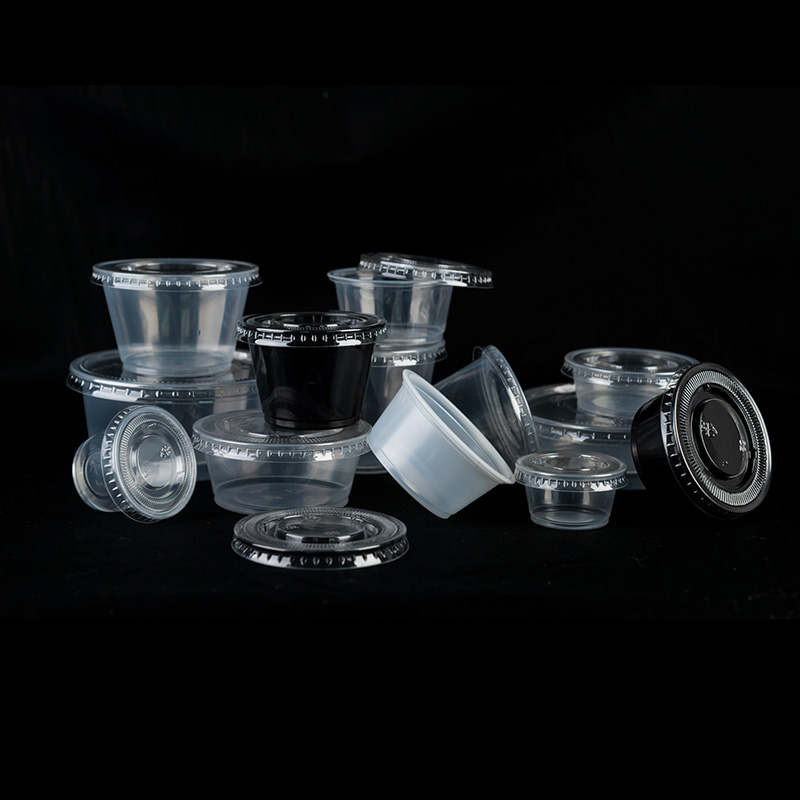
Most deli cup containers come in plastic or paper-based options. Clear plastic versions let customers see the contents right away, which helps with quick decisions at the counter. Paper styles offer a different feel and can suit certain menu items. Both types aim for sturdiness so the container holds its shape when filled with warm soup or chilled salad.
The walls need enough thickness to resist bending when someone picks it up. Lids usually snap or press on firmly to limit spills during transport. Some designs include a slight stackable shape so empty cups take less space in storage. These small details add up during a long shift when space and speed matter.
Everyday Uses Behind the Deli Counter
A deli cup container works well for portioned soups, coleslaw, potato salad, fruit cups, and even small pasta sides. Staff can pre-fill them during quieter moments and keep them chilled until ordered. When a customer asks for a side, the already-filled container moves quickly from fridge to bag.
Hot items such as chili or broth also fit these cups. The material handles moderate heat without warping in normal use. Cold foods stay neat because the tight lid reduces condensation and keeps the contents contained. This flexibility means one style of container can cover many menu items, simplifying inventory.
Customers appreciate the portability. A sealed deli cup container slips into a bag or sits steadily on a car seat. The clear sides let people check the contents without opening the lid, which is handy when deciding what to eat later.
Sizing and Shape Considerations
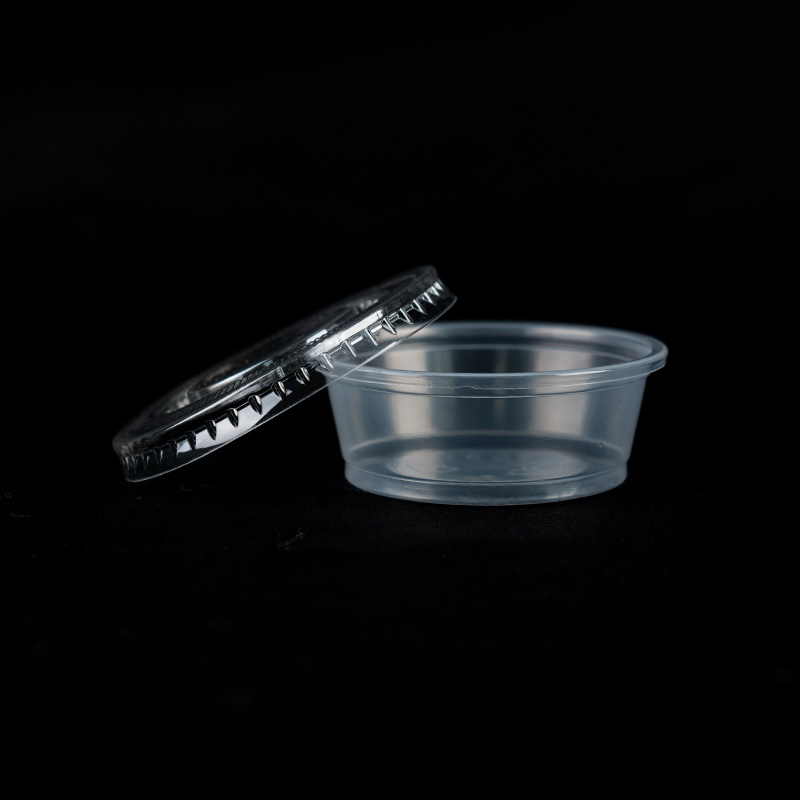
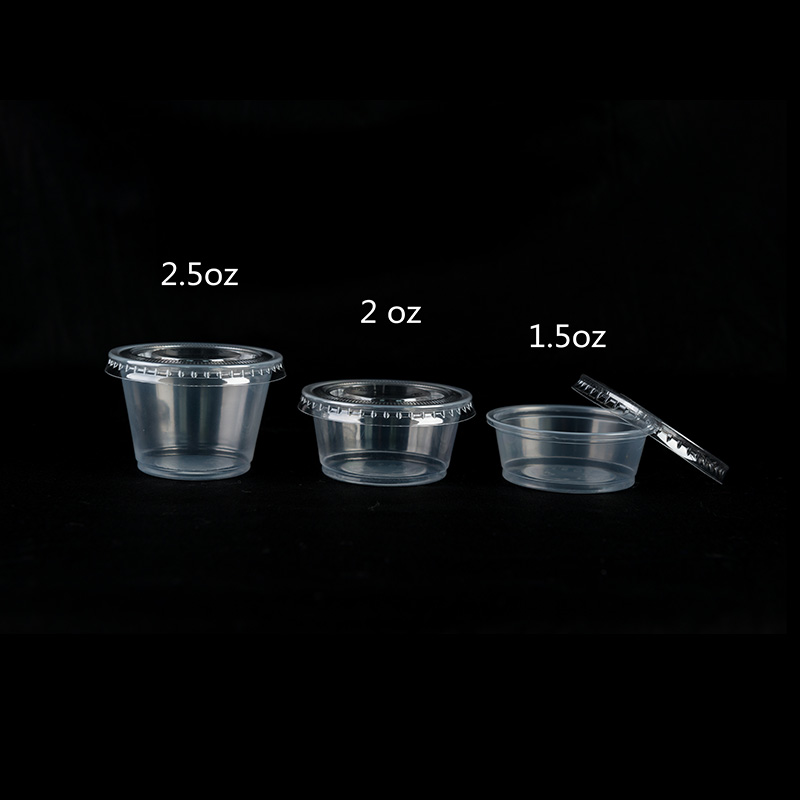
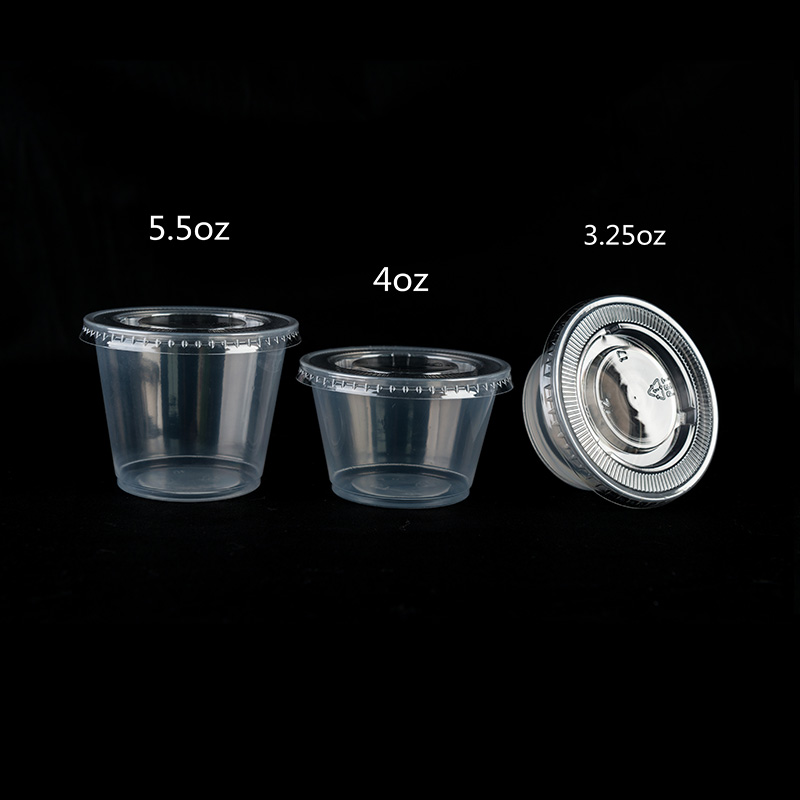
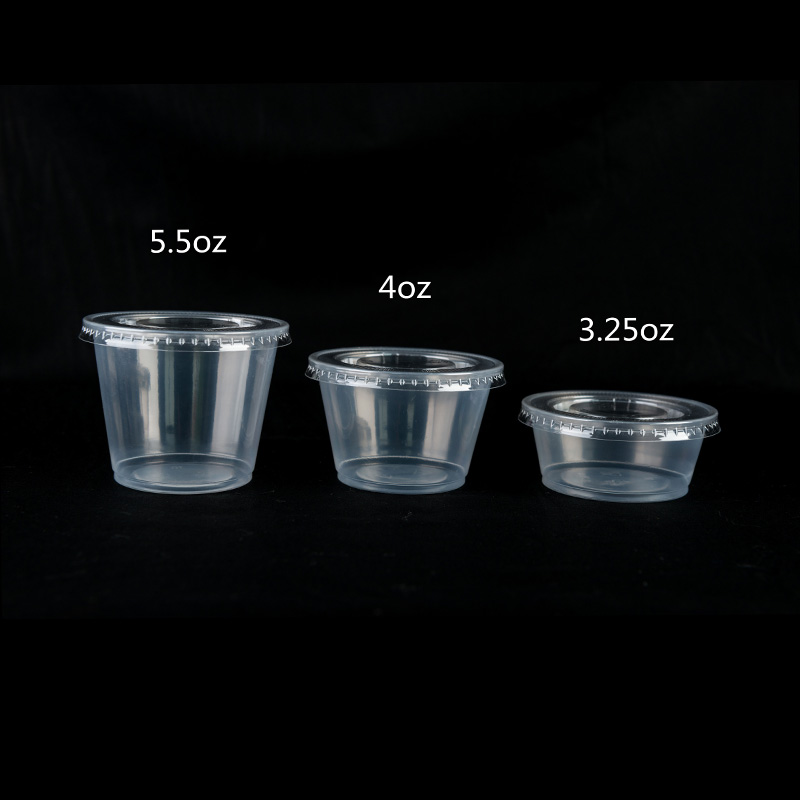
Deli cup containers come in a range of volumes. Smaller sizes suit sides and toppings. Larger ones handle main portions of soup or salad. The shape is often round with a wide mouth so staff can scoop food in easily and customers can eat directly from the cup if they wish.
A flat bottom helps the container sit securely on counters and in bags. Some versions taper slightly so they nest when empty, saving shelf space in the back room. Lids match the rim closely to create a reliable seal. These design choices support both efficiency and cleanliness throughout the day.
Why the Design Supports Smooth Service
The deli cup container succeeds because it removes friction. Portioning becomes faster. Transport becomes cleaner. Storage becomes simpler. Customers receive food that stays contained until they are ready to eat. Staff spend less time managing spills or searching for the right vessel.
In a busy deli the pace never really slows. Orders come in waves, and the tools that support that pace earn their place. A well-chosen deli cup container fits quietly into the workflow. It does not demand attention; it simply works when needed.
Different shops select slightly different styles based on their menu. A soup-focused counter may prefer deeper cups. A salad-heavy spot may favor wider, shallower ones. The shared goal remains the same: hold the food securely, show it clearly, and move it efficiently from prep to customer.