

 English
 عربى
عربى
Plastic containers have become a common part of daily routines for storing food, organizing household items, and supporting various industries. These items offer practical ways to keep goods safe during transport and storage. As consumer needs evolve, plastic containers continue to adapt to new requirements in homes, businesses, and supply chains.
Versatility Across Different Uses
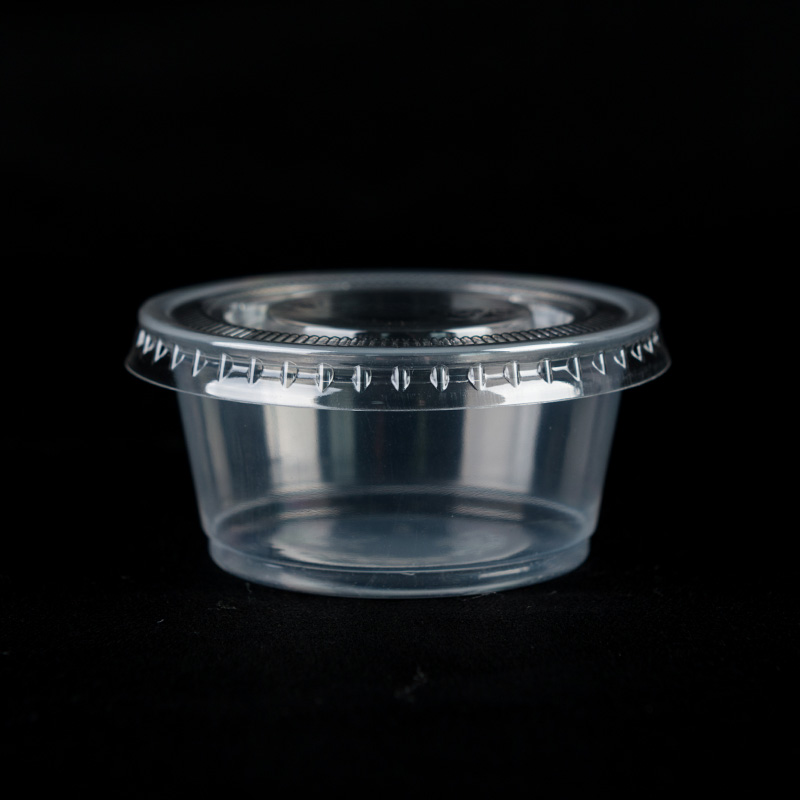
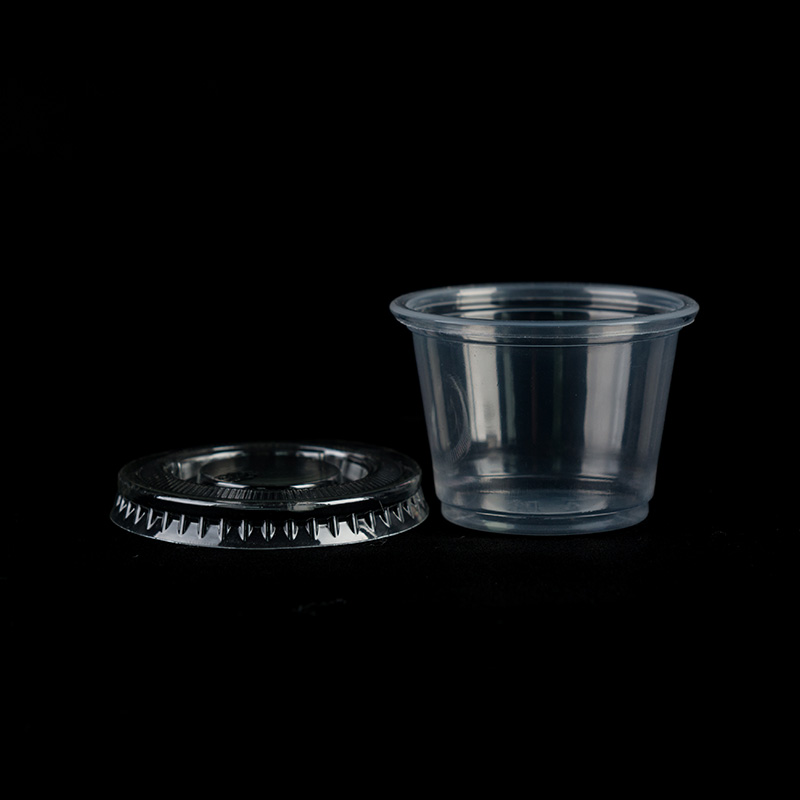
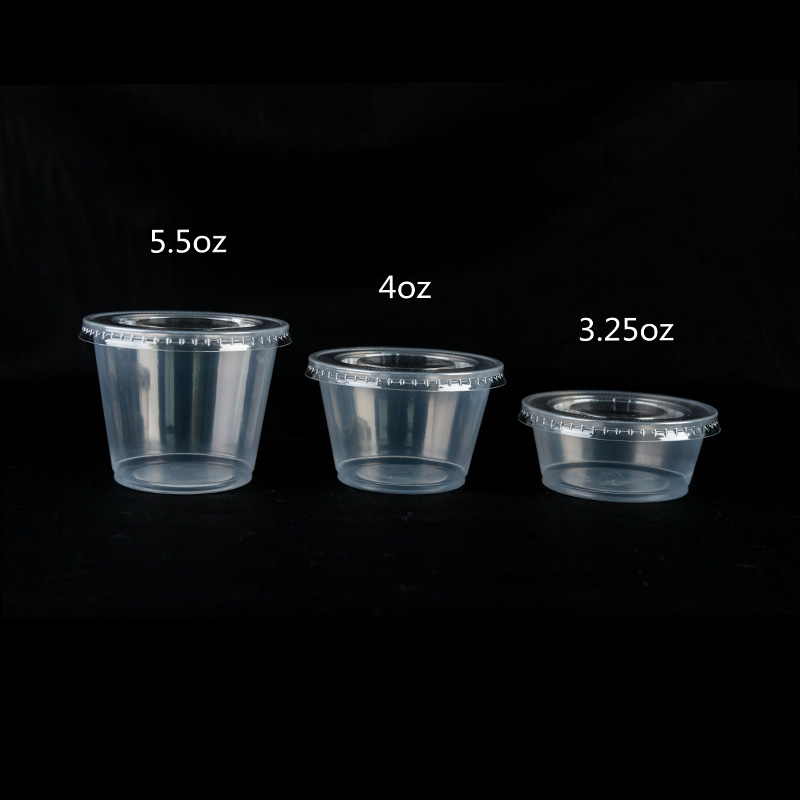
Plastic containers appear in many forms, from small food storage boxes to larger bins used in warehouses. They provide lightweight options that make handling easier for both individuals and companies. In kitchens, people rely on them to preserve leftovers and keep ingredients fresh for longer periods.
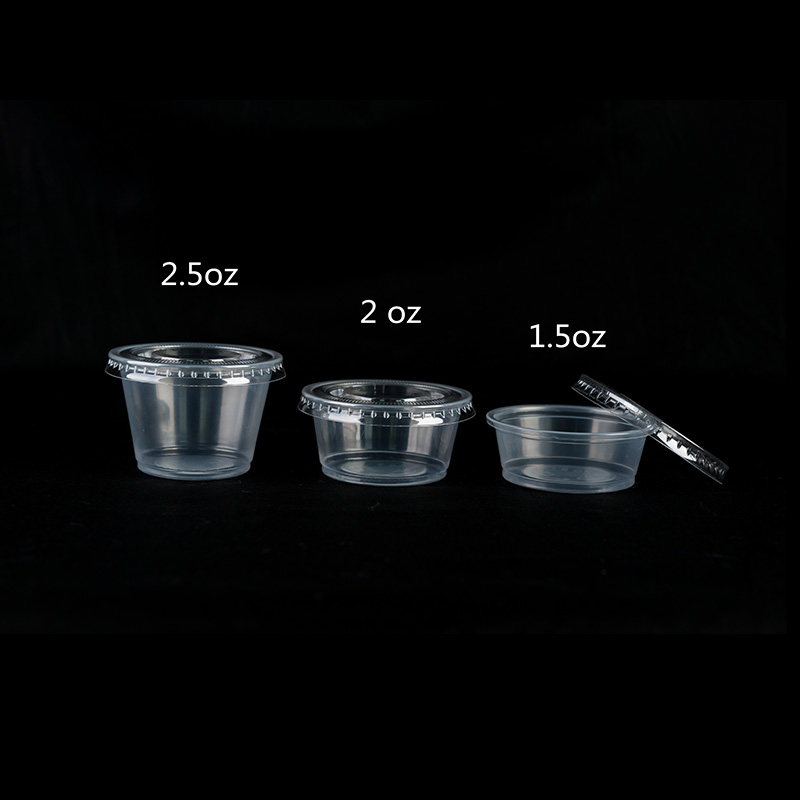
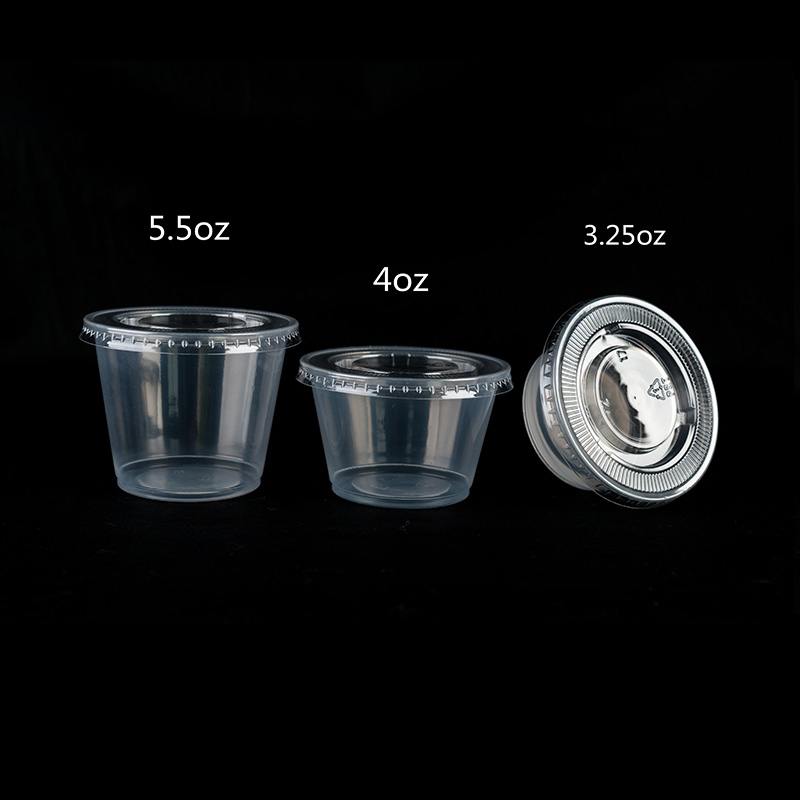
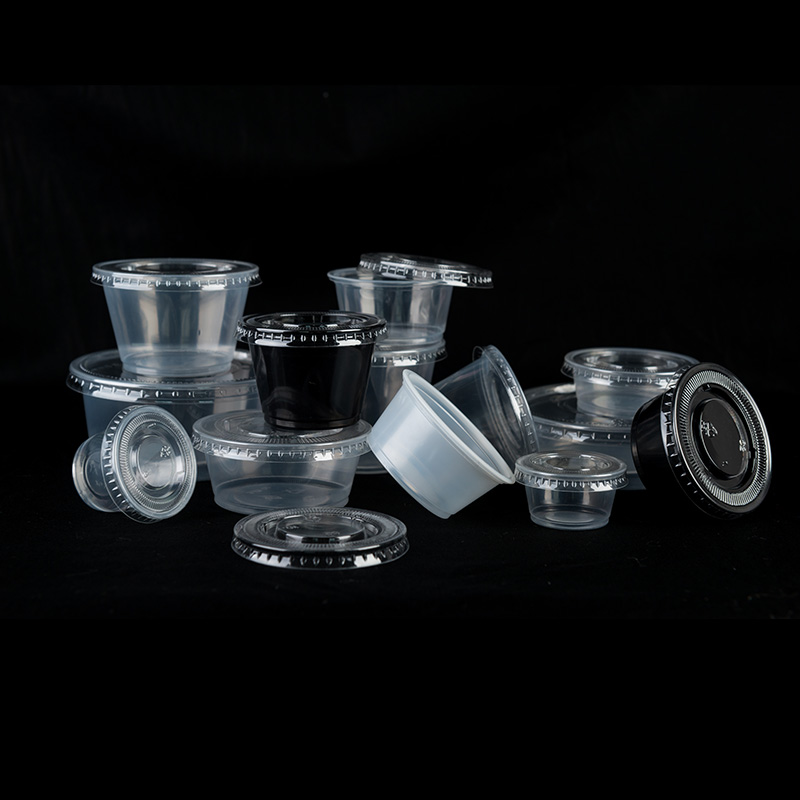
In retail settings, these containers help display products clearly while protecting them from damage. Manufacturers choose plastic containers for their ability to come in various shapes and sizes, fitting specific needs in sectors like healthcare, cosmetics, and electronics. This flexibility supports efficient space use and reduces the need for multiple packaging types. Many designs include secure lids that prevent leaks and maintain product quality during shipping.
Developments in Material and Design
Recent changes in plastic container production include the use of lighter materials that still hold up well under normal use. Companies are looking into different approaches to make containers more durable without needing as much raw material. This helps cut down on resource use while keeping the products reliable for everyday tasks. Some designs now come with handy stackable features, which make it easier to store them neatly in homes, offices, or busy commercial facilities without wasting valuable shelf space.
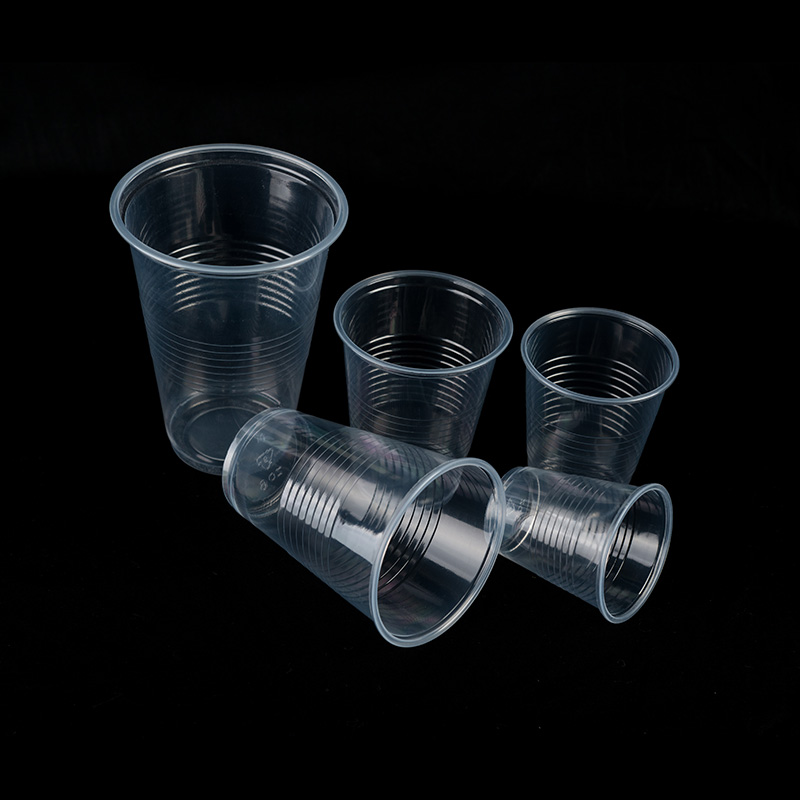
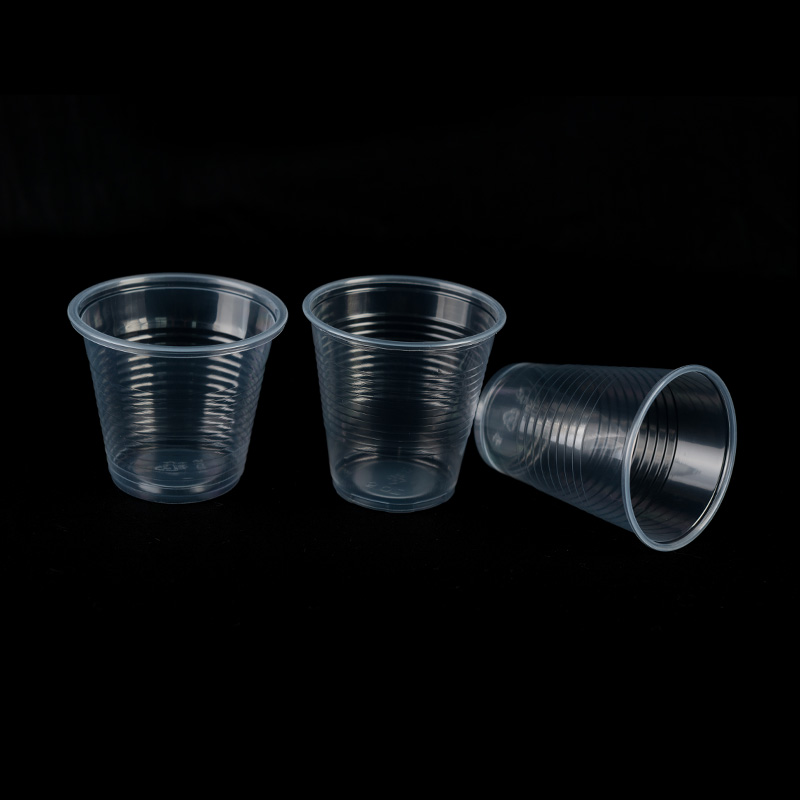
Clear plastic options let users quickly check what’s inside without removing the lid, saving time in fast-paced kitchens or workspaces. Manufacturers have also brought out containers that handle temperature changes effectively, making them suitable for microwave reheating or keeping items in the freezer. These practical touches fit right into routines around food preparation and weekly meal planning.
Beyond that, ongoing work between designers and material scientists continues to refine these products. They focus on creating containers that feel easy to handle, clean, and use over time. For instance, some newer versions include better grip textures or simple measurement markings on the sides. Such small improvements add up, offering better everyday performance while supporting more efficient production methods across the industry.
Applications in Supply Chains and Daily Life
Plastic containers support smooth operations in distribution networks by protecting goods from external factors during movement. In agriculture and food processing, they help maintain hygiene standards and extend shelf life for perishable items. Online retailers depend on sturdy containers to ensure products arrive in good condition.
At the household level, families use plastic containers for organizing closets, garages, and pantries. Their reusable nature provides value over single-use alternatives in many situations. Schools and offices incorporate them for storage and project management, showing their role across different age groups and settings.
The widespread availability of plastic containers makes them accessible for various income levels and business scales. Suppliers offer options that meet regulatory requirements in different regions, ensuring safety for food contact and other sensitive applications. This consistency builds confidence among users who depend on these products regularly.