

 English
 عربى
عربى
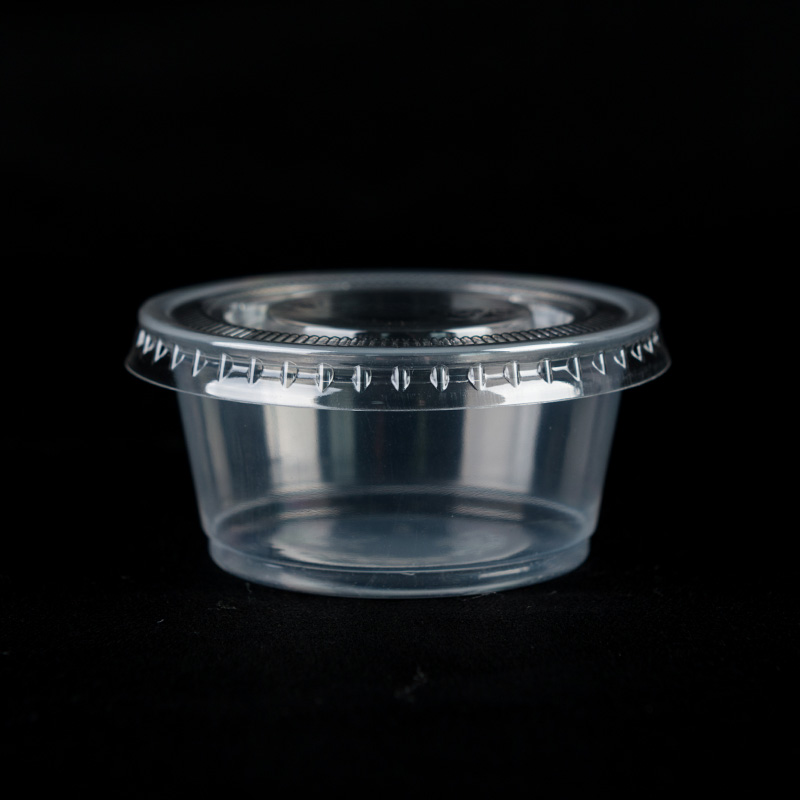
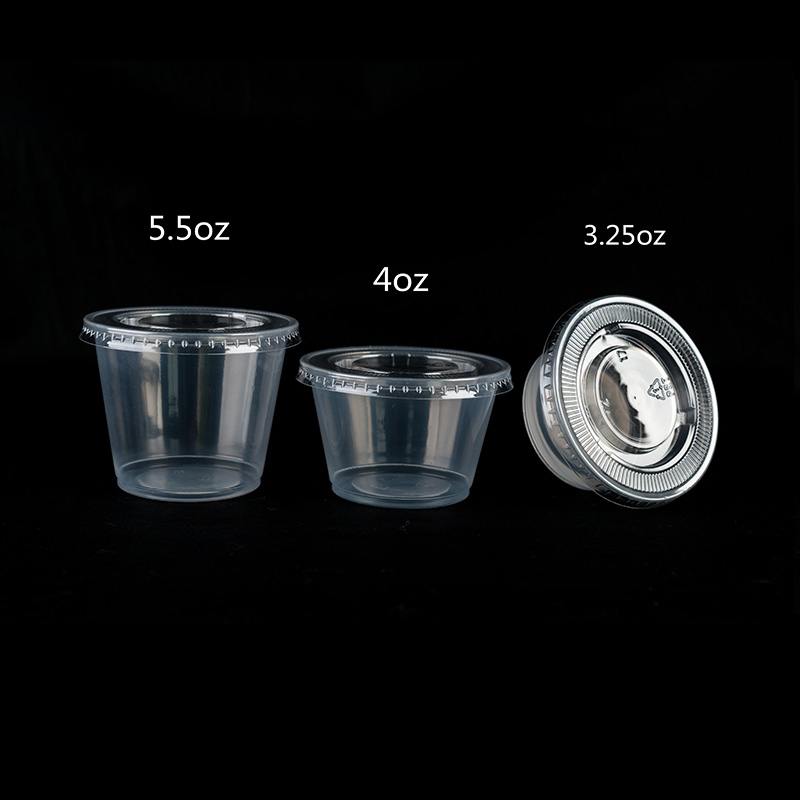
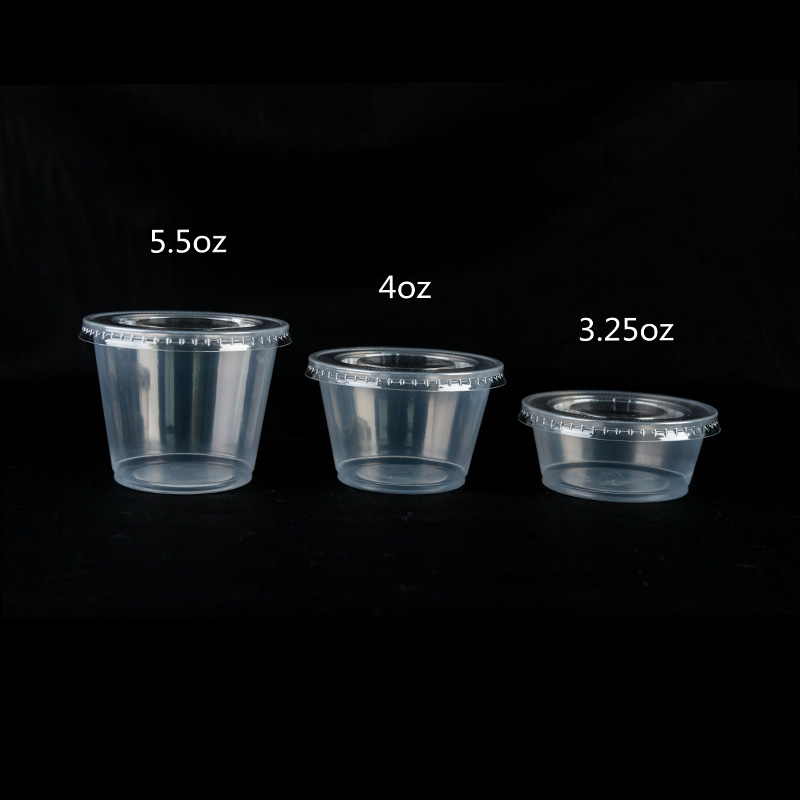
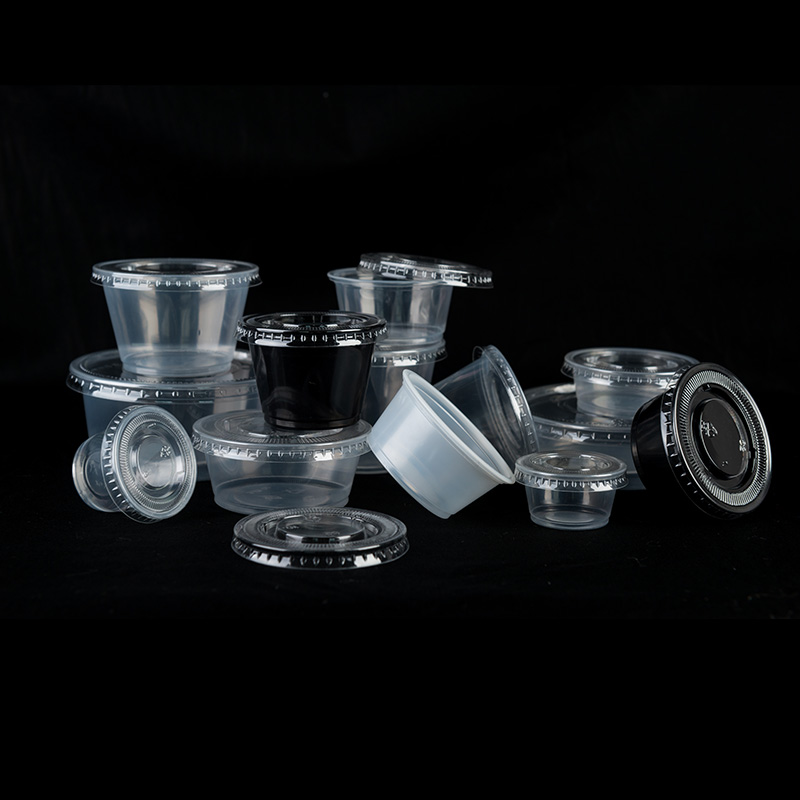
Plastic lids have become a familiar part of many products people use every day. These covers provide simple yet effective ways to seal containers for food, drinks, and other items. They help keep contents in place and support convenience across kitchens, stores, and workplaces. With various shapes and sizes available, plastic lids fit well into routines involving storage and transport.
Everyday Uses in Food and Drink Packaging
Plastic lids appear widely on cups, jars, and bowls in both home and commercial settings. In coffee shops and restaurants, they cover takeaway drinks to reduce spills during travel. Families often use lids on leftover containers to store meals in the refrigerator for short periods.
These lids also support portion control and easy carrying for snacks or salads. Manufacturers apply them to yogurt cups, sauce bottles, and ready-to-eat meals, allowing quick access while keeping items contained. In bakeries and delis, clear or colored lids help show contents at a glance without opening the package. This setup works well for both single servings and larger shared items, making distribution smoother in busy environments.
Design Features That Support Daily Handling
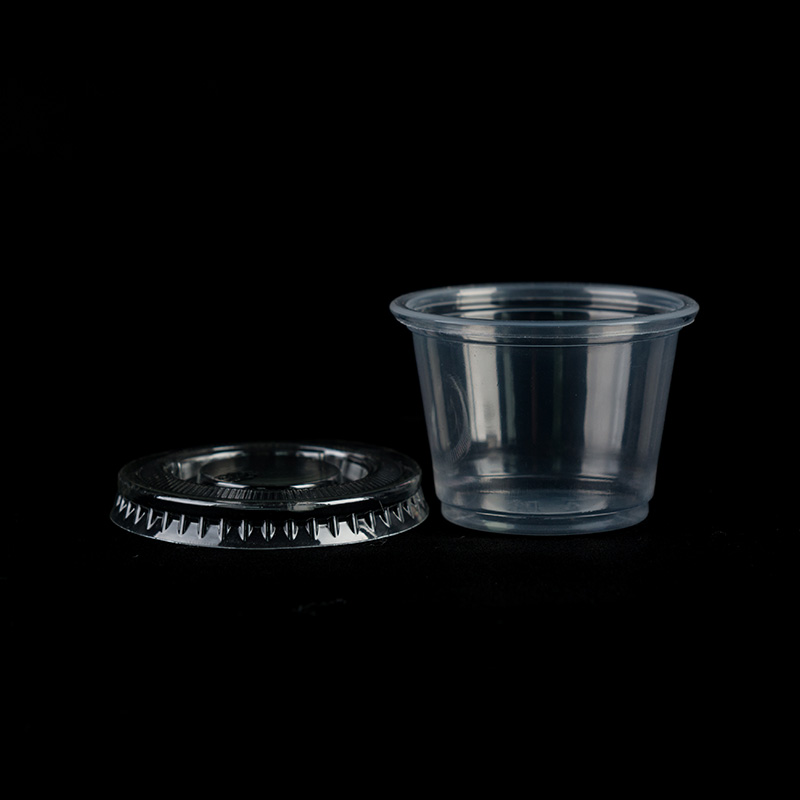
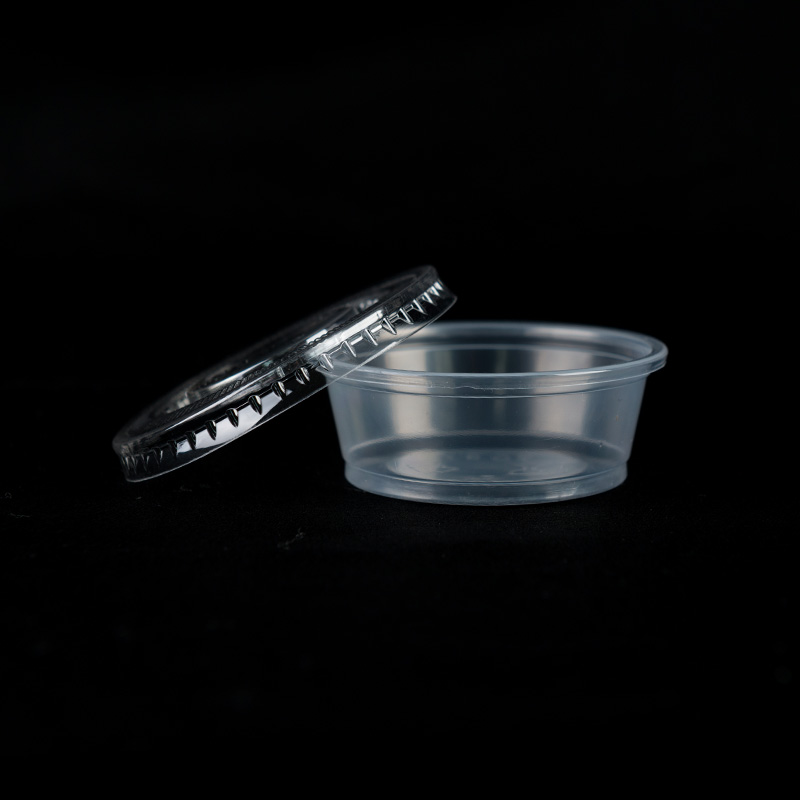
Many plastic lids come with snap-on or screw-top styles that create secure fits on matching containers. Some include small openings for straws or pouring, which add convenience when consuming beverages on the go. Others feature flat surfaces suitable for stacking multiple containers in limited spaces.
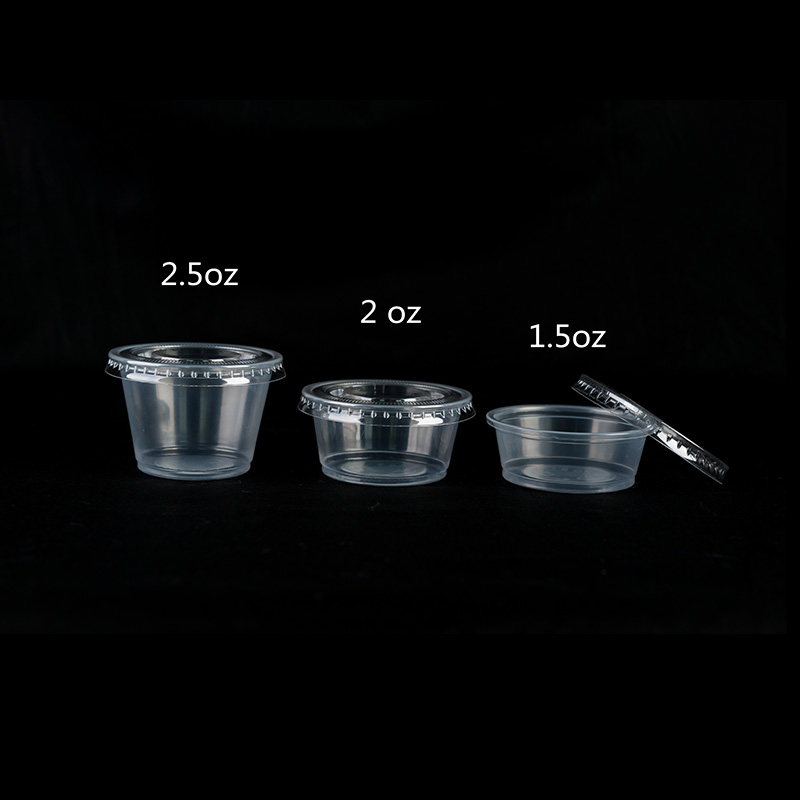
Variations in thickness and flexibility allow lids to work with different materials like rigid tubs or softer pouches. Textured edges on some designs make gripping easier, especially when hands are wet or busy. Manufacturers produce lids in a range of diameters to match standard container sizes used in food service and home storage. These details contribute to reliable performance during regular opening and closing.
Applications Across Household and Work Settings
In homes, plastic lids help organize pantry items, lunch boxes, and meal prep containers. They allow people to pack lunches or snacks that stay in place during commutes or school hours. Office workers use them on coffee cups and food storage to manage desks and break areas efficiently.
Retail environments rely on plastic lids for product displays and customer takeaway options. Grocery stores and convenience shops offer many items with these covers already in place, supporting quick purchases. In catering and event planning, lids assist with transporting prepared foods while maintaining arrangement. Schools and daycare centers also incorporate them for serving and storing snacks in group settings.
Compatibility With Various Container Materials
Plastic lids pair effectively with containers made from different substances, including other plastics, paperboard, or foam. This compatibility supports mixing and matching in both production lines and home kitchens. For example, lids designed for deli containers work across multiple sizes, reducing the need for specialized covers.
In industrial packaging, these lids secure bulk items during assembly and shipping stages. They maintain position for products ranging from cosmetics to household goods. The ability to produce lids in matching colors or transparent forms adds visual consistency to product lines. Many systems allow lids to be applied automatically on filling lines, supporting steady output in manufacturing facilities.
Plastic lids continue to address common needs in storage and serving situations. Their presence in supply chains helps move goods from production to end users with fewer issues. As product formats change, manufacturers adjust lid specifications to maintain good fit and function. This ongoing adaptation keeps plastic lids relevant in many aspects of daily packaging and organization.