

 English
 عربى
عربى
One Container for Many Food Applications
The variety of foods packed inside a Plastic Sauce Cup continues to grow. Quick-service restaurants often use it for barbecue sauce, mayonnaise, chili sauce, mustard, or cheese dip. Coffee shops may package honey, flavored syrup, or cream. Bakeries frequently use it for chocolate sauce, caramel, fruit puree, or decorative toppings.
Food manufacturers also use these small cups during product sampling or promotional events. Consumers can conveniently taste new sauces, jams, or seasonings without opening a larger package. Grocery stores may include portion cups inside meal kits to separate ingredients until preparation.
The compact size allows different foods to remain separated, helping preserve texture and presentation until serving time.
Flexible Sizes Meet Different Portion Needs
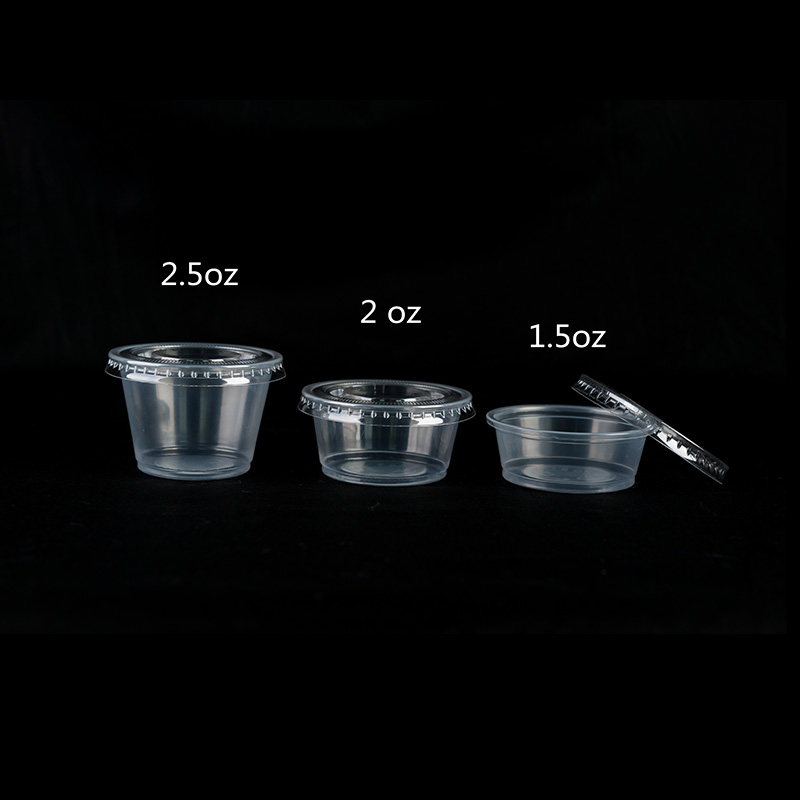
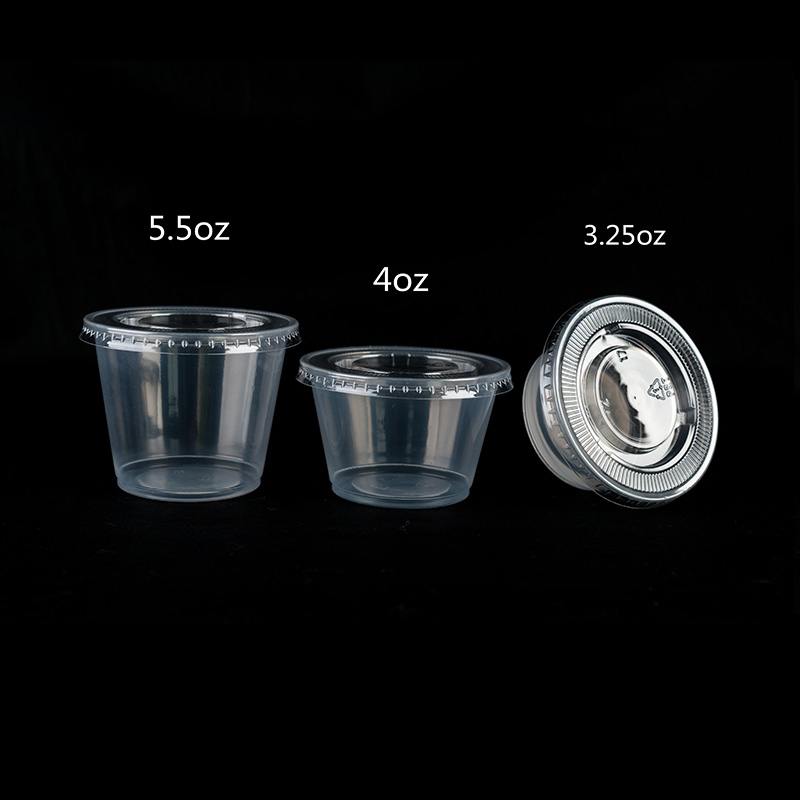
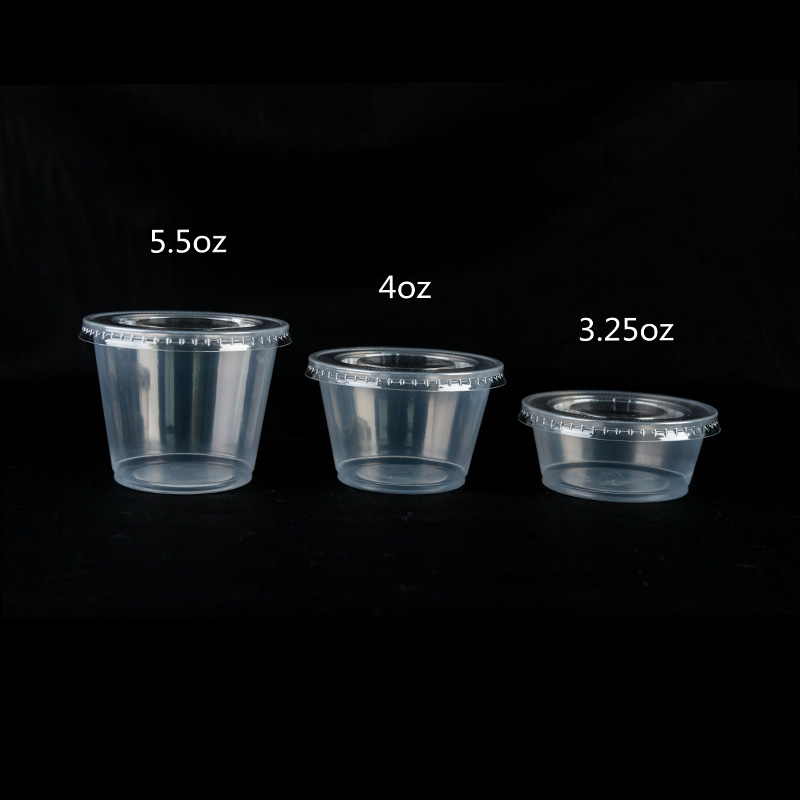
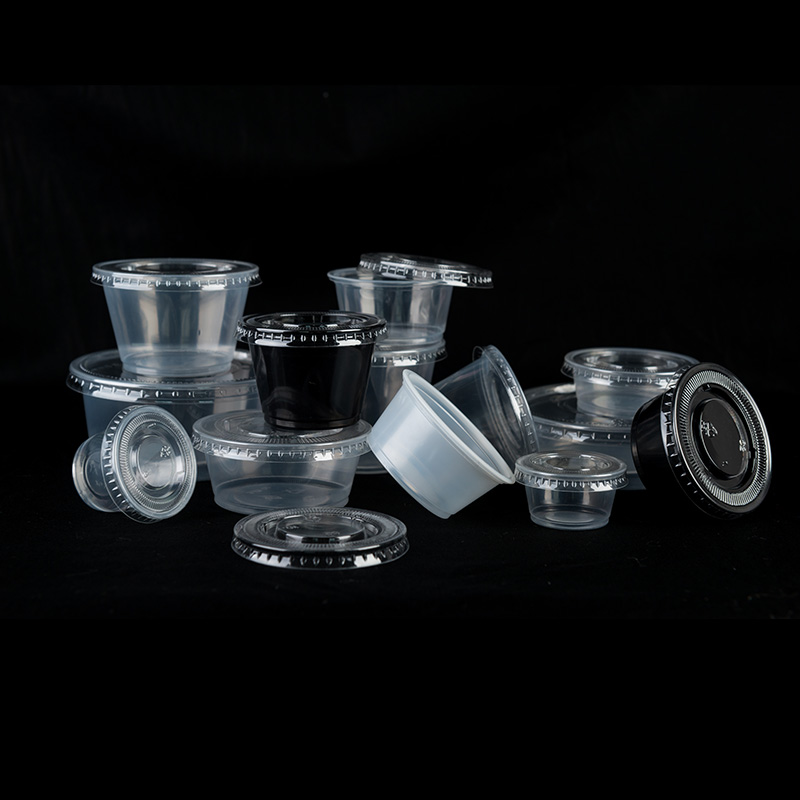
One reason the Plastic Sauce Cup remains widely used is the availability of different capacities. Small portions work well for dipping sauces, while larger versions can package side dishes, dessert toppings, or ingredient mixes.
Common capacity options include:
| Capacity Typical | Application |
| 0.5 oz | Concentrated seasonings |
| 1 oz | Ketchup, mustard, soy sauce |
| 2 oz | Salad dressing, salsa, cheese dip |
| 3–4 oz | Fruit cups, yogurt toppings, dessert sauces |
| Larger sizes | Ingredient kits and food samples |
This range allows restaurants and food processors to match portion sizes with menu requirements while presenting a consistent appearance across packaged meals.
Practical Design Supports Daily Operations
Food preparation often requires speed and organization, especially during busy meal periods. A Plastic Sauce Cup helps staff prepare sauces in advance, allowing faster assembly during customer orders.
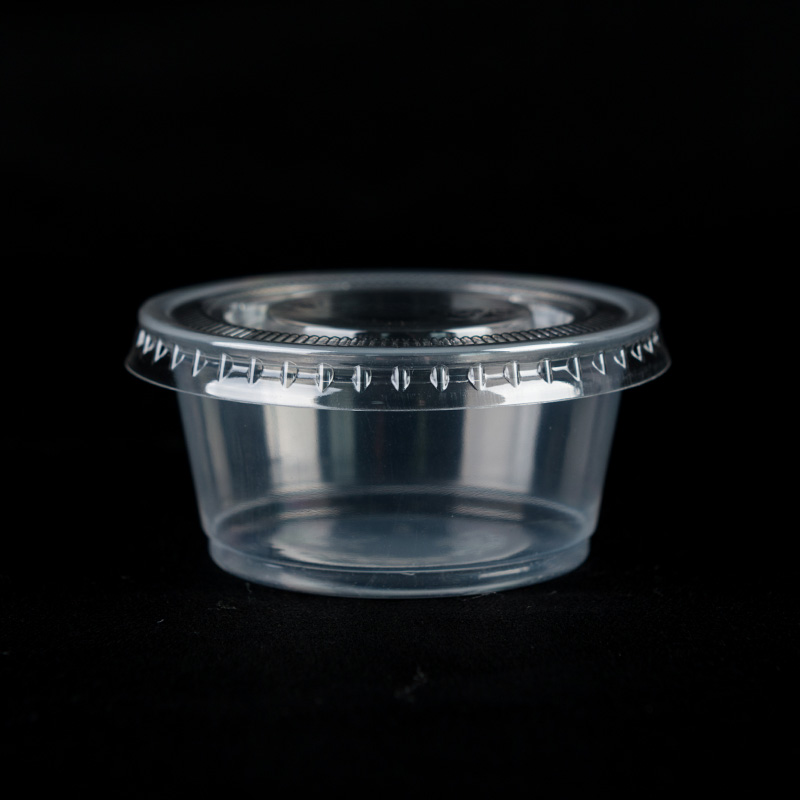
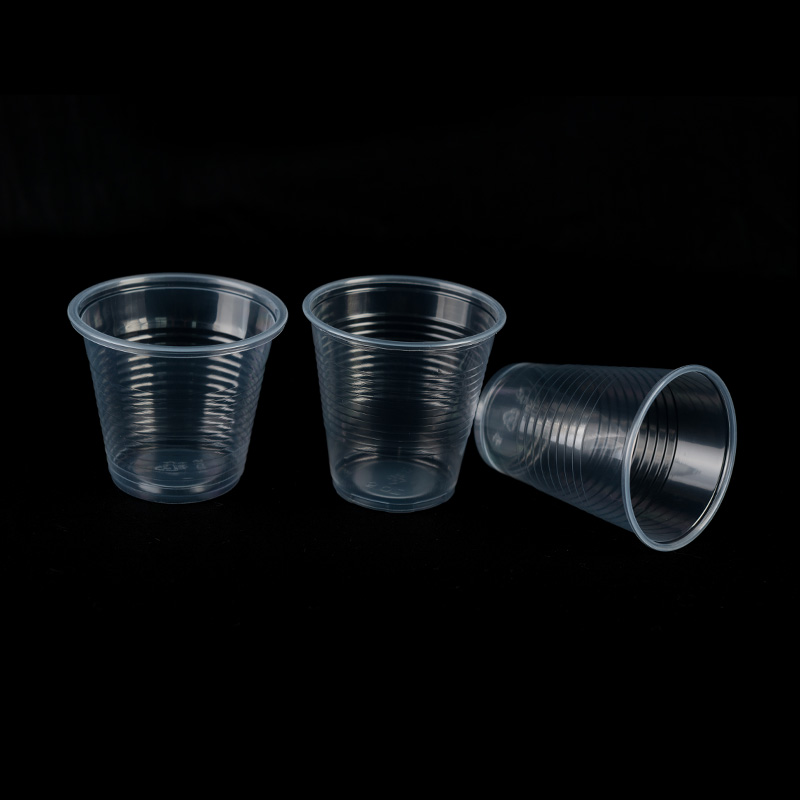
Many designs feature transparent walls, making it easy to identify contents without opening the container. This simple feature reduces confusion in kitchens handling multiple sauces at the same time.
Stackable construction also supports organized storage before filling and after packaging. Whether used in commercial kitchens or central food production facilities, neatly stacked cups help save shelf space and simplify inventory handling.
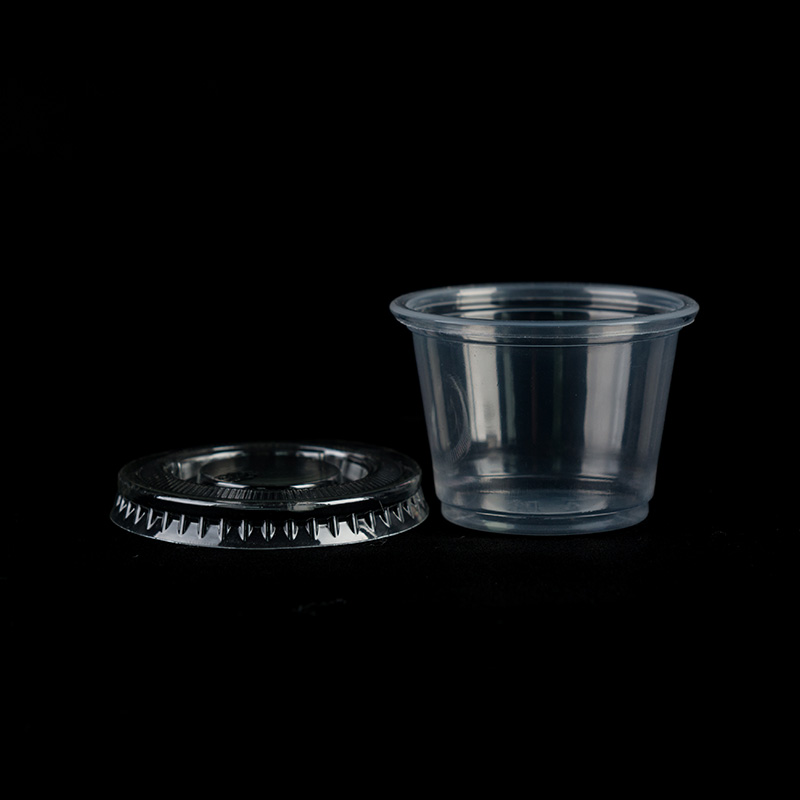
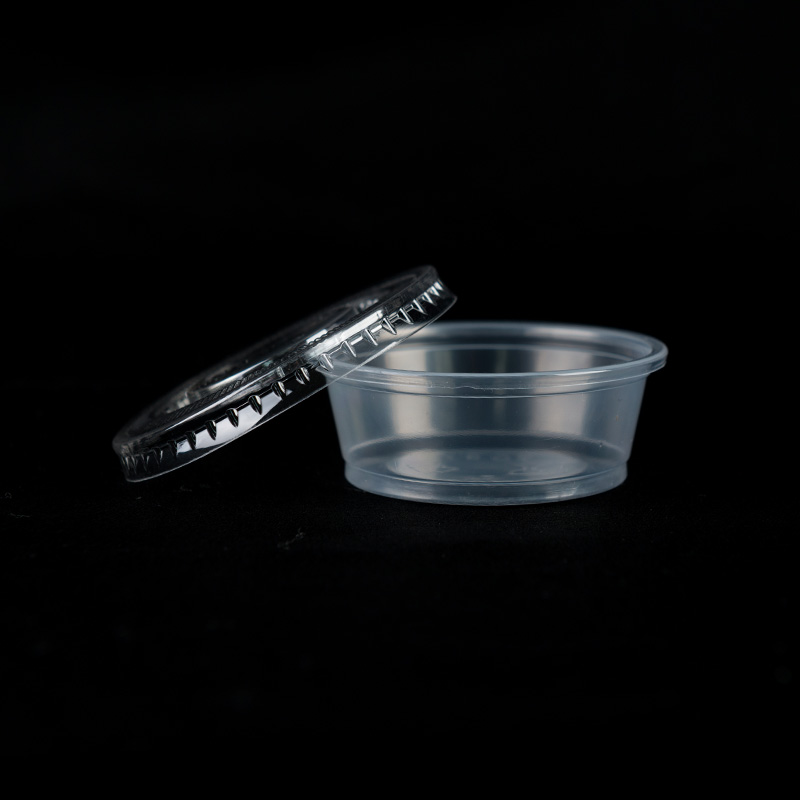
Some models are paired with matching lids that fit securely, making transportation more convenient for takeaway meals and delivery orders.
Manufacturing Focuses on Consistency
Behind every Plastic Sauce Cup is a manufacturing process designed to produce containers with consistent dimensions and appearance. Injection molding and thermoforming are commonly used production methods, allowing manufacturers to create large quantities while maintaining uniform wall thickness and smooth surfaces.
Material selection depends on the intended application. Different plastics provide various levels of rigidity, transparency, and impact resistance. Manufacturers also pay attention to rim design, cup shape, and stacking performance to improve filling efficiency during packaging.
Automated production equipment helps maintain dimensional consistency, allowing lids and cups to fit together reliably throughout packaging operations.
Quality inspections during production typically include dimensional measurement, appearance checks, sealing compatibility, and random sampling to confirm batch consistency before shipment.
Growing Demand Across Multiple Industries
The use of the Plastic Sauce Cup now extends beyond traditional restaurants. Meal preparation companies, airline catering providers, supermarkets, convenience stores, educational cafeterias, hospitality services, and food processing businesses all incorporate portion cups into their packaging systems.
Retailers also package spices, nuts, candy samples, beverage additives, and ready-to-mix ingredients using similar containers. Event organizers frequently prepare individual condiment servings to improve food presentation and simplify distribution.
As food service formats continue to diversify, packaging solutions that support convenience and portion control remain valuable. The Plastic Sauce Cup demonstrates how a compact container can contribute to organized food packaging, efficient kitchen workflows, and a wide variety of serving applications across today's food industry.