

 English
 عربى
عربى
The food packaging market continues to see changes in container design, material selection, and production methods. Among the products used across food processing, catering, takeaway services, and retail packaging, the Plastic food container remains a familiar packaging format. Its practical structure allows manufacturers to develop containers for different food types, capacities, and handling requirements.
Rather than using one fixed design, current product development focuses on details such as container shape, wall thickness, lid structure, stackability, and opening methods. These factors influence how a container fits into different food packaging operations.
Different Shapes Serve Different Food Applications
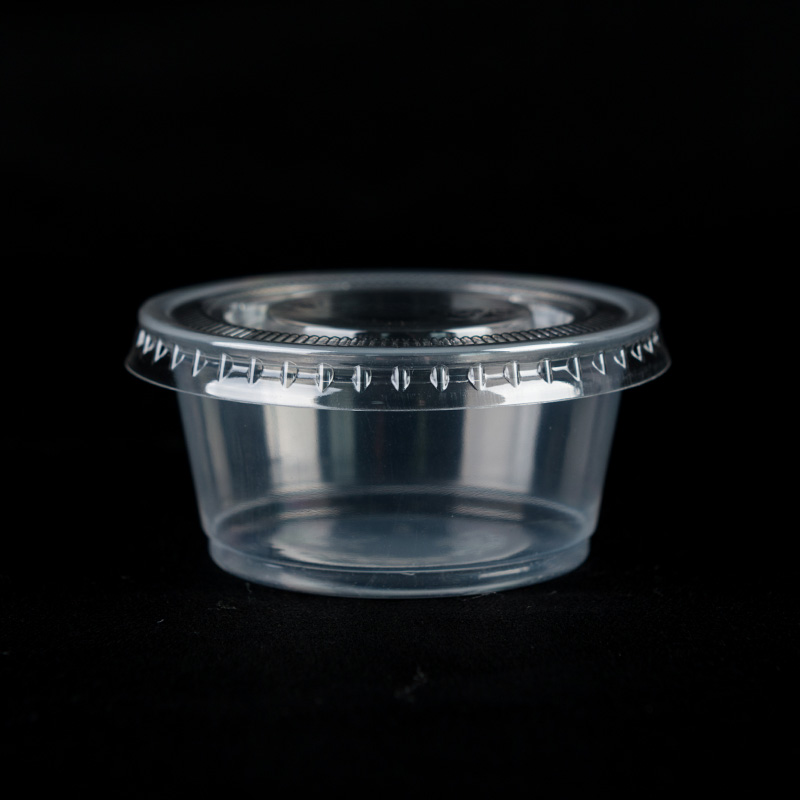
A Plastic food container can be produced in rectangular, square, round, or other customized shapes. Each design can support a particular food packaging requirement.
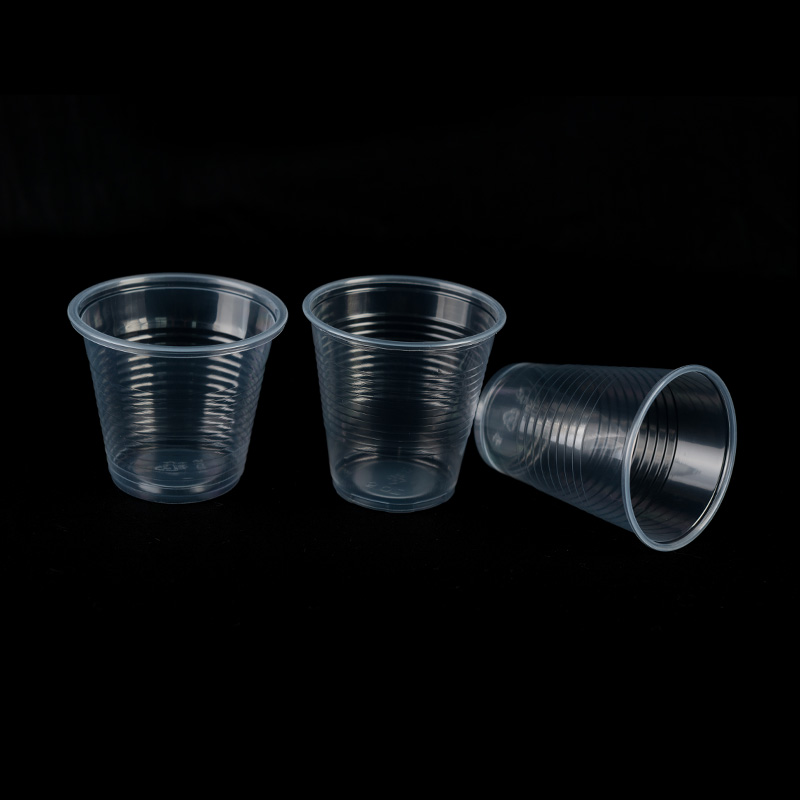
Round containers are often associated with sauces, prepared foods, desserts, and snacks. Rectangular and square formats can provide a convenient layout for meals, ingredients, and food portions. Shallow containers can suit products that need a wider opening, while deeper designs can accommodate foods with greater volume.
The choice of shape also affects storage and transportation. Containers designed for stacking can help create an orderly arrangement during packaging and distribution.
Material Choice Influences Container Performance
Plastic selection plays an important role in the production of food containers. Different plastic materials offer different combinations of rigidity, flexibility, transparency, and temperature resistance.
Some containers use clear plastic so the contents can be seen without opening the package. Others use opaque materials when a solid appearance is preferred. Material thickness can also vary according to container size and intended use.
For manufacturers, material selection is closely connected to molding conditions and product structure. A well-designed container needs consistent walls and a stable base so it can retain its shape during normal handling.
Lid Design Is Part of the Container System
A food container is not simply a box. The lid is an important part of the overall packaging structure.
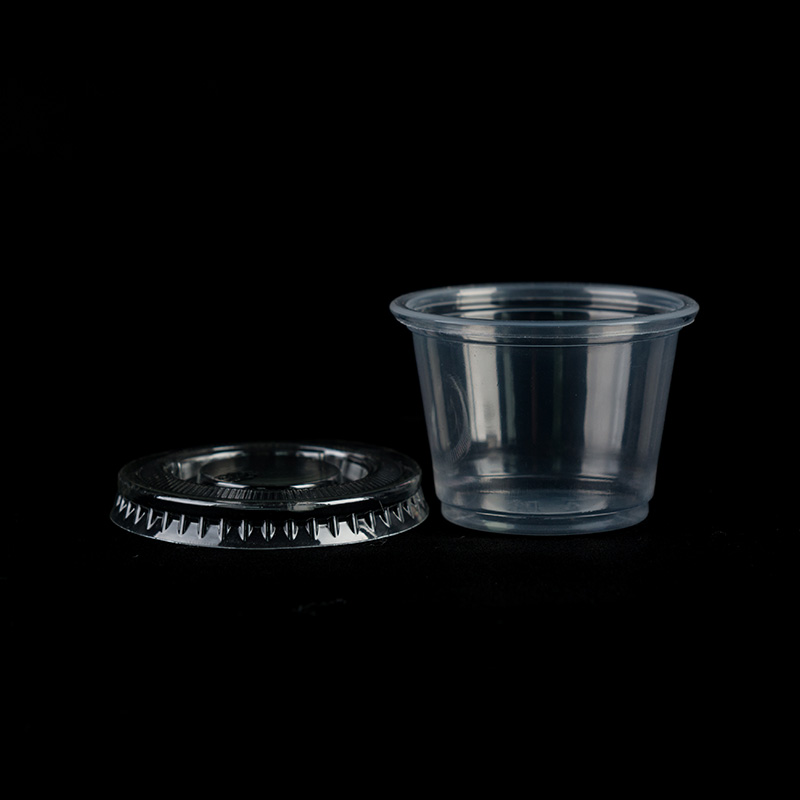
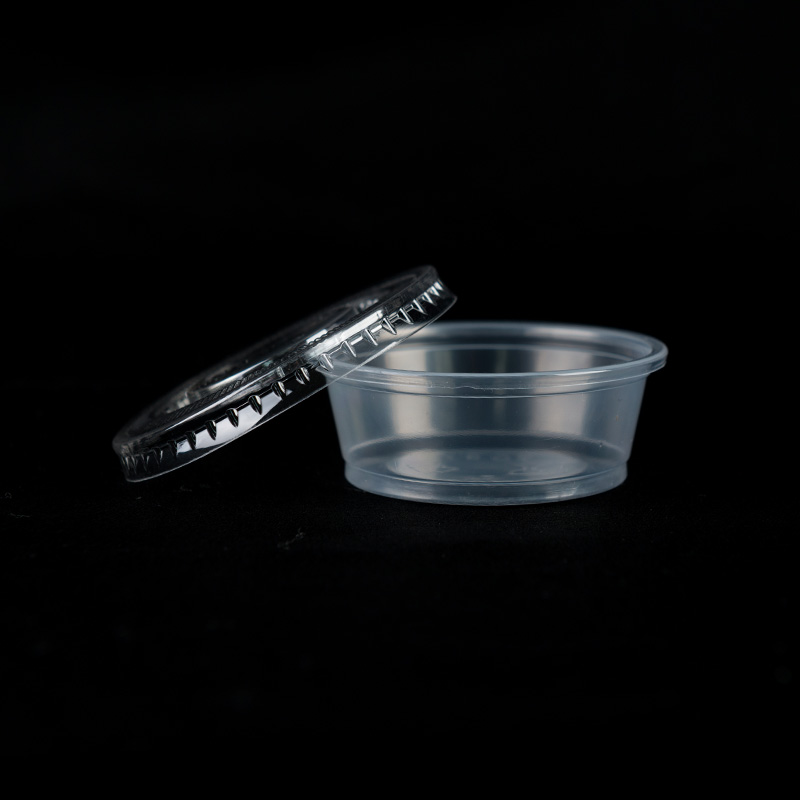
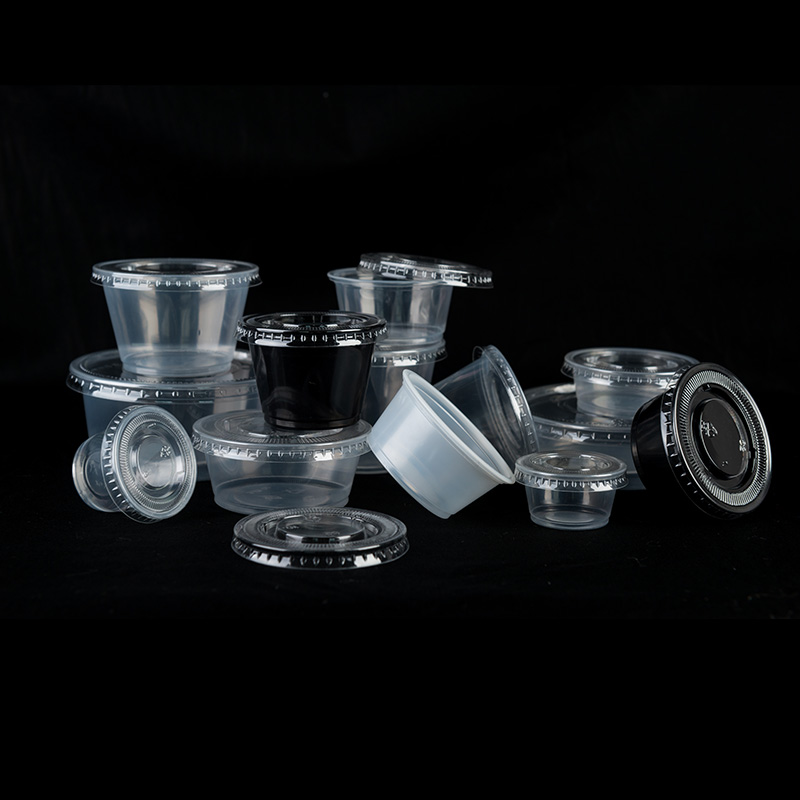
Snap-on lids, hinged lids, and separate covers can provide different user experiences. A secure connection between the container and lid can help reduce accidental opening during handling. Some designs also include features that make opening easier for food service workers or consumers.
For manufacturers developing a new Plastic food container, the relationship between the container rim and lid deserves careful attention. Small dimensional changes can influence how the two components fit together.
Injection Molding Supports Flexible Production
Injection molding is widely associated with plastic container manufacturing because it allows detailed shapes to be formed in a controlled production process. Mold cavity design, cooling layout, material flow, and ejection structure all influence the final container.
Multi-cavity molds can produce several containers during one molding cycle, making them suitable for production environments requiring repeated output. Different cavity arrangements can also be developed for containers with varying dimensions.
Thin-wall container designs require particular attention to material flow and mold filling. The mold needs to support the shape while allowing the plastic material to reach the required areas.
Size Options Expand Packaging Applications
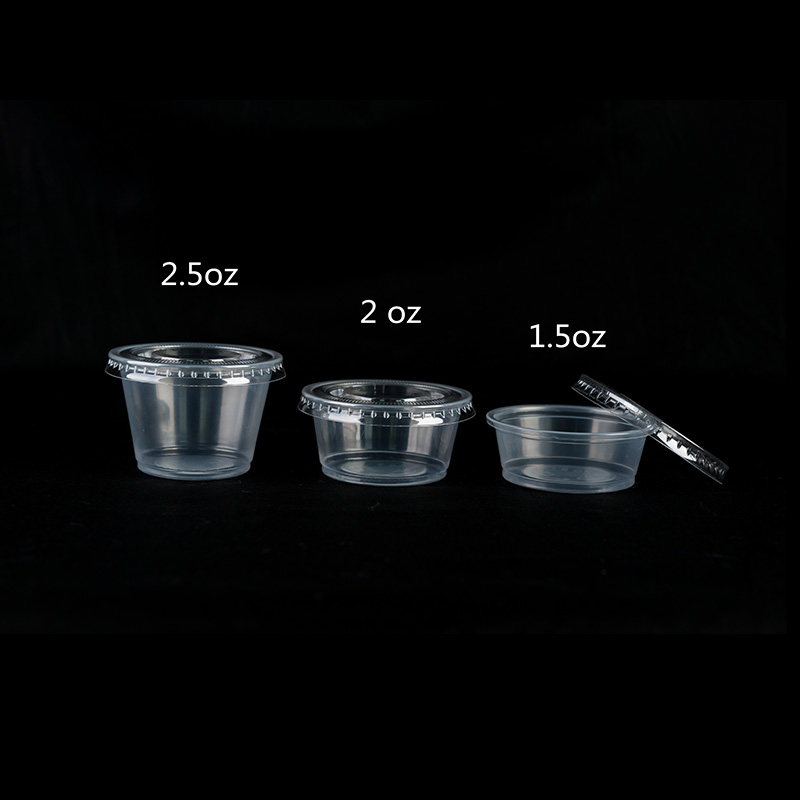
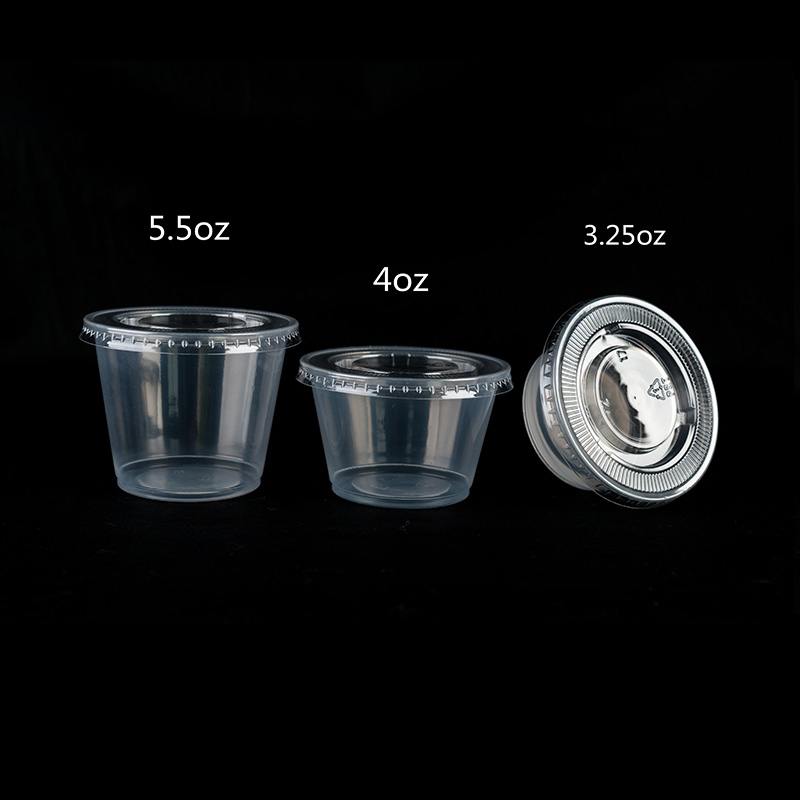
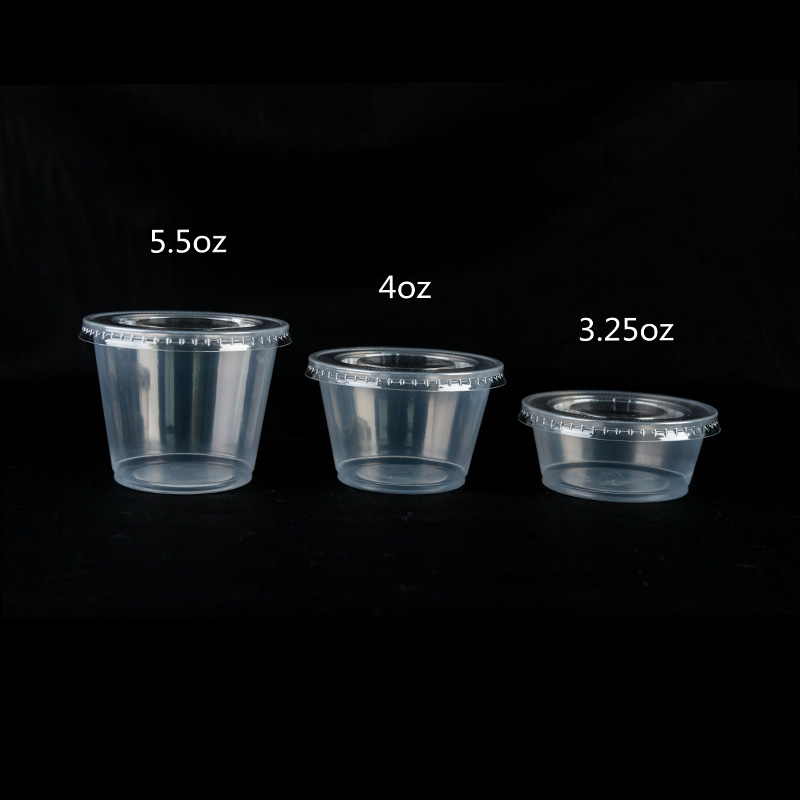
Food packaging needs can vary from small portions to large-volume products. As a result, Plastic food container sizes can range from compact formats for sauces and snacks to larger containers for prepared meals and ingredients.
Capacity is only one consideration. Container height, opening diameter, corner design, and base structure can also affect usability. Manufacturers may adjust these dimensions according to the food product and packaging equipment involved.