

 English
 عربى
عربى
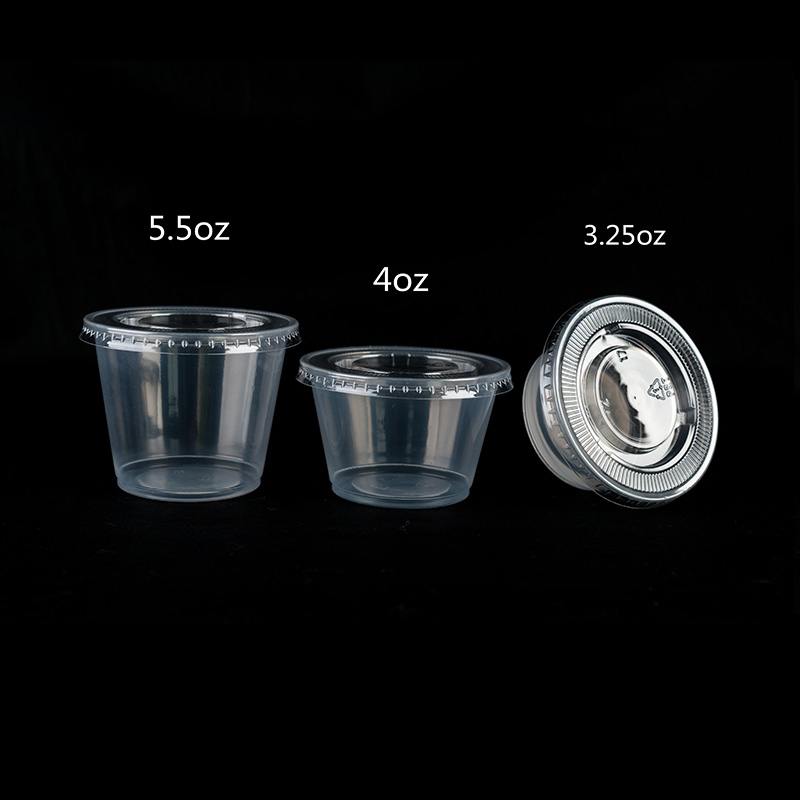
Plastic containers appear in kitchens, offices, and workspaces across many households. These items help people store food, sort small objects, and keep spaces neat without much effort. Their light weight and clear designs make them simple to handle and view contents at a glance.
Common Roles in the Kitchen
Many people reach for plastic containers when packing leftovers or preparing meals ahead of time. A single container can hold rice, vegetables, or snacks and slide easily into the refrigerator. The tight lids keep air out, so food stays fresher for longer periods during the week. Stacking several containers on a shelf saves space and creates a tidy look inside cabinets.
Some designs include measurement marks on the side. This detail lets cooks measure ingredients directly in the container and skip extra bowls. Others come in sets with matching lids that snap on quickly. These features turn everyday meal prep into a smoother process.
Storage Solutions Beyond Food
Plastic containers also work well outside the kitchen. In a home office, they hold pens, paper clips, and charging cables so drawers stay ordered. Craft lovers use them to separate beads, threads, or paint tubes. The transparent walls show what sits inside without the need to open every box.
Workshops and garages benefit too. Small hardware pieces like screws and washers fit neatly into divided plastic containers. Labeling the outside with a marker turns a plain bin into a clear system. Moving the containers from shelf to workbench takes little strength because the material stays light even when full.
Design Details That Matter
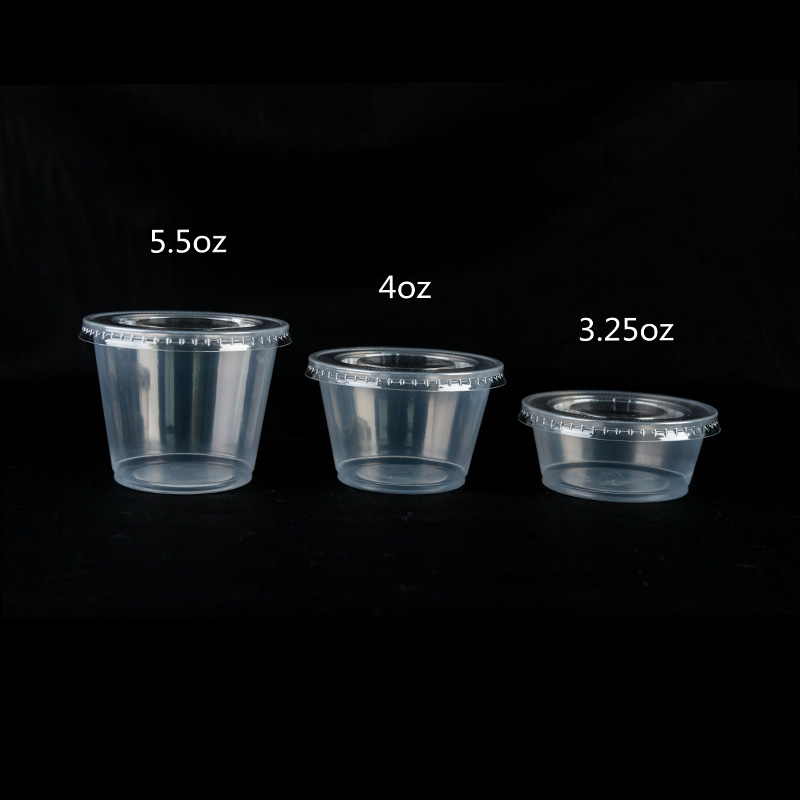
Shape and size vary widely. Round containers suit liquids and soups, while rectangular ones maximize shelf space. Some models feature handles for easy carrying, and others include pour spouts for sauces or dry goods. The smooth surfaces wipe clean with a damp cloth, which keeps them ready for repeated use.
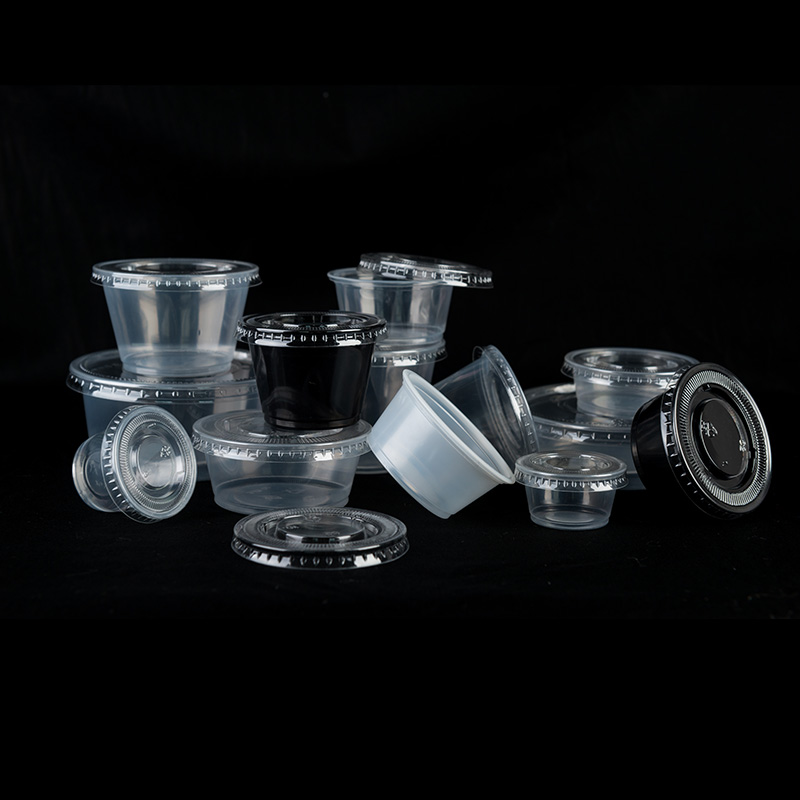
Color options range from clear to solid tones. Clear versions let users see contents right away. Colored lids help sort items by category—blue for snacks, green for produce, and so on. These simple choices reduce the time spent searching for the right container during busy moments.
Ways People Organize with Them
One popular approach is grouping containers by size. Larger ones sit on lower shelves for heavy items, while smaller ones stack above. Another method places frequently used containers near the front of the fridge or pantry. This arrangement cuts down on the time needed to grab what is needed.
In shared living spaces, assigning specific containers to each person prevents mix-ups. A family might keep individual lunch containers marked with names or stickers. The same idea works in offices where team members store personal supplies.
Simple Habits for Better Use
Choosing the right size for the job avoids wasted space. Filling a container only partway and sealing it well protects the contents. Placing heavier items at the bottom of a stack keeps the pile stable. These small steps make plastic containers more helpful day after day.
Plastic containers support many routines because they adapt to different needs. From holding yesterday’s dinner to sorting workshop supplies, they offer a practical way to keep things in place. Their straightforward design and wide availability explain why so many people keep a collection on hand.