

 English
 عربى
عربى
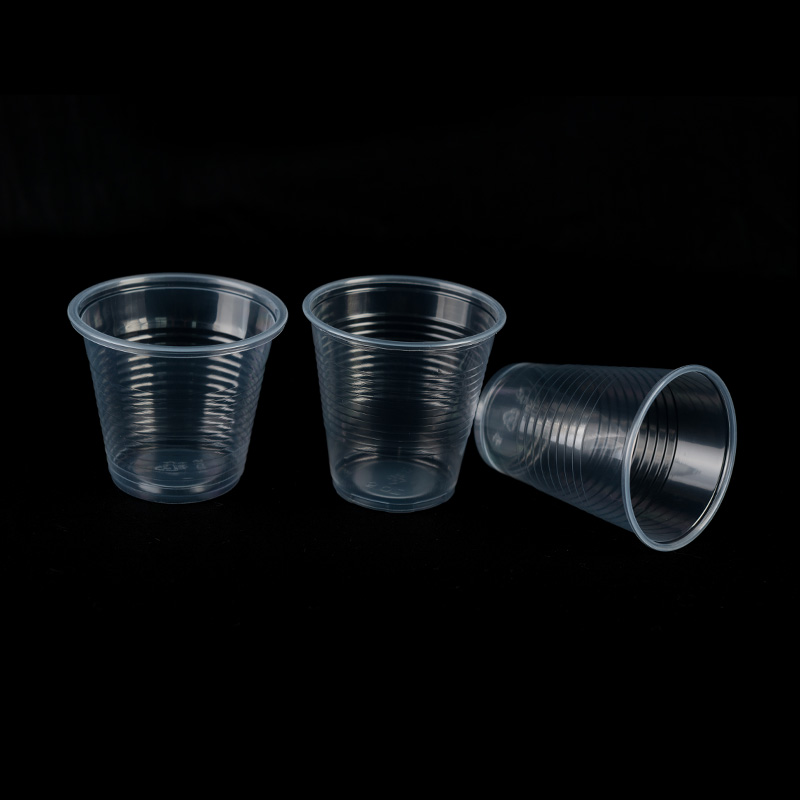
A drinking cup can be far more than a simple container. Its shape affects how it feels in the hand, its rim influences drinking comfort, and its wall structure determines how the cup handles different beverages. These details are attracting attention in the packaging industry as brands, beverage producers, foodservice suppliers, and distributors explore Custom plastic cups for different applications.
Unlike standard cup designs, customized products can be developed around a specific volume, shape, appearance, stacking requirement, or filling process. This gives manufacturers more room to connect packaging design with the practical needs of a product.
Material Selection Changes The Product
Plastic cups can be produced from several materials, including PET, PP, and other plastic formulations selected according to the intended application.
PET is commonly associated with clear packaging because it can provide a transparent appearance that allows the contents to remain visible. PP offers different processing characteristics and can be used for various food and beverage packaging formats.
Material selection also affects wall thickness, appearance, rigidity, and molding behavior. A cup that looks simple from the outside may require careful material and mold coordination during production.
For manufacturers, the goal is not simply to choose a plastic material. The material needs to work together with the cup dimensions, forming process, filling conditions, and expected handling requirements.
Mold Design Controls Production Details
Injection molding and thermoforming are two common approaches used in plastic cup production, depending on the product structure and manufacturing requirements.
Mold design influences details such as wall distribution, rim geometry, bottom structure, stacking features, and surface appearance. Small changes in these areas can affect how the finished cup performs during filling and use.
For large-volume production, mold cavities can also influence output. Multi-cavity tooling allows multiple cups to be formed during each production cycle, while the mold structure needs to maintain consistent dimensions across cavities.
This is where engineering becomes particularly important. A visually attractive cup still needs a mold capable of producing stable parts at the required production scale.
Branding Can Be Built Into The Cup
Packaging is often one of the physical elements customers notice. Customization can therefore extend beyond cup dimensions.
Logos, patterns, transparent sections, textured surfaces, printed graphics, and different finishes can create distinct visual identities. Some beverage brands may prefer a clean transparent cup that highlights the drink, while others may select opaque or decorated surfaces for a different presentation.
The cup shape itself can also become part of the visual identity. A distinctive rim, tapered body, curved profile, or molded grip can make a product easier to recognize.
With Custom plastic cups, these visual elements can be considered during the original design stage rather than added as an afterthought.
Production Efficiency Begins With Good Specifications
Customization does not necessarily mean creating a complicated product. In many projects, clear specifications make production easier to organize.
Important details may include cup capacity, overall dimensions, wall thickness, material type, surface finish, mold structure, printing area, packaging format, and matching accessories.
B2B buyers can also provide drawings or physical samples during the development stage. These references give engineers a clearer understanding of the desired product and reduce uncertainty when translating an idea into a mold.
For a Custom plastic cups project, communication between the buyer, mold designer, and production team can therefore have a direct influence on the final result.
Different Markets, Different Cup Designs
The same basic cup concept can serve very different industries. Cafés may need cups for cold beverages, foodservice companies may require containers for desserts, and promotional campaigns may use specially shaped cups for events or branded products.
Industrial packaging suppliers may also develop cups around automated filling and sealing equipment. In such cases, dimensions and rim structures need to correspond to the machinery used during production.
This application-based approach gives Custom plastic cups a broader role in modern packaging. Instead of treating the cup as a generic container, manufacturers can develop it around the product, filling process, branding strategy, and distribution requirements.