

 English
 عربى
عربى
Deli cup containers are a common sight in food service supply chains, used for everything from soups and sauces to salads, snacks, and portioned sides. For buyers sourcing packaging in bulk, these containers offer a practical mix of stackability, clarity, and consistent sizing that fits smoothly into high-volume food operations.
What Makes Deli Cup Containers a Common Choice
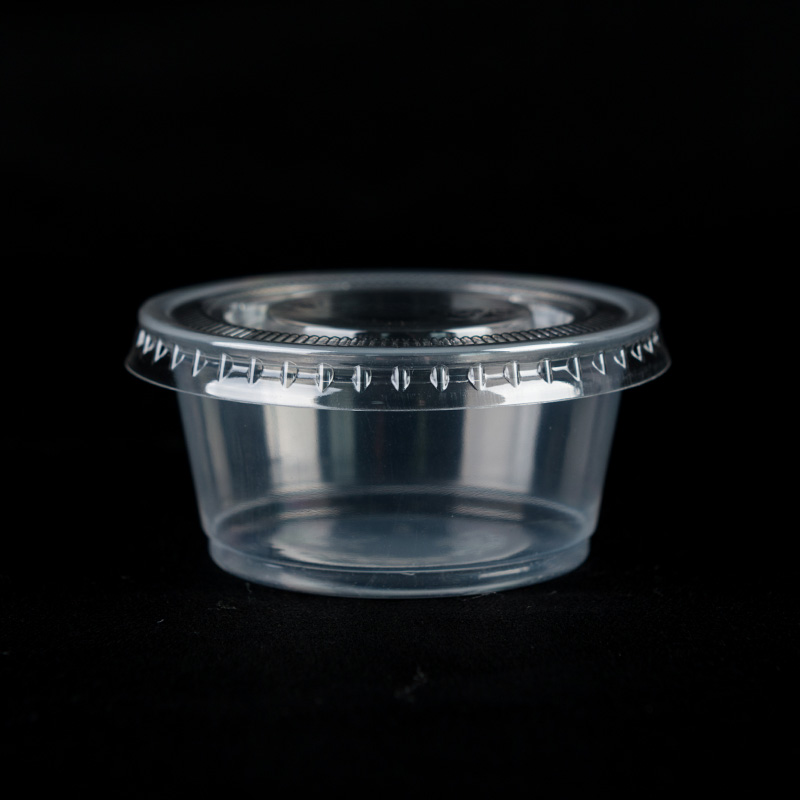
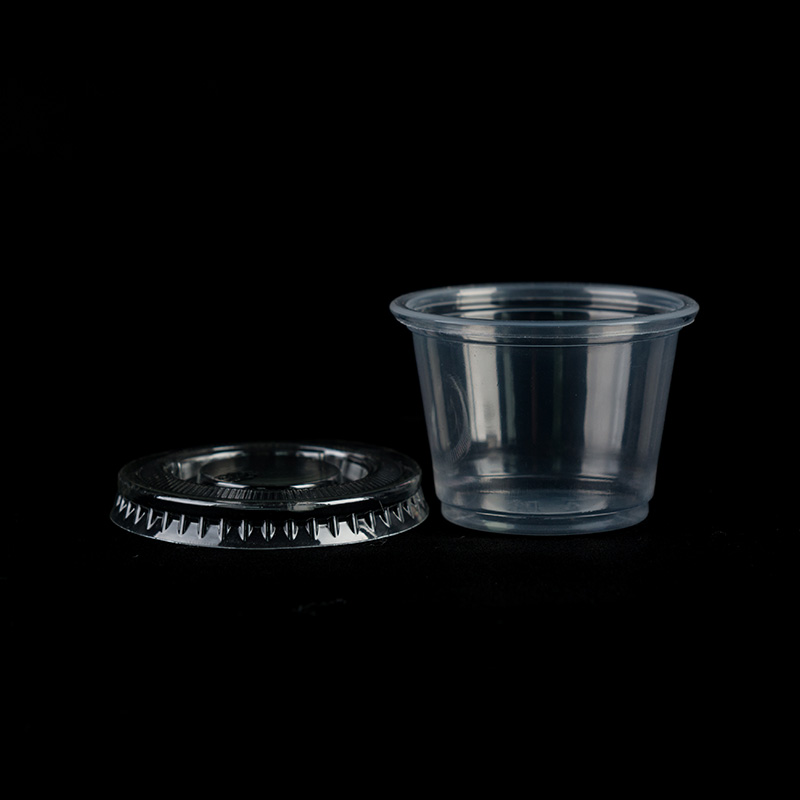
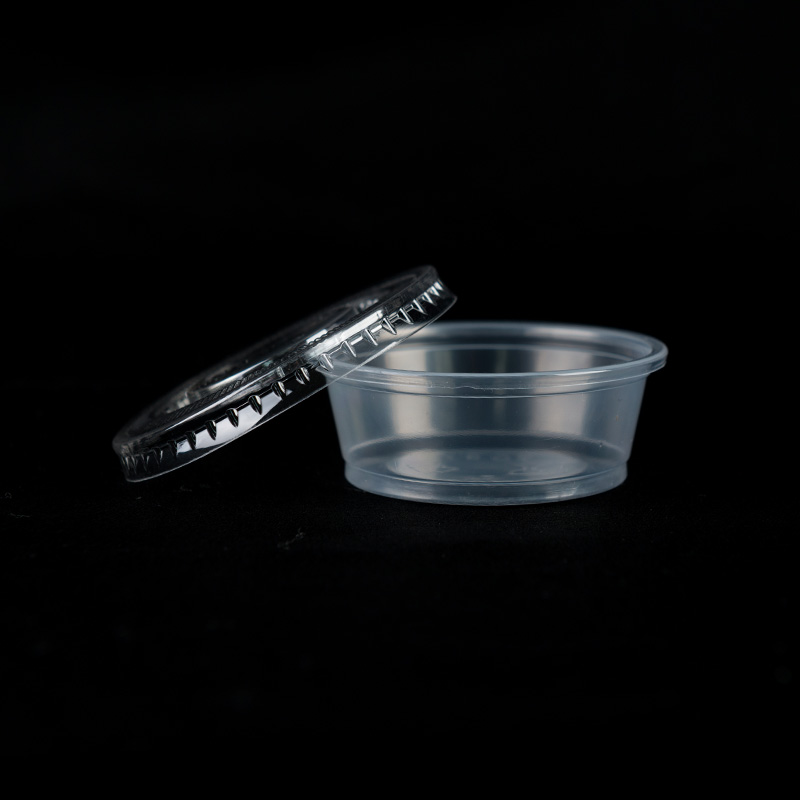
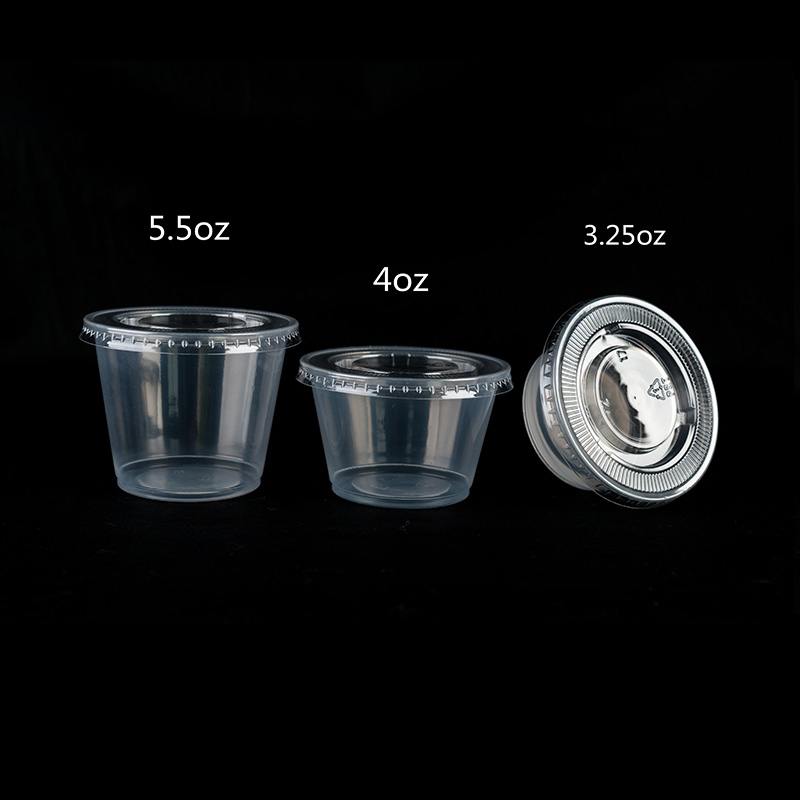
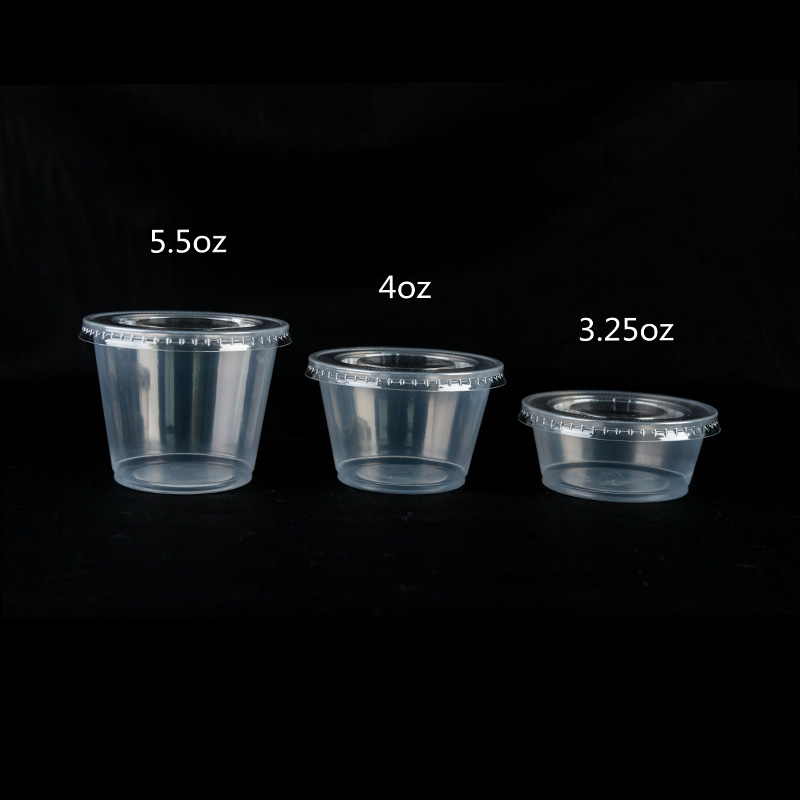
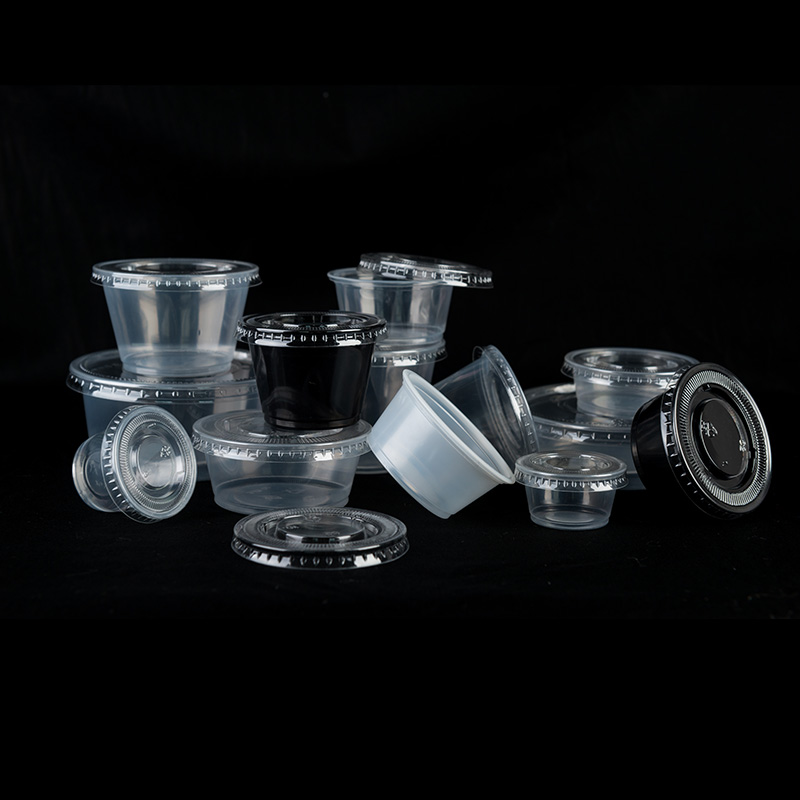
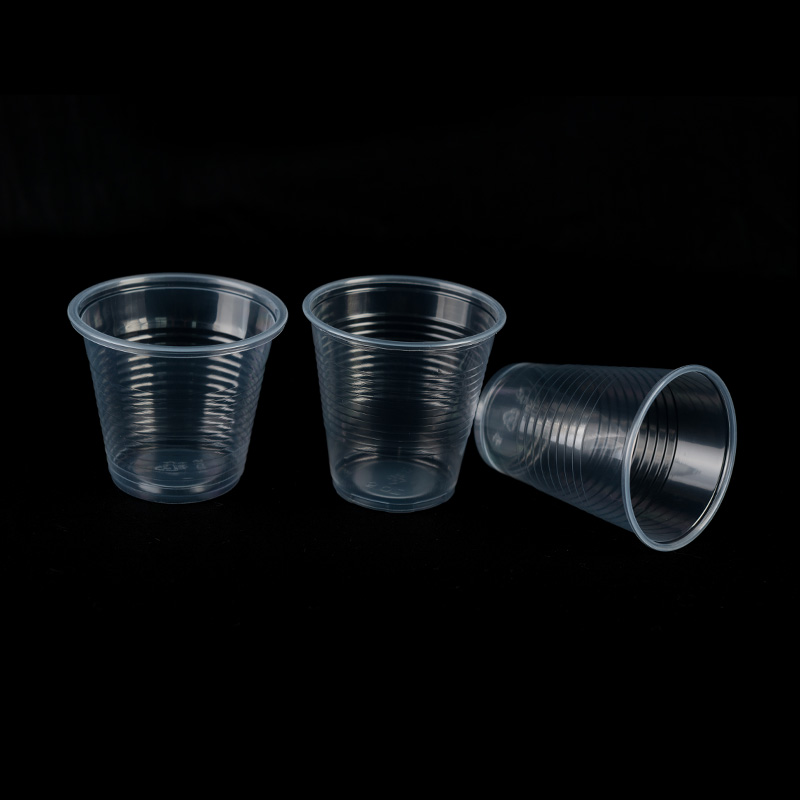
Deli cup containers are typically round, clear or semi-clear plastic cups paired with a matching lid, designed to hold portioned food items securely during storage, transport, and display. Their round shape makes them easy to nest and stack, which helps buyers save space during shipping and in-store storage. Because they are used across such a wide range of food types, deli cups tend to be ordered in large, repeatable batches by:
- Grocery stores and delis packaging prepared foods
- Restaurants offering takeout or catering portions
- Food manufacturers packing sauces, dips, or snacks for retail
Material and Design Considerations
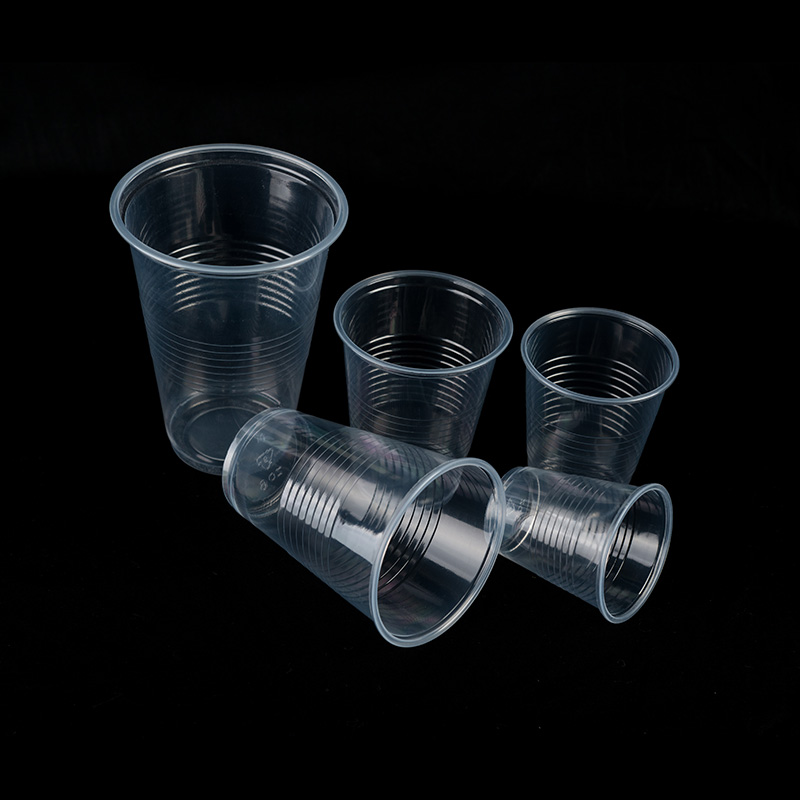
Deli cup containers are commonly made from polypropylene or PET, materials chosen for their clarity and resistance to cracking under normal handling. Polypropylene cups tend to hold up well with warm or oily foods, while PET cups often provide sharper clarity, which some buyers prefer for displaying colorful contents like salads or desserts. Wall thickness is another point buyers ask about, since a slightly heavier cup wall resists flexing when stacked or when filled with denser foods.
Lid fit is a detail that comes up often in sourcing conversations. A snug, secure lid reduces the chance of spills during transport, and many deli cup containers use a simple snap-fit design that seals without requiring extra tools or heat sealing equipment on the packing line.
Sizes and Shapes Available
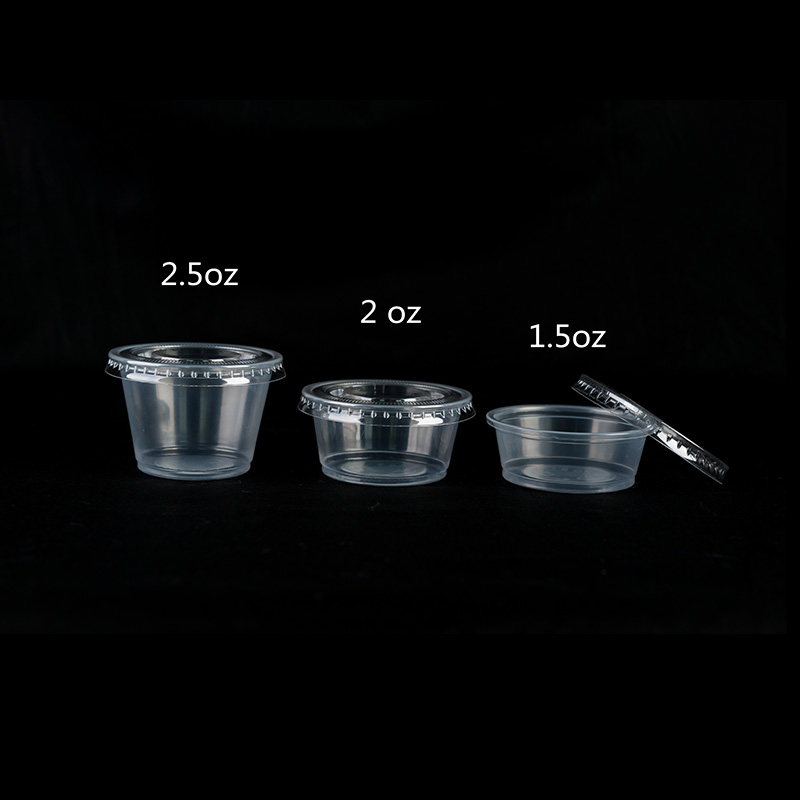
Buyers typically have a fairly wide range of volume options to choose from, since deli cups are used for both small sample portions and larger family-style servings. Common configurations include:
- Small cups suited for sauces, dips, or single-serving snacks
- Mid-range sizes for salads, soups, or side dishes
- Larger cups for bulk portions or combination meals
Shape variations also exist beyond the standard round cup, including slightly tapered designs that stack more tightly and square or rectangular versions that make better use of shelf space in refrigerated display cases.
Clarity, Printing, and Branding Options
Because deli cup containers are often used for food that customers see before buying, clarity is a frequently discussed feature. Clear cups let the contents show through, which many retail and grocery buyers find useful for merchandising prepared foods. Some buyers also request custom printing directly on the cup or lid, adding a logo, product name, or simple design element that helps a brand stand out on a shelf without switching to fully custom mold tooling.
Printing is generally applied through offset or pad printing methods, and order volumes for custom-printed runs tend to run higher than for plain stock cups, since setup work is involved in preparing the printing plates or screens.
Where Deli Cup Containers Get Used
Deli cup containers show up across a broad set of food service and retail settings, including grocery deli counters, catering operations, food trucks, and packaged food manufacturers. Each setting tends to favor slightly different specifications, whether that means extra clarity for retail display, a secure lid for delivery orders, or a particular size range that matches standard portion planning in a commercial kitchen.