

 English
 عربى

In foodservice and commercial kitchens, controlling serving sizes while keeping ingredients fresh and easy to handle remains a daily priority. A portion cup with lid addresses this need through simple, functional packaging that combines a small container with a matching cover. Factories that produce these items focus on practical features that support efficient operations for restaurants, catering companies, and food preparation facilities.
Basic Structure and Common Materials
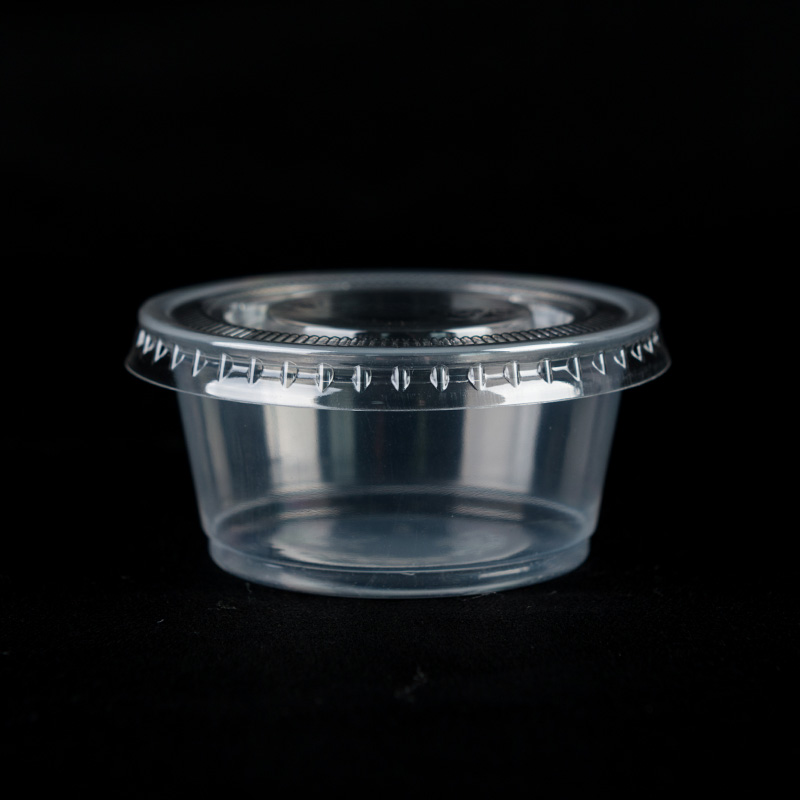
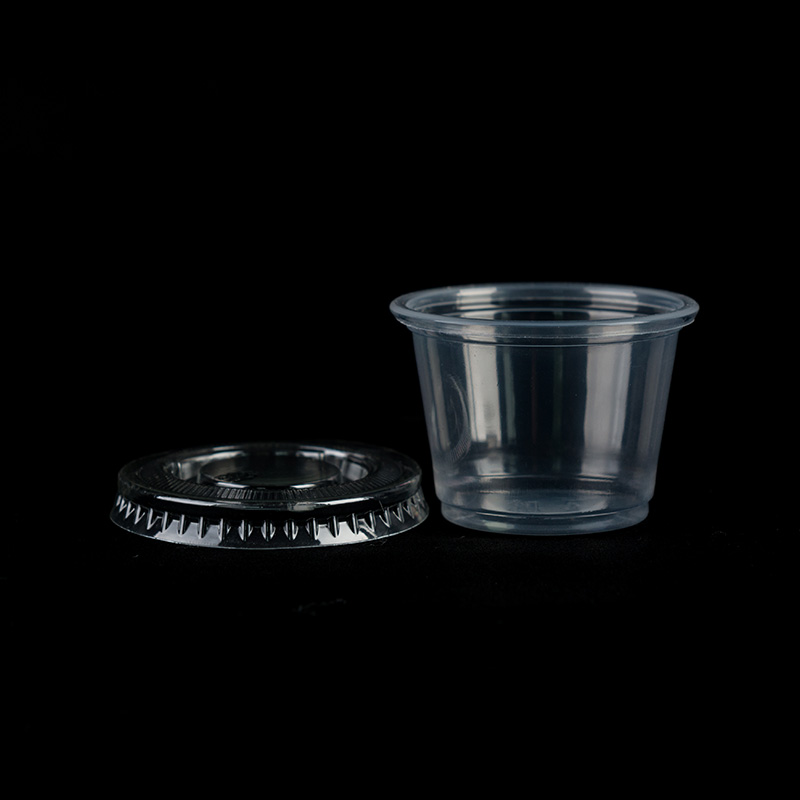
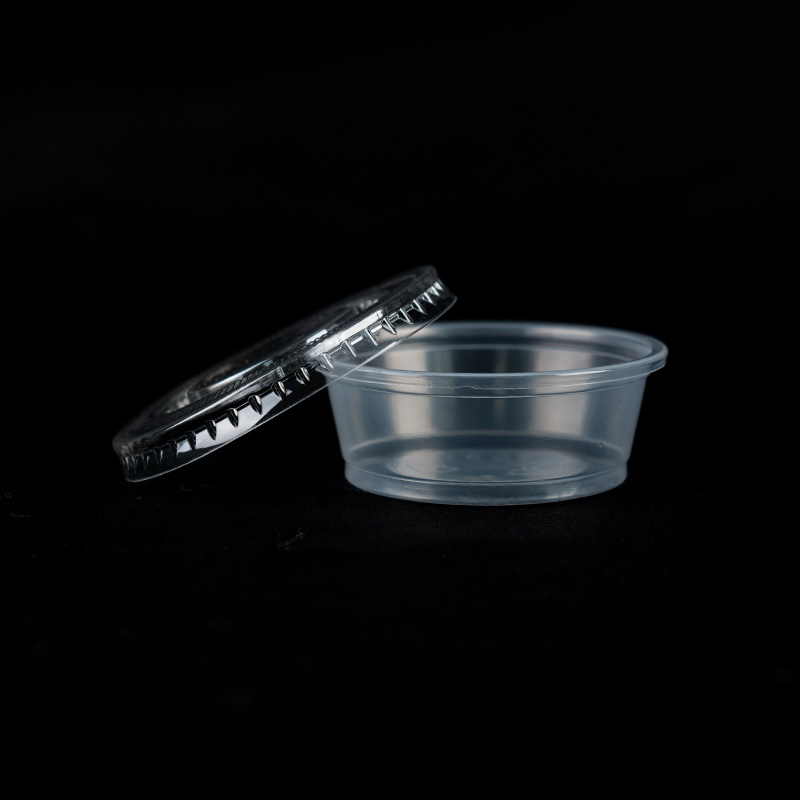
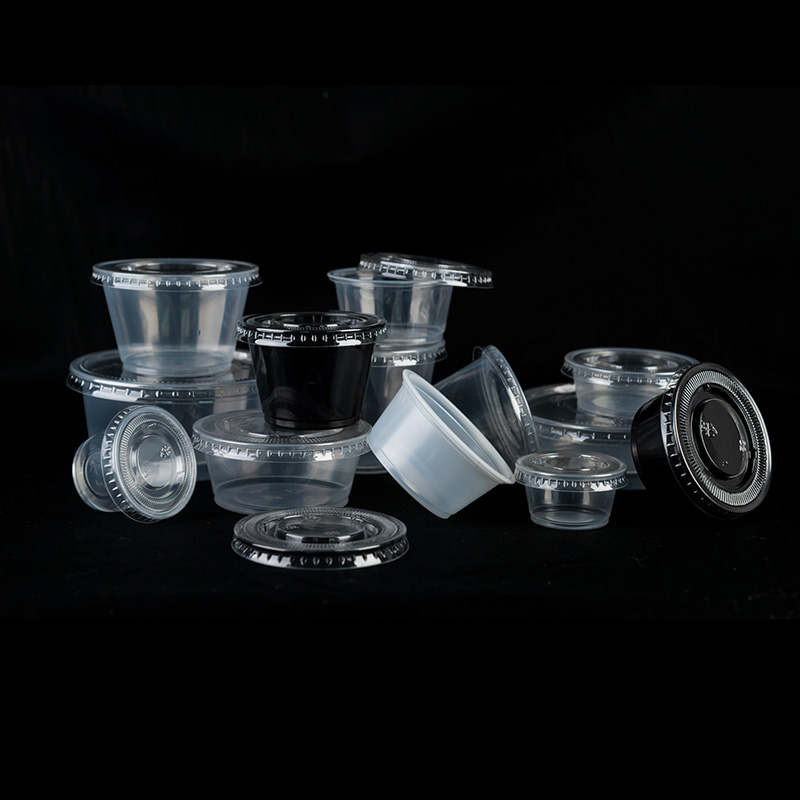
A typical portion cup with lid consists of a cup body and a snap-on or press-fit cover. The cup holds measured amounts of sauces, dressings, condiments, dips, or small side items. The lid creates a seal that helps reduce spills during transport or storage and limits exposure to air.
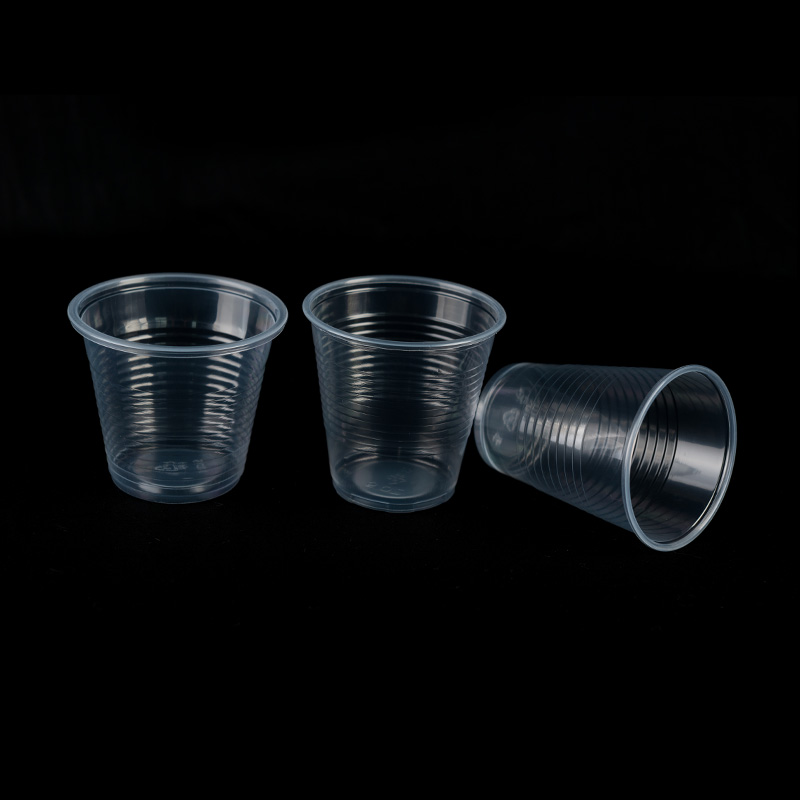
Manufacturers commonly use polypropylene or polystyrene for the cup and lid. These materials offer clarity so staff can see the contents at a glance, along with enough rigidity to hold shape under normal handling. Some versions include ribbed sides or slightly thicker bases for better grip and stability. The lid often features a raised edge or tab that makes it easier to open and close repeatedly without damaging the seal.
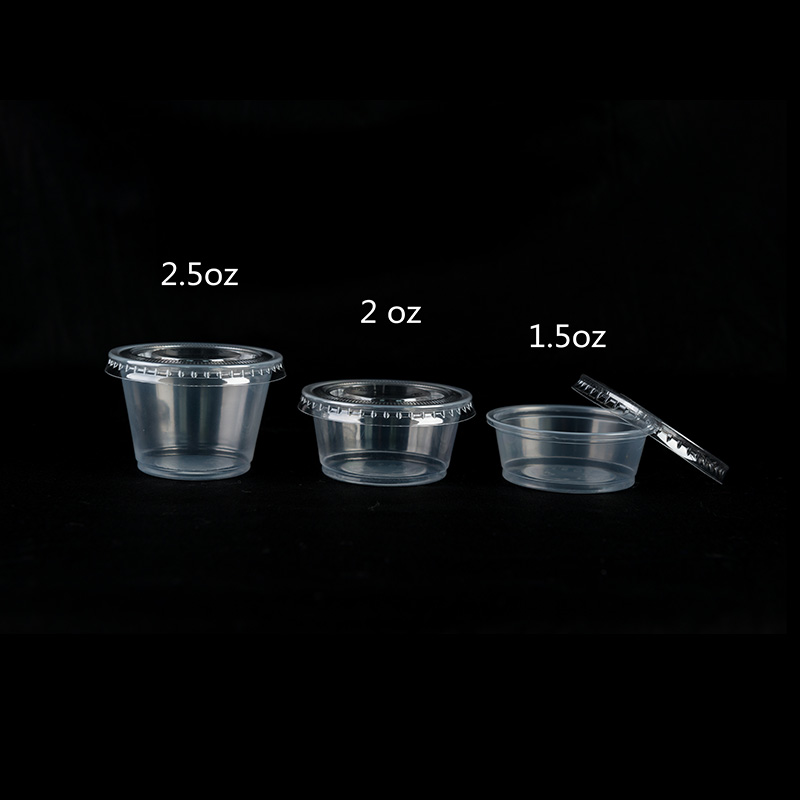
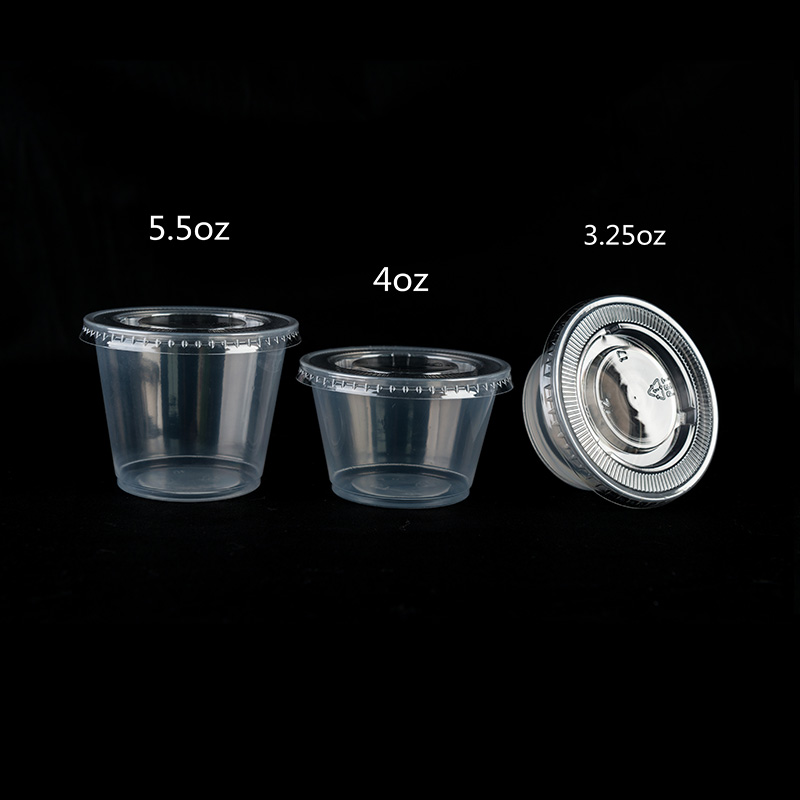
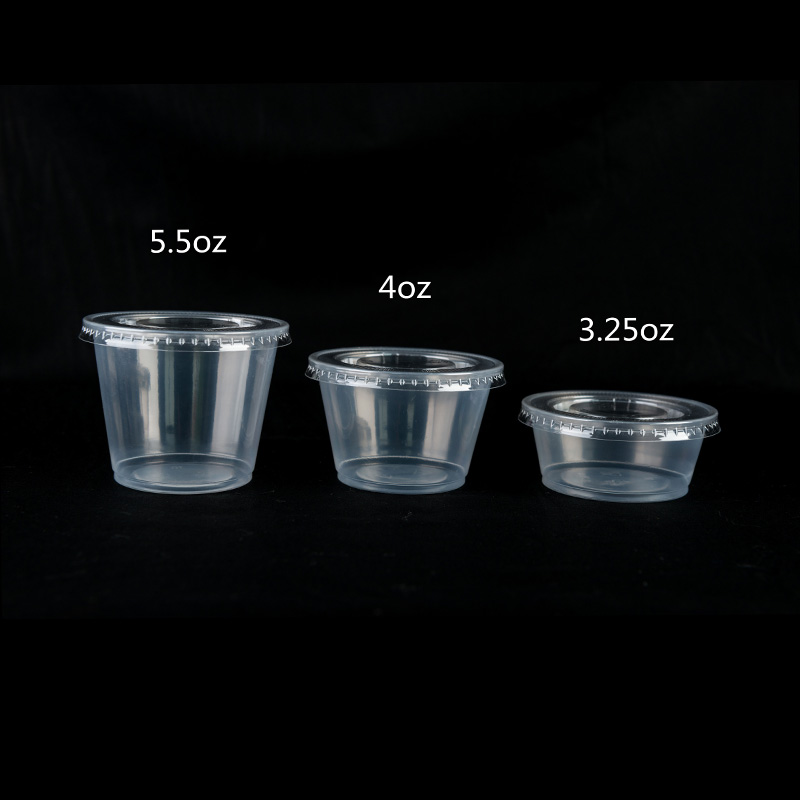
The portion cup with lid comes in several capacity ranges, usually measured in ounces. Smaller sizes suit individual condiment servings, while slightly larger ones work for sample portions or side dishes. Clear designs dominate because visibility helps kitchen staff and servers confirm contents quickly.
Design Features That Support Handling
Several design elements influence how well a portion cup with lid performs in real kitchens. A secure lid fit reduces the chance of accidental opening when cups are stacked or moved on trays. Smooth interior walls make it easier to empty the contents completely. Stackable cup shapes save storage space both before and after filling.
Some versions include embossed measurement marks on the side. These marks help staff portion accurately without separate measuring tools. Others feature a slightly flared rim that improves grip when gloves are worn. Factories adjust these details based on feedback from commercial users who need reliable performance under high-volume conditions.
The portion cup with lid also works well for cold and room-temperature items. While not designed for long-term freezing or high-heat applications in every case, many versions handle standard refrigeration temperatures without cracking or losing clarity.
Considerations When Selecting Products
Buyers evaluating a portion cup with lid often look at capacity consistency across a batch, lid fit reliability, and how the cups stack when empty or full. Clarity of the material affects how easily staff identify contents during rushed service. The overall weight and thickness influence both durability during handling and the feel of the finished package.
Factories that produce these items typically run high-volume molding lines that maintain uniform wall thickness and lid dimensions. Consistent sizing allows operators to standardize their portioning processes and reduce waste from over- or under-filling. Compatibility with existing storage systems and tray layouts also matters for kitchens that already have established workflows.
Availability of multiple sizes in the same style lets operators match the cup to different menu items without changing suppliers or storage methods. A single portion cup with lid style used across sauces, dips, and sides simplifies inventory and staff training.