

 English
 عربى

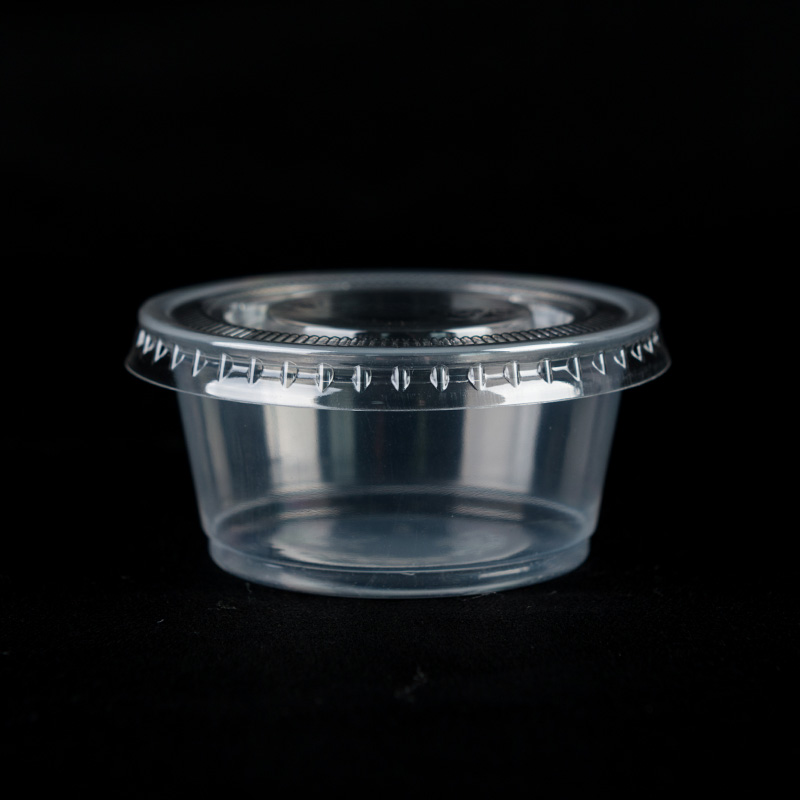
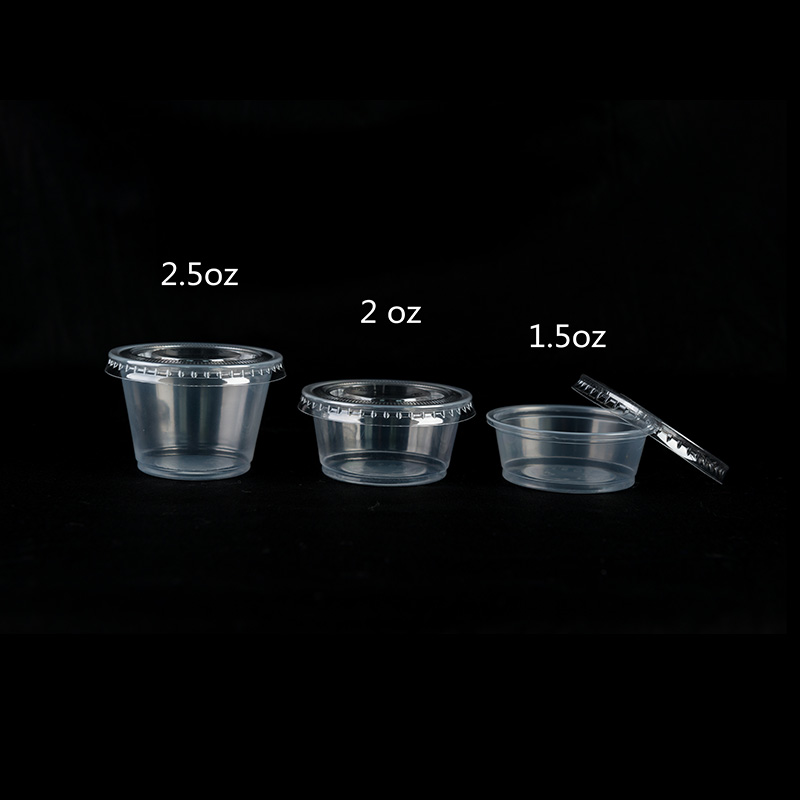
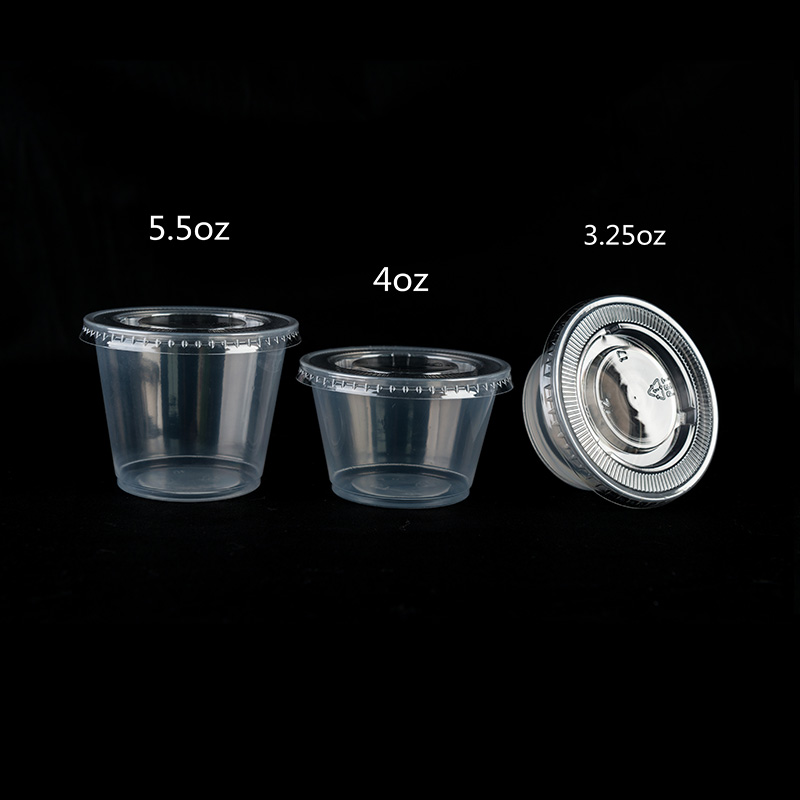
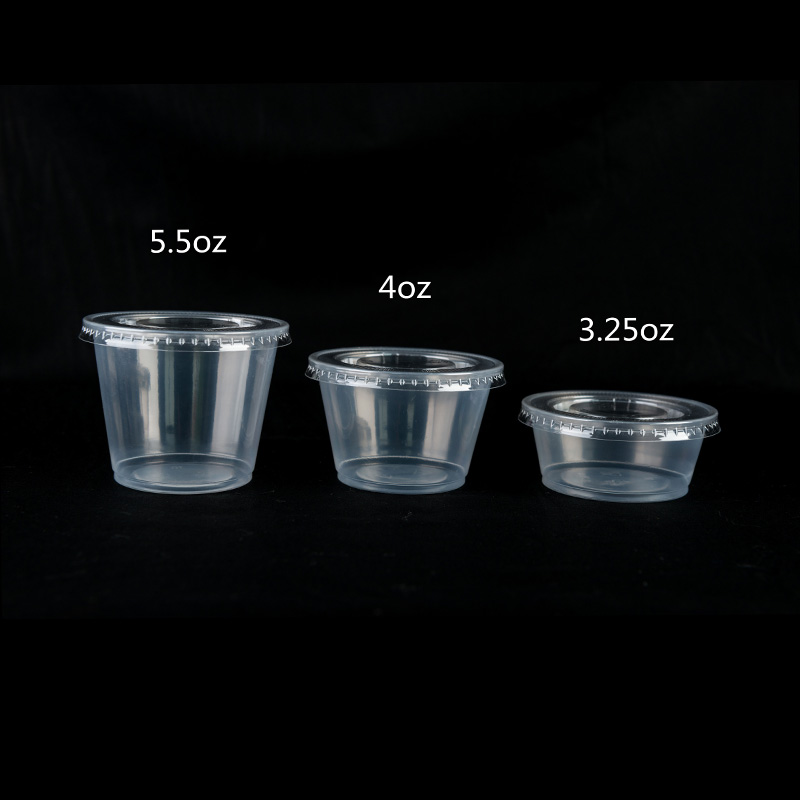
From food ingredients and personal care products to household supplies and industrial components, containers are part of everyday commercial packaging. Different products require different storage capacities, shapes, opening structures, and material characteristics. This variety makes the Plastic container an important product category for manufacturers, importers, packaging distributors, and private-label brands.
Material Selection Defines Product Characteristics
Plastic packaging manufacturers work with different resin materials according to the intended application and container design. Polypropylene (PP), polyethylene (PE), and polyethylene terephthalate (PET) are common options, each offering different characteristics.
PP is frequently used for food containers, storage boxes, and packaging that requires a relatively rigid structure. Its processing flexibility allows manufacturers to produce containers in different shapes and dimensions.
PE is commonly associated with bottles, tubs, and flexible packaging structures. Its characteristics make it suitable for applications where impact resistance and flexibility are relevant considerations.
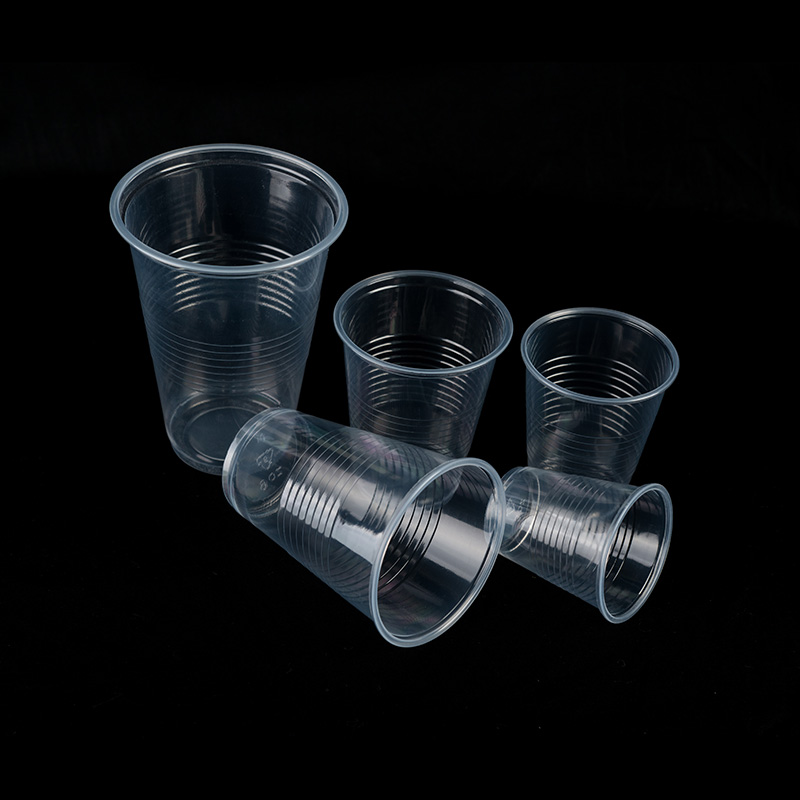
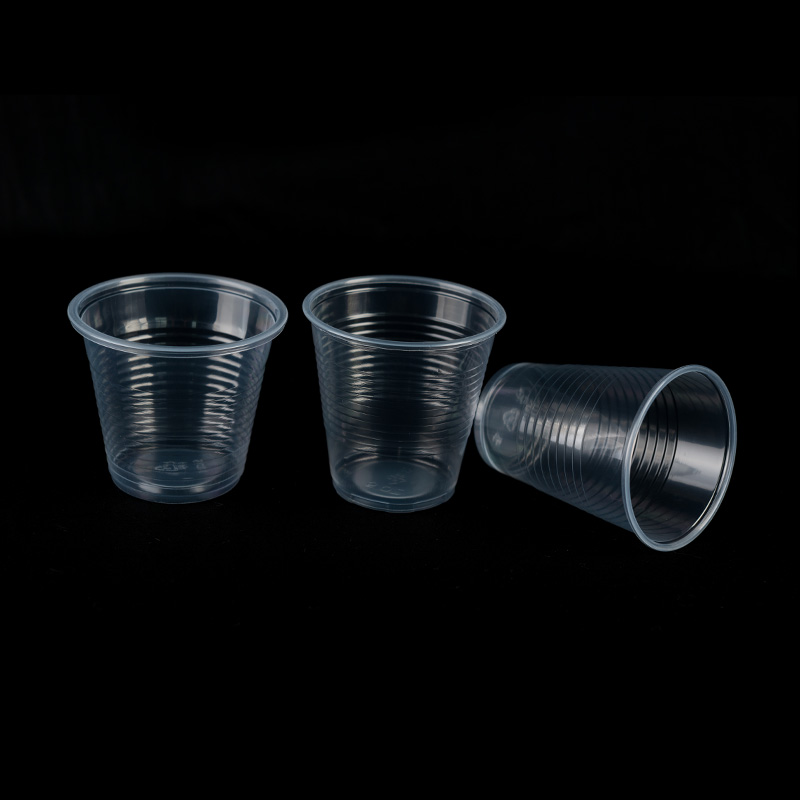
PET is often selected for transparent packaging. Its clear appearance makes it useful for products that benefit from visibility, including food ingredients, snacks, cosmetics, and personal care items.
Material selection should reflect the product's intended use, filling requirements, appearance, and storage conditions. Buyers discussing a Plastic container with suppliers can begin by identifying the material characteristics required for their particular product category.
Design Details That Influence Daily Applications
Container design involves more than choosing a basic shape. The opening, base, sidewall, and lid structure all contribute to how the product is used in commercial settings.
For example, wide-mouth containers can make filling and removing contents more convenient. Narrow openings may be suitable for liquid products that require controlled dispensing. A flat base helps containers stand steadily, while stackable structures can make storage and warehouse organization easier.
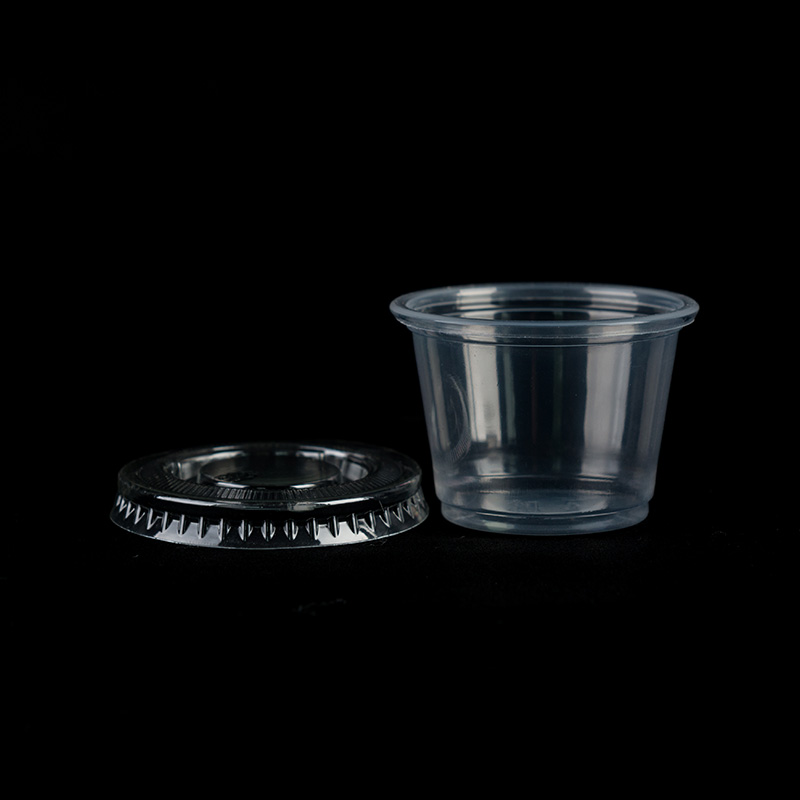
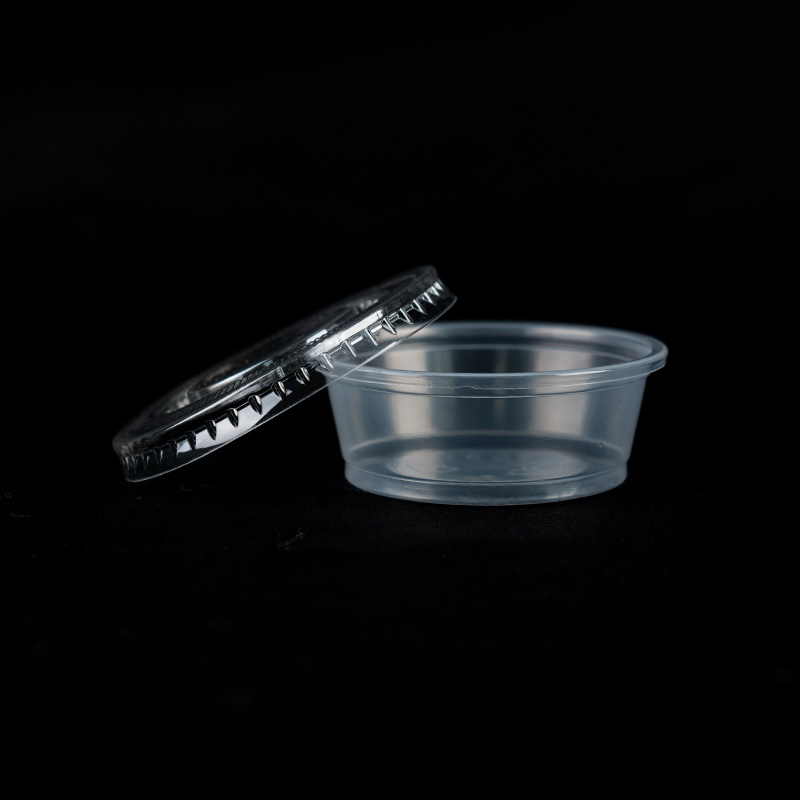
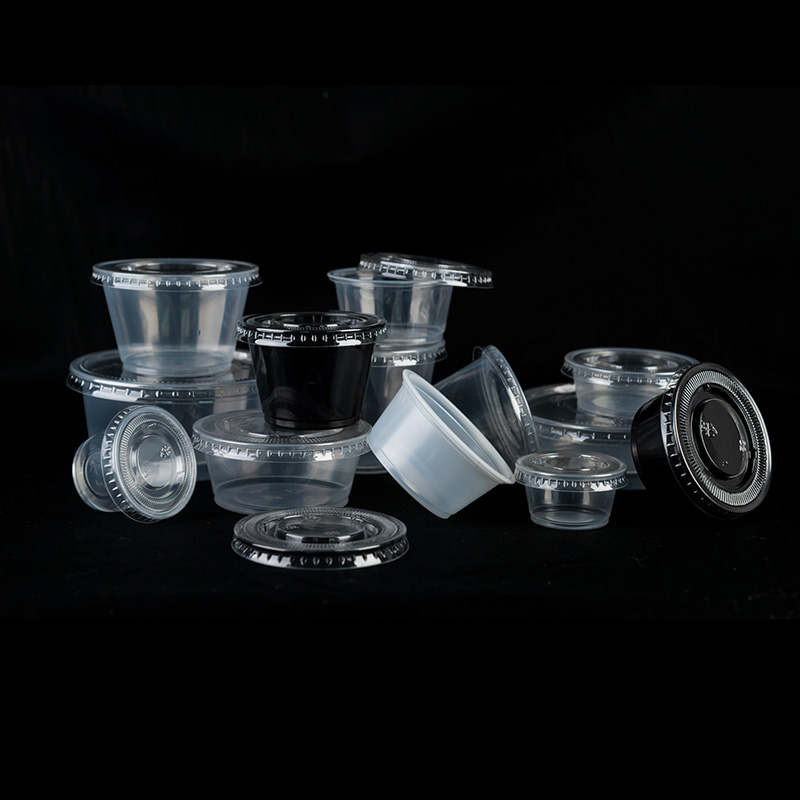
A Plastic container may also include different closure options, such as snap-on lids, screw caps, or hinged covers. The appropriate design depends on the product contents and the intended packaging process.
Manufacturers can also adjust wall thickness, surface texture, transparency, and color to meet different product presentation requirements. These details allow packaging brands to develop product ranges with consistent visual characteristics.
What B2B Buyers Should Discuss with Manufacturers
When sourcing packaging products, buyers need to translate their application requirements into clear product specifications. Providing detailed information at the beginning can make communication with manufacturers more efficient.
Important discussion points include:
- Container Capacity: Define the required volume according to the packaged product.
- Material Type: Select PP, PE, PET, or another available material based on the application.
- Dimensions and Shape: Confirm height, diameter, width, and overall structural design.
- Closure Design: Specify compatible lids, caps, or other opening structures.
- Appearance: Discuss transparent, translucent, or solid-color options.
- Customization: Ask about logo printing, color matching, custom molds, and packaging configurations.
For importers and private-label brands, customization is also an important part of product development. Manufacturers with flexible molding capabilities may support different container designs within the same product category.
Conclusion
Plastic packaging serves a broad range of commercial applications, and container design plays an important role in matching packaging to product requirements. Material selection, molding methods, structural details, and customization options all contribute to the final product. For overseas buyers, understanding these factors makes it easier to discuss specifications with manufacturers and source a Plastic container suitable for their distribution channels and target industries.